
 08/05/2026
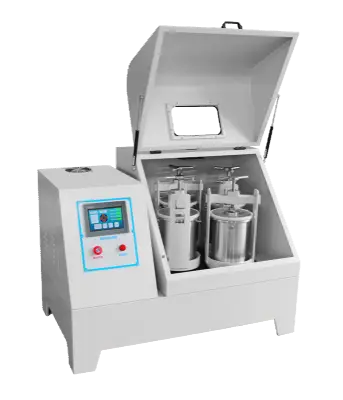
Planetary Ball Milling Technology: Working Principle, Types and Applications
Learn how planetary ball milling works, compare major mill types, select grinding jars and media, and optimize operating parameters for different materials.
 08/05/2026
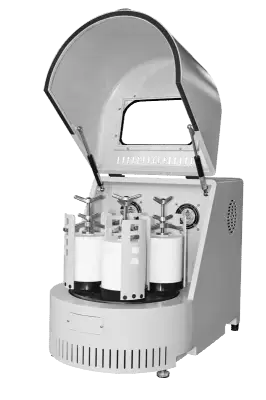
Planetary Ball Mill Manufacturers: 10 Key Factors for Comparing Brands
Compare planetary ball mill manufacturers by grinding performance, speed, jar materials, cooling, safety, controls, maintenance and total operating cost.
 08/05/2026
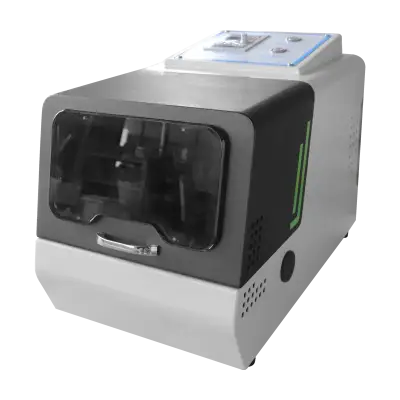
Laboratory Ball Mill Guide: Applications, Grinding Jar Materials and Selection Tips
Learn how to select a laboratory ball mill, grinding jar material, jar volume and grinding mode for different samples, applications and contamination limits.
 08/05/2026
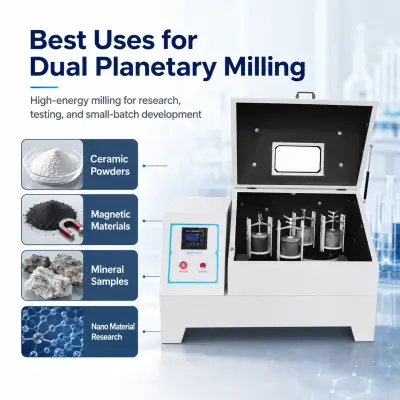
Why Planetary Ball Mills Use Grinding Aids: Benefits, Mechanisms and Selection
Learn why planetary ball mills use grinding aids to reduce agglomeration, control cold welding, improve powder flow and increase milling efficiency.
 08/05/2026
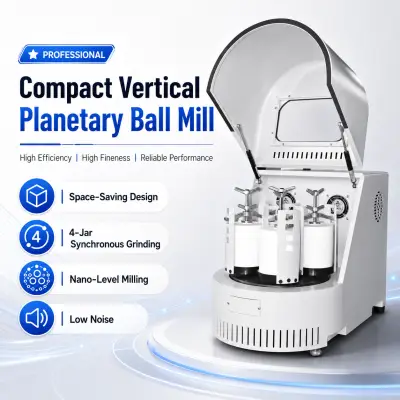
Planetary Ball Mill Guide: Working Principle, Applications and Grinding Media Selection
Learn how planetary ball mills work, compare major mill types, and select suitable grinding jars, balls, speed ratios, and operating parameters.
 08/06/2026
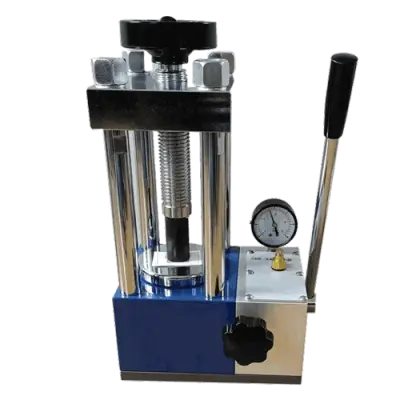
Manual Tablet Press: A Practical Guide for Laboratory Sample Preparation and Powder Compaction
This guide covers the working principle, key specifications, material compatibility, and selection criteria of manual tablet presses for laboratory use. Learn how to choose the right manual tablet press for your powder compaction needs, from pressure capacity to die options, and understand how it compares to automatic electric tablet presses.
 08/03/2026
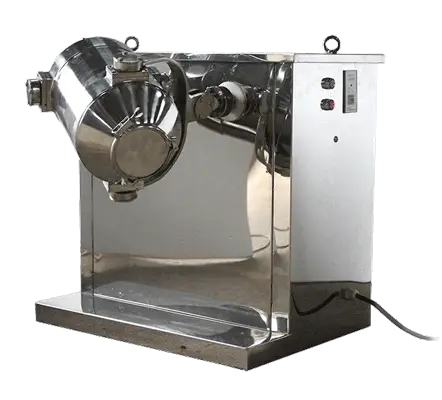
3D Mixer for Laboratory Powder Blending: How It Works and When to Use It
Discover how a 3D mixer achieves uniform powder blending through multi-directional motion. Learn about its working principle, key applications in battery materials, ceramics, and pharmaceuticals, and how to select the right capacity for your lab. A practical guide for researchers and procurement managers.
 08/06/2026
Acrylic Glove Box: A Complete Guide for Laboratory Applications
This comprehensive guide explores the acrylic glove box, a transparent benchtop enclosure for handling moisture-sensitive, air-sensitive, or hazardous powders. Learn about its construction, key features, typical applications in materials science and battery research, how to choose the right size and port configuration, and maintenance tips. Whether you work with lithium battery materials, nanomaterials, or ceramic powders, this article helps you decide if an acrylic glove box fits your lab needs.
 08/06/2026
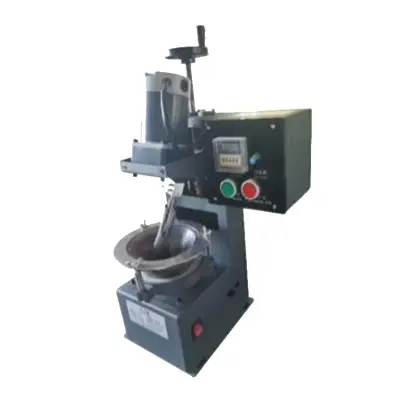
Agate Grinder: A Reliable Laboratory Tool for Contamination-Free Fine Grinding
Learn how an agate grinder works, its advantages for contamination-free laboratory grinding, and how to select the right model for your material. This guide covers the working principle, key applications, and practical tips for choosing agate grinding equipment.
 08/06/2026
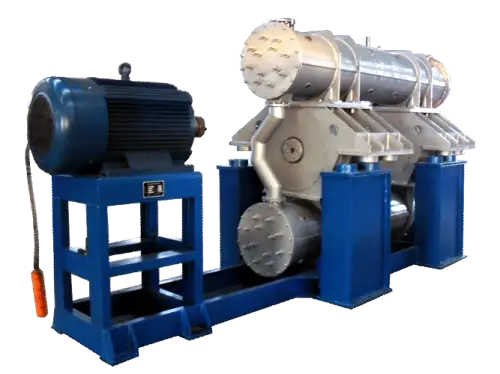
How a Heavy Duty Vibrating Ball Mill Works and How to Select One for Laboratory Use
A comprehensive guide to heavy duty vibrating ball mills, covering their working principle, key applications, and selection criteria for labs and research facilities. Learn how high-frequency vibration achieves ultrafine grinding and what factors matter when choosing a mill.
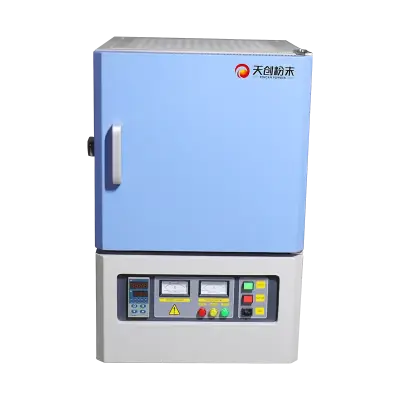
Complete Guide to Muffle Furnaces: 30 Key Questions and Answers About Essential High-Temperature Laboratory Equipment
Learn how to use a muffle furnace safely with 30 practical Q&As on temperature control, sample handling, maintenance, troubleshooting, and applications.
 08/05/2026
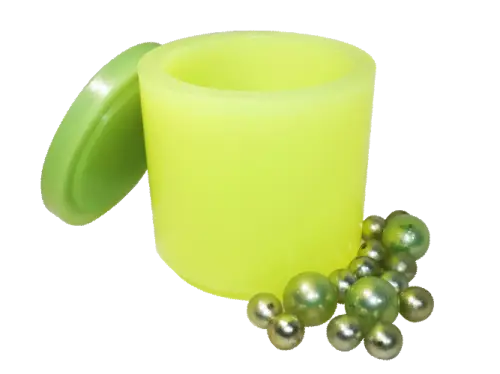
Polyurethane (PU) Planetary Mill Jars: A Practical Choice for Abrasion-Resistant, Low-Contamination Grinding
Discover the advantages of polyurethane planetary mill jars for laboratory ball milling. Learn about their wear resistance, low contamination, ideal applications, and how to select the right PU jar for your powder processing needs.
 08/05/2026
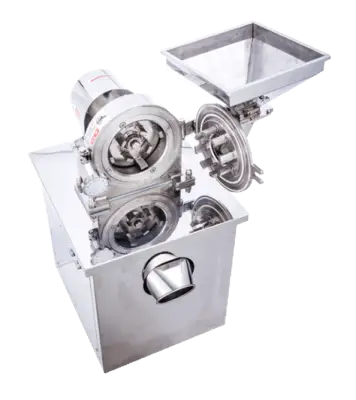
Multi Functional Crusher: A Versatile Solution for Laboratory Sample Preparation
Discover the multi functional crusher for laboratory sample preparation — a versatile machine designed to handle diverse materials including coal, ore, chemical, and pharmaceutical samples. Learn about its working principle, key features, and how to choose the right crusher for your lab.
 08/04/2026
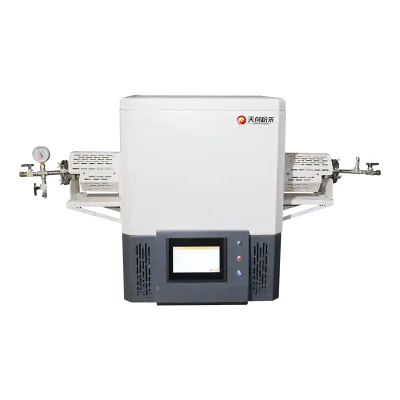
How to Select and Use a Vacuum Tube Furnace for Laboratory Heat Treatment
A vacuum tube furnace is essential for high-temperature processing under controlled atmospheres. This guide explains its working principle, key components, material selection, and practical tips for choosing the right furnace for your lab.
 08/04/2026
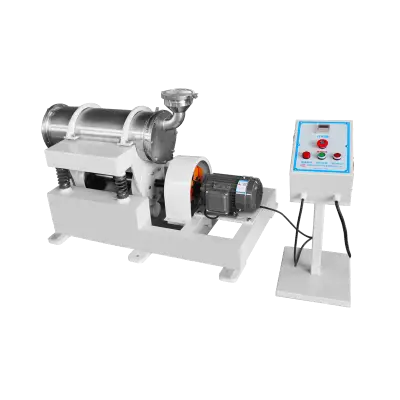
Lightweight Vibrating Ball Mill: A Practical Guide for Laboratory Fine Grinding
Discover how a lightweight vibrating ball mill can simplify your laboratory grinding tasks. This guide covers working principles, material compatibility, and key selection factors for efficient fine powder processing in research and development.
 08/04/2026
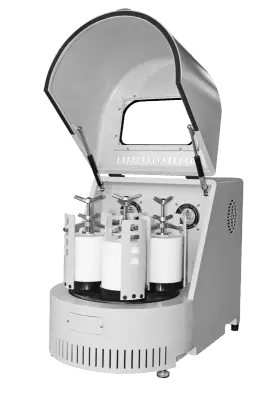
Semi-Circular Vertical Planetary Ball Mill: Design Advantages and Practical Selection Tips
Discover the semi-circular planetary ball mill, a compact and efficient lab mill for fine grinding. Learn how it works, its unique design benefits, key applications, and essential factors for selecting the right model for your powder processing needs.
 08/04/2026
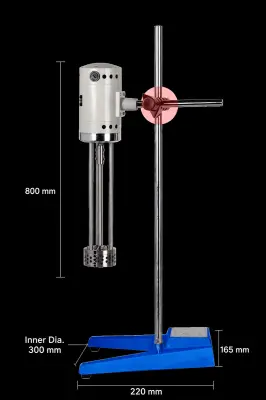
Lab Shear Emulsifier: High-Shear Mixing for Emulsions, Dispersions, and Homogenization
Discover how a lab shear emulsifier works, its key applications in cosmetics, pharmaceuticals, chemicals, and food processing, and what to consider when selecting the right model for your R&D or small-batch production. Technical insights from an experienced powder equipment engineer.
 08/04/2026
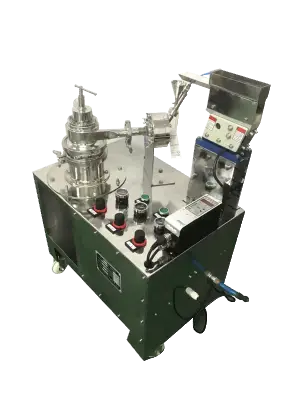
Lab Air Jet Mill: A Complete Guide to Laboratory Jet Milling for Ultrafine Powder Processing
Learn how a lab air jet mill works, its key advantages for ultrafine powder processing, and how to select the right equipment for your laboratory. This guide covers the working principle, applications, operational tips, and comparison with other milling methods for materials such as pharmaceuticals, ceramics, battery materials, and advanced chemicals.