
 08/25/2026
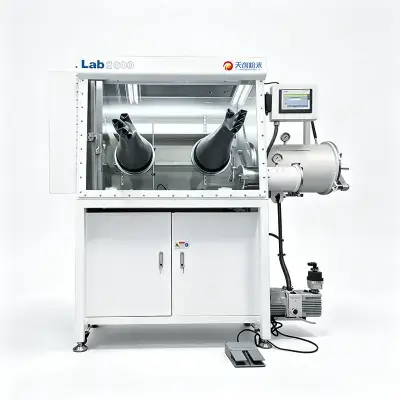
Glove Box with Purification System: Technical Guide & Selection
Learn how a glove box with purification system controls O2 and H2O, review TENCAN GBP specifications, applications, antechamber operation, regeneration, troubleshooting and selection.
 08/24/2026
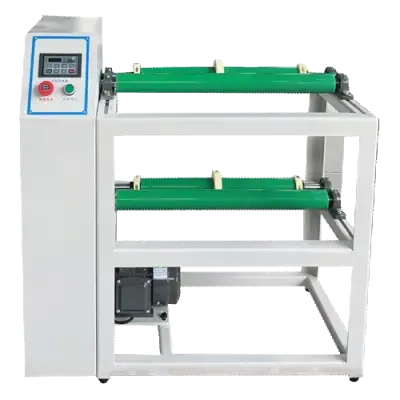
Four-Station Jar Mill: High-Throughput Laboratory Grinding Guide
Learn how a four-station jar mill improves laboratory grinding throughput, compare GQM-4-5, GQM-4-15 and GQM-4-20, and select jars, media, speed and batch size.
 08/25/2026
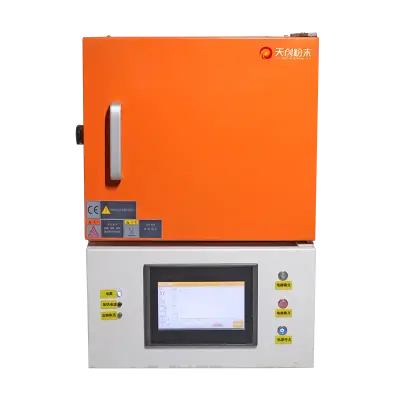
T-Crystal Dental Furnace: Precision Sintering for Dental Zirconia and Laboratory Applications
Discover the T-Crystal Dental Furnace, a reliable box-type sintering furnace designed for dental laboratories and small-batch sintering experiments. Learn about its features, technical parameters, and how it ensures consistent results for zirconia and other ceramic materials. Ideal for dental restorations like crowns and bridges.
 08/26/2026
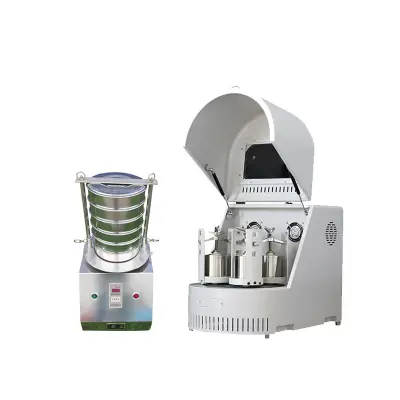
How a Soil Grinder and Sieve Machine Simplifies Soil Sample Preparation for Laboratories
Discover how a soil grinder and sieve machine streamlines soil sample preparation for laboratories. This guide covers working principles, key benefits, selection tips, and why integrated grinding and sieving improves efficiency and accuracy in soil analysis.
 08/26/2026
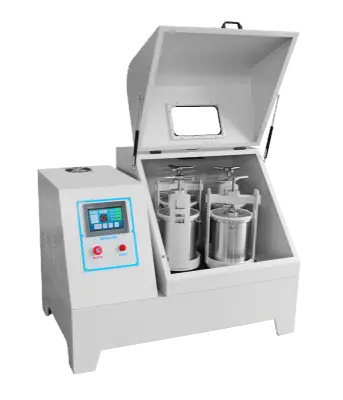
Micro-computerized Touch Screen Planetary Ball Mill: Precision, Control, and Efficiency for Laboratory Grinding
Explore the advanced features of the Micro-computerized Touch Screen Planetary Ball Mill. Learn how its programmable touch screen control, high-energy planetary motion, and versatile grinding options enable precise particle size reduction for materials research, nano-dispersion, and mechanical alloying in laboratory settings.
 08/26/2026
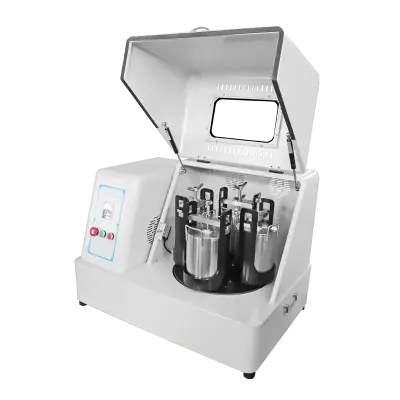
Vertical Square Planetary Ball Mill: A Complete Guide for Laboratory Grinding and Material Processing
A detailed overview of the vertical square planetary ball mill, its working principle, key features, applications, and selection tips for researchers and laboratory professionals seeking efficient powder processing solutions.
 08/26/2026
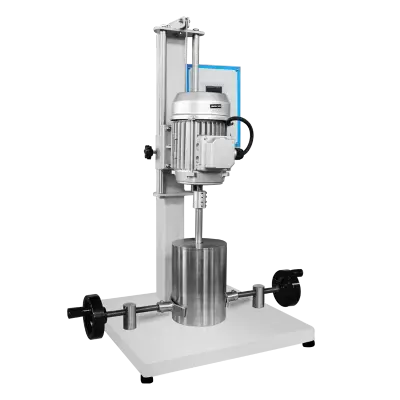
What Is a Laboratory Sand Grinder? A Practical Guide for Wet Grinding and Dispersion
A laboratory sand grinder is a versatile wet milling machine for fine grinding and dispersing of slurries, paints, inks, and other viscous materials. This guide explains its working principle, applications, and how to choose the right model for your lab.
 08/26/2026
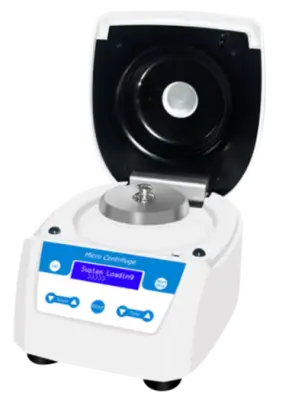
Mini High-Speed Centrifuge: Compact Power for Rapid Sample Separation in the Laboratory
This article explores the mini high-speed centrifuge, a compact laboratory device designed for rapid separation of micro-volume samples. It covers working principles, key features, typical applications, and practical selection guidance to help researchers and lab managers choose the right equipment for their workflows.
 08/25/2026
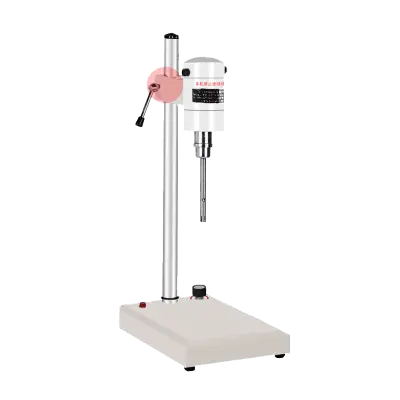
High Speed Dispersing Homogenizer: Working Principle, Applications, and Selection Guide
A comprehensive guide to high speed dispersing homogenizers for laboratory and industrial use. Learn how they work, their key applications in powder dispersion, emulsification, and mixing, and how to select the right model for your materials.
08/25/2026
Soil Grinder and Sieve Machine: Essential Equipment for Efficient Soil Sample Preparation
Discover how a soil grinder and sieve machine simplifies soil sample preparation for laboratories. Learn about its working principle, key features, selection criteria, and why it is a must-have for environmental, agricultural, and geotechnical testing.
 08/25/2026
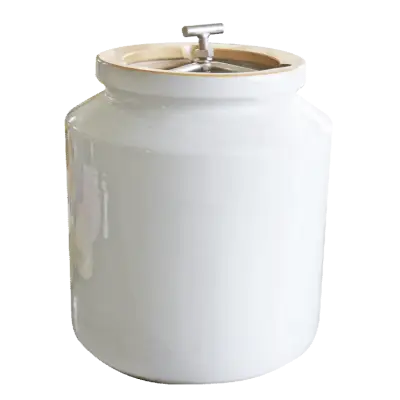
Ceramic Roll Mill Jar: A Reliable Choice for Contamination-Sensitive Grinding
Learn about ceramic roll mill jars for roller ball mills. Discover their advantages, material options, and how to select the right one for your lab. Ideal for ceramic, mineral, and battery material grinding.
 08/21/2026
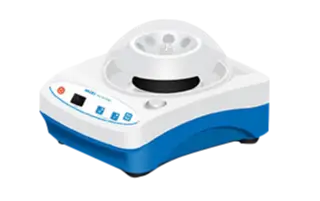
Mini Centrifuge for Laboratory Use: Functions, Applications, and Selection Guide
Mini centrifuges are compact lab devices essential for quick spin-downs, PCR prep, and microtube processing. This guide explains how they work, their typical applications, and key factors to consider when choosing a mini centrifuge for your laboratory.
08/24/2026
Ceramic Roll Mill Jar: A Comprehensive Guide for Laboratory Powder Processing
Explore the features, material options, and selection criteria of ceramic roll mill jars for roller ball mills. This guide helps laboratory researchers and engineers choose the right jar for contamination-free wet or dry grinding of ceramics, minerals, and advanced materials.
 08/24/2026
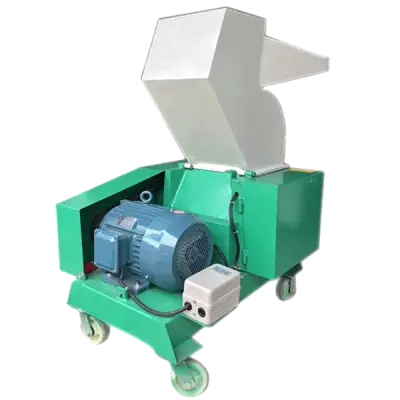
Plastic Crusher: A Complete Guide to Crushing, Recycling, and Selecting the Right Machine
Learn how plastic crushers work, their key applications in recycling and manufacturing, and how to choose the right plastic crushing machine for your materials like PVC, PP, PE, and ABS. Expert tips on blade selection, safety, and maintenance.
 08/24/2026
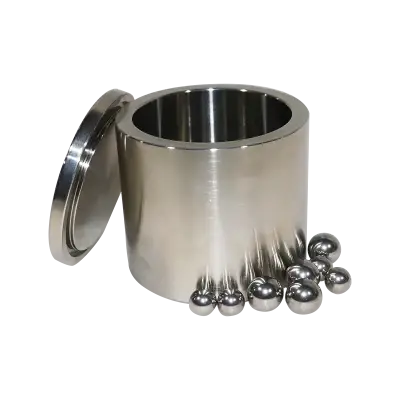
304 Stainless Steel Planetary Mill Jar: Selection, Use, and Best Practices for Laboratory Grinding
Learn how to select and use a 304 stainless steel planetary mill jar for your lab. This guide covers material properties, contamination control, vacuum options, matching grinding media, and practical tips for achieving reliable grinding results.
 08/21/2026
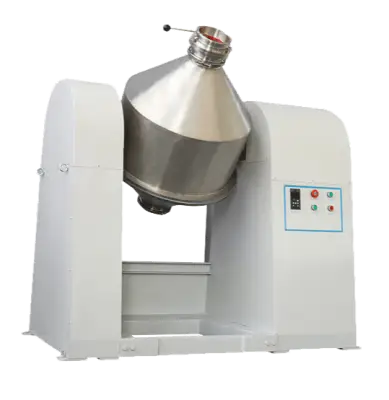
Double Cone Mixer: Working Principle, Applications, and Selection Guide for Laboratory and Industrial Powder Blending
This article provides a comprehensive overview of the double cone mixer, covering its working principle, key applications in powder blending, and practical selection criteria for laboratory and industrial use. Learn how this gentle mixing equipment achieves high uniformity without damaging particle integrity, and what factors to consider when choosing the right model for your materials.
 08/21/2026
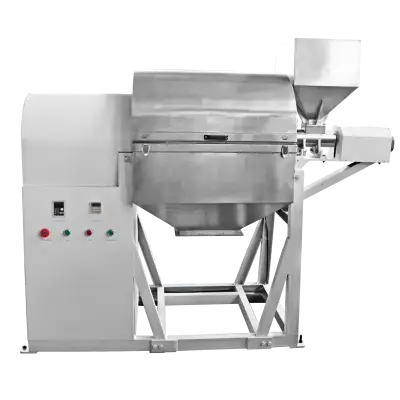
Screening Ball Mill: Combining Grinding and Particle Classification in One Unit
Discover how a screening ball mill integrates grinding and particle classification into a single, efficient laboratory process. Learn about its working principle, key parameters, and application areas for materials like minerals, ceramics, and battery powders.
 08/21/2026
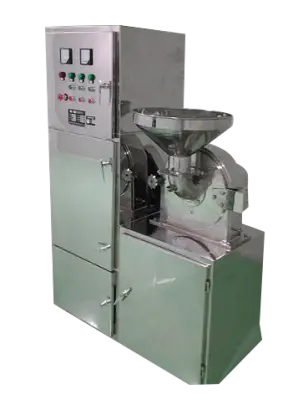
Stainless Steel Dust-Free Crusher: Clean, Efficient, and Reliable Crushing for Laboratory and Production
Discover the stainless steel dust-free crusher designed for clean, efficient crushing of herbs, grains, chemicals, and more. Ideal for laboratory and small-scale production, it features a dust-tight design, easy cleaning, and adjustable fineness.