
Complete Guide to Muffle Furnaces: 30 Key Questions and Answers About Essential High-Temperature Laboratory Equipment
Complete Guide to Muffle Furnaces: 30 Key Questions and Answers About Essential High-Temperature Laboratory Equipment
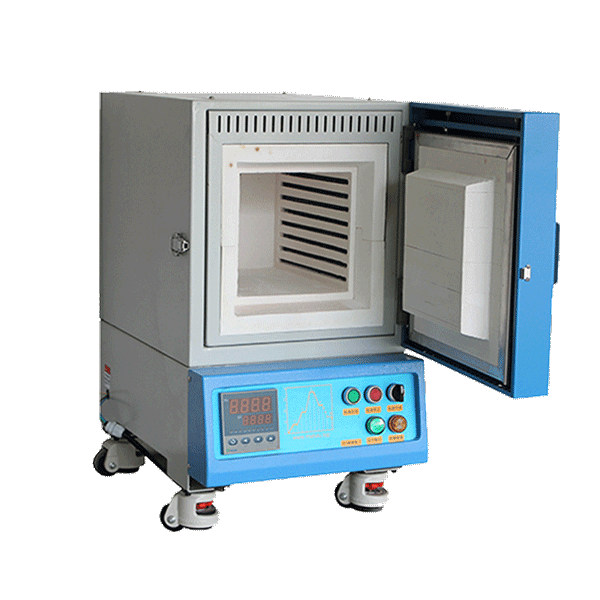
Basic Knowledge
1. Q: What exactly is a muffle furnace, and how is it different from an ordinary oven?
A: A muffle furnace is a general-purpose box-type resistance furnace. It is heated by electrical heating elements, such as silicon carbide rods or molybdenum disilicide elements, and uses thermal radiation and convection inside the chamber to create an enclosed, uniform, and controllable high-temperature environment.
The main differences between a muffle furnace and an ordinary oven are the operating temperature, temperature-control accuracy, and chamber material. A muffle furnace can generally reach temperatures above 1200°C, while an ordinary oven usually operates below 300°C. Muffle furnaces also use special refractory materials that can withstand extremely high temperatures and chemical corrosion.
2. Q: What is the basic working principle of a muffle furnace?
A: Its working principle is based on electrical-to-thermal energy conversion and heat radiation. Electric current passes through the built-in heating elements and generates Joule heat, causing the elements to become red hot.
Thermal radiation from the high-temperature elements and thermal convection from the heated air work together to heat the furnace chamber and the samples placed inside it. A thermocouple continuously measures the chamber temperature and sends the signal to the temperature controller. The controller adjusts the power supplied to the heating elements by switching the current on and off, thereby maintaining the set temperature accurately and steadily.
3. Q: What are the common types of muffle furnaces?
A: Muffle furnaces are mainly classified according to their maximum operating temperature and heating-element type:
- Standard box furnaces, generally operating below approximately 1100°C and commonly using resistance wire.
- High-temperature furnaces operating from approximately 1200°C to 1700°C and commonly using silicon carbide or molybdenum disilicide heating elements.
- Ultra-high-temperature furnaces operating above 1800°C and using special heating elements.
Other configurations include open and sealed designs, atmosphere-controlled furnaces, and programmable temperature-control models.
Applications
4. Q: What processes are muffle furnaces most commonly used for in materials science?
A: Common applications include:
- Calcination: Decomposing precursor materials to obtain oxides.
- Annealing: Relieving internal stress and promoting grain growth.
- Sintering: Densifying powder materials.
- Synthesis reactions: Preparing new compounds through solid-state reactions.
- Heat treatment: Changing the microstructure and properties of materials.
5. Q: What standard applications does a muffle furnace have in environmental testing?
A: Its most important standard application is ash-content determination. A sample is heated at a specified high temperature until it reaches constant weight. For example, soil organic matter may be tested at approximately 550°C, while coal ash may be tested at approximately 815°C.
The inorganic material remaining after combustion is defined as the ash content. It is an important indicator used to evaluate the composition of soils, fuels, waste, and other materials.
6. Q: Can a muffle furnace be used to process biological samples?
A: Yes. It is mainly used to ash biological samples so that inorganic elements such as calcium, phosphorus, and heavy metals can be analyzed.
Organic matter can produce a large amount of smoke during combustion. The temperature must therefore be increased slowly using a programmed heating process, and adequate ventilation must be provided. A dedicated ashing furnace equipped with an exhaust chimney may also be used.
7. Q: Can a muffle furnace be used to melt metals?
A: Generally, it should not be used for metal melting. Although the maximum temperature of some muffle furnaces, such as 1700°C models, may be high enough to melt low-melting-point metals such as aluminum and copper, the chamber materials and heating elements are not designed for contact with molten metal.
Molten metal can severely corrode the furnace chamber and may cause serious safety accidents. A dedicated metal melting furnace should be used for this purpose.
Safe Operating Procedures
8. Q: What are the most important safety checks before using a muffle furnace?
A: The following checks should be completed:
- Check that the power connections are secure and that the furnace is properly grounded.
- Confirm that the chamber is clean and contains no residues from previous experiments, spilled chemicals, or combustible materials.
- Check that the furnace-door seal and hinges are in good condition and that the door closes tightly.
9. Q: What must never be placed inside the furnace chamber?
A: The following practices are strictly prohibited:
- Never place a completely sealed container inside the chamber, because internal pressure may cause it to explode when heated.
- Never directly heat flammable, explosive, or highly volatile materials. Organic solvents, nitrates, perchlorates, and similar substances require special handling.
- Never place a wet sample directly into a high-temperature chamber. The sample should first be dried or heated gradually from a low starting temperature.
10. Q: How should samples be positioned correctly?
A: Samples should be placed inside high-temperature-resistant crucibles or boats made from materials such as alumina, corundum ceramic, or quartz.
The container should then be positioned securely within the uniform-temperature zone, which is generally located near the center of the chamber. Samples should not be piled too high and should remain a safe distance from the heating elements, normally at least 50 mm.
Sufficient space should also be left around the sample to allow hot air to circulate freely.
11. Q: Can the furnace door be opened to observe the sample during heating?
A: This is strongly discouraged. Suddenly opening the furnace door can cause:
- A rapid temperature fluctuation that affects experimental accuracy and may cause the sample to crack.
- An inflow of cold air that may thermally shock and break the heating elements, particularly silicon carbide rods.
- A sudden release of high-temperature air that may burn the operator.
If observation is absolutely necessary, it should be performed at a lower temperature or through an observation window, if the furnace is equipped with one.
12. Q: Can the sample be removed immediately after the heating program ends?
A: Absolutely not. The furnace must be allowed to cool naturally to a safe temperature before the door is opened. It is generally recommended to wait until the chamber temperature falls below 200°C.
Removing samples at high temperature is extremely dangerous. Rapid cooling may also cause the sample or its container to crack or explode. A programmable controller may be used to manage the cooling process automatically.
Temperature Control and Program Settings
13. Q: What is the function of a thermocouple, and does it need protection?
A: A thermocouple is the temperature-sensing component of the furnace. It converts the measured temperature into an electrical signal and transmits that signal to the temperature controller.
The measuring end of the thermocouple should be physically isolated from the chamber atmosphere and samples by a protective sheath, normally made from metal or ceramic. The sheath prevents chemical corrosion, contamination, and mechanical damage.
Without proper protection, the thermocouple may become damaged or produce seriously inaccurate temperature readings.
14. Q: What is programmable temperature control, and why is it better than manual control?
A: Programmable temperature control allows the user to preset a complete temperature curve containing multiple heating rates, target temperatures, holding times, and cooling rates.
Its main advantages include:
- Automation: The process can run without continuous operator supervision.
- Excellent repeatability: It is particularly suitable for processes that require a complex thermal history, such as polymer ashing and ceramic sintering.
- Protection of samples and equipment: Controlled heating and cooling rates help prevent thermal shock.
15. Q: How should I select an appropriate heating rate for my experiment?
A: The heating rate should be selected by considering the following factors:
- Sample characteristics: Samples containing volatile components or materials that decompose easily, such as biological samples and certain precursors, must be heated slowly, for example at 2–5°C per minute.
- Sample quantity and container: Large sample quantities or thick-walled containers transfer heat more slowly and therefore require a lower heating rate.
- Process objective: Processes such as sintering require slow heating during the initial binder-removal stage.
When there are no special process requirements, a heating rate of approximately 5–10°C per minute is commonly used.
16. Q: How should the holding time be determined? Is a longer holding time always better?
A: A longer holding time is not always better. The appropriate holding time depends on:
- The time required for the reaction or transformation to be completed.
- The thickness and heat-transfer characteristics of the sample, ensuring that its center reaches the target temperature.
If the holding time is too short, the reaction may remain incomplete. If it is too long, excessive grain growth, higher energy consumption, or over-firing of the sample may occur.
The optimum holding time should be determined through preliminary experiments or relevant technical literature.
Sample Handling and Process Optimization
17. Q: Why does my sample crack, burst, or splash during heating?
A: This is normally caused by the rapid vaporization of moisture inside or attached to the sample. When the generated vapor cannot escape, internal pressure builds up and causes the sample to crack or splash.
Recommended measures include:
- Samples containing moisture or crystallization water should first be dried at a lower temperature, such as 105°C.
- For samples that may release gases during decomposition, significantly reduce the heating rate and do not cover the crucible.
18. Q: How should samples that release corrosive gases, such as chlorine- or sulfur-containing compounds, be handled?
A: Protective measures must be taken:
- Operate the furnace inside a well-ventilated fume hood or use a furnace equipped with a forced exhaust system.
- An alkaline absorbent, such as quicklime, may be placed inside the chamber when appropriate.
- Clean the chamber as soon as possible after the experiment to prevent condensed corrosive gases from damaging the furnace lining and heating elements.
19. Q: How can reactions between the sample and crucible be reduced at high temperatures?
A: Select a chemically inert crucible material according to the properties of the sample:
- Alumina crucibles: General-purpose crucibles with good resistance to acids and alkalis.
- Quartz crucibles: Suitable for acidic environments, but they may soften at temperatures above approximately 1100°C.
- Platinum crucibles: Highly chemically inert but expensive. They should not be used for samples containing phosphorus, sulfur, or heavy metals.
20. Q: How can I determine whether a sample has reached constant weight?
A: Reaching constant weight is the endpoint of experiments such as ash-content determination.
Heat the sample at the specified temperature for a certain period. Remove it from the furnace, cool it to room temperature inside a desiccator, and then weigh it.
Return the sample to the furnace and repeat the heating, cooling, and weighing process. When the difference between two consecutive measurements does not exceed the specified limit, such as 0.3 mg, the sample is considered to have reached constant weight.
Routine Maintenance
21. Q: What is the correct method for cleaning the furnace chamber?
A: Wait until the furnace has cooled completely. Carefully remove powder and debris from the chamber using a soft brush or vacuum cleaner.
Minor stains may be wiped with a slightly damp, soft cloth. The chamber should then be heated at a low temperature, such as 200°C, to evaporate all remaining moisture.
Never scrape the chamber with hard objects, apply chemicals directly, or wash it with water.
22. Q: What should be done if the resistance of a heating element, such as a silicon carbide rod, increases?
A: The electrical resistance of silicon carbide rods and similar heating elements gradually increases because of oxidation during use. This process is known as aging and is normal.
When the resistance increases to approximately three or four times its initial value, or when the furnace heats unevenly or can no longer reach the set temperature, the heating elements are approaching the end of their service life.
The elements should be replaced as a complete group to ensure that their resistance values remain properly matched.
23. Q: How can the furnace-door seal be checked, and what problems can a poor seal cause?
A: Place an ordinary sheet of paper between the door and its sealing surface, and then close the door. Try to pull the paper out. If it can be removed easily, the seal may be inadequate.
Poor sealing can cause:
- Heat loss, increased energy consumption, and uneven chamber temperature.
- Excessive temperature around the furnace opening, increasing the risk of burns.
- Reduced atmosphere-control performance when a controlled atmosphere is being used.
The door or sealing strip should be adjusted or replaced when necessary.
Fault Diagnosis and Troubleshooting
24. Q: What causes an abnormal temperature display, such as “----” or rapidly fluctuating readings, after the furnace is powered on?
A: This usually indicates a fault in the thermocouple circuit. Possible causes include:
- Loose or oxidized thermocouple terminals.
- A broken wire inside the thermocouple.
- A damaged thermocouple compensation cable.
Disconnect the power supply before checking the connections. Replace the thermocouple when necessary.
25. Q: What should be done if the difference between the set temperature and actual temperature is too large?
A: First perform a temperature calibration. Place a calibrated reference thermocouple at the same measuring position as the furnace thermocouple and compare their readings.
If the deviation exceeds the permitted range, such as ±5°C, possible causes include:
- An aged or contaminated thermocouple.
- Incorrect PID parameter settings in the temperature controller.
The thermocouple may need to be replaced, or the PID parameters may need to be retuned by a qualified technician.
26. Q: What causes an abnormal current reading during heating, such as no current or excessive current?
A: Possible causes include:
- No current: A broken heating element, damaged solid-state relay, or open circuit in the main electrical circuit.
- Excessive current: A local short circuit in the heating elements, such as two silicon carbide rods touching after thermal expansion, or an abnormal reduction in element resistance.
In either case, switch off the power immediately and have the furnace inspected by a qualified electrician or professional maintenance technician.
Special Applications and Advanced Techniques
27. Q: Can nitrogen, argon, or another protective gas be introduced into a muffle furnace?
A: Only a specially designed atmosphere muffle furnace should be used for this purpose. Such a furnace is equipped with a gas inlet, gas outlet, and a sealed furnace structure.
An inert gas is introduced to prevent the sample from oxidizing at high temperatures. Before heating, the chamber should be purged to remove the internal air. A small and stable gas flow should then be maintained throughout the heating and holding stages.
28. Q: How can a muffle furnace be used for a simple quenching process?
A: A conventional muffle furnace is not suitable for standard quenching because it cannot provide a sufficiently rapid and controlled cooling rate.
A simplified procedure may be performed by heating the sample to the required temperature, holding it for the specified time, opening the furnace door, removing the sample quickly with long-handled tongs, and immediately immersing it in a prepared quenching medium such as water or oil.
This procedure is highly hazardous. Full personal protective equipment must be worn, and no combustible materials should be present nearby.
29. Q: How important is furnace-temperature uniformity, and how can it be improved?
A: Temperature uniformity is extremely important, particularly for quantitative analysis and experiments that require high repeatability.
It may be improved by:
- Always placing the sample within the uniform-temperature zone specified by the manufacturer.
- Placing a refractory brick or heat-distribution plate, such as a silicon carbide plate, beneath the sample to help stabilize the thermal field.
- Regularly testing and calibrating chamber-temperature uniformity for experiments with very strict accuracy requirements.
30. Q: What should be done before restarting a muffle furnace that has not been used for a long time?
A: The furnace must be dried and conditioned before returning to high-temperature operation. Refractory chamber materials may absorb moisture during long periods of inactivity. Direct high-temperature heating may cause the lining to crack.
First, leave the furnace door open and heat the chamber at approximately 100°C for several hours to remove moisture.
Next, use a slow, step-by-step heating program. For example, hold the furnace at approximately 200°C and 500°C for a period at each stage before gradually increasing it to the required operating temperature.
This process removes absorbed moisture and helps stabilize the furnace-chamber structure.