
 08/05/2026
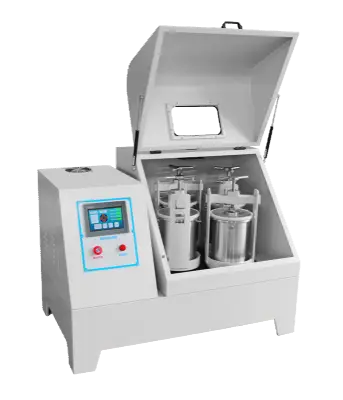
Planetary Ball Milling Technology: Working Principle, Types and Applications
Learn how planetary ball milling works, compare major mill types, select grinding jars and media, and optimize operating parameters for different materials.
 08/05/2026
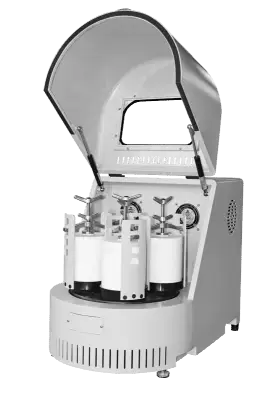
Planetary Ball Mill Manufacturers: 10 Key Factors for Comparing Brands
Compare planetary ball mill manufacturers by grinding performance, speed, jar materials, cooling, safety, controls, maintenance and total operating cost.
 08/05/2026
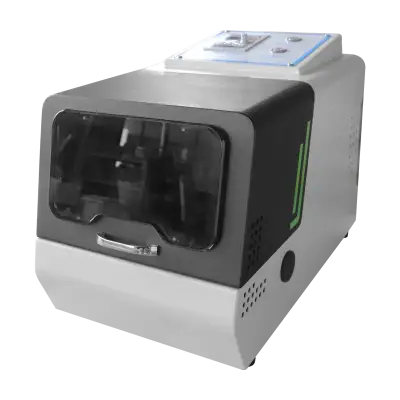
Laboratory Ball Mill Guide: Applications, Grinding Jar Materials and Selection Tips
Learn how to select a laboratory ball mill, grinding jar material, jar volume and grinding mode for different samples, applications and contamination limits.
 08/05/2026
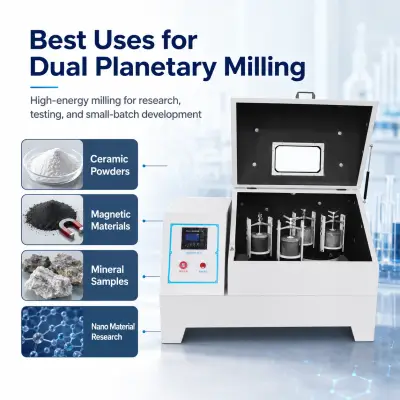
Why Planetary Ball Mills Use Grinding Aids: Benefits, Mechanisms and Selection
Learn why planetary ball mills use grinding aids to reduce agglomeration, control cold welding, improve powder flow and increase milling efficiency.
 08/05/2026
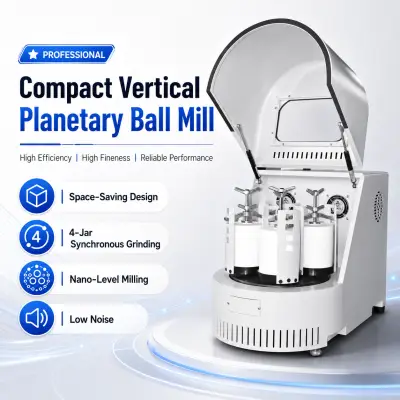
Planetary Ball Mill Guide: Working Principle, Applications and Grinding Media Selection
Learn how planetary ball mills work, compare major mill types, and select suitable grinding jars, balls, speed ratios, and operating parameters.
 08/06/2026
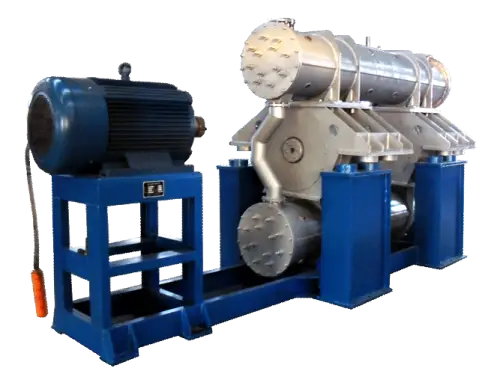
How a Heavy Duty Vibrating Ball Mill Works and How to Select One for Laboratory Use
A comprehensive guide to heavy duty vibrating ball mills, covering their working principle, key applications, and selection criteria for labs and research facilities. Learn how high-frequency vibration achieves ultrafine grinding and what factors matter when choosing a mill.
 08/10/2026
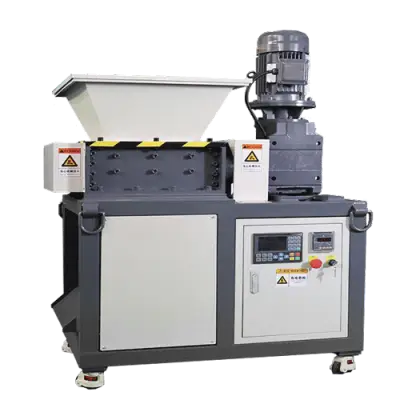
Small Shredder for Laboratory Sample Preparation: A Practical Guide to Pre-Crushing and Size Reduction
Learn how a small shredder improves laboratory sample preparation by reducing coarse materials before fine milling. This guide covers working principles, material suitability, key selection factors, and practical tips for efficient pre-crushing in powder processing.
 08/07/2026
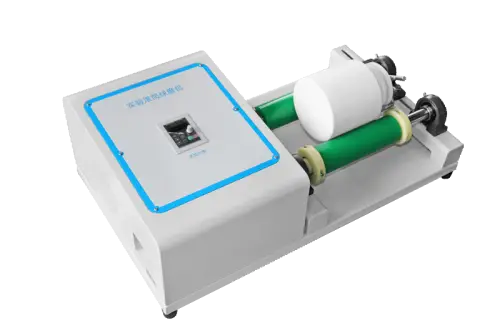
Lab Roll Ball Mill: A Practical Guide for Laboratory Grinding and Mixing
Discover how lab roll ball mills work, their key applications, and how to select the right model for your powder processing needs. This guide covers working principles, jar material selection, speed control, and practical tips for achieving consistent results in research and small-batch production.
 08/07/2026
PTFE Roll Mill Jar: A Non-Stick Solution for Contamination-Free Powder Grinding
Discover the PTFE roll mill jar, a non-stick, chemically inert grinding vessel ideal for laboratory ball milling. Learn about its properties, applications, and how it compares to nylon, stainless steel, ceramic, and polyurethane jars for contamination-free powder processing.
 08/07/2026
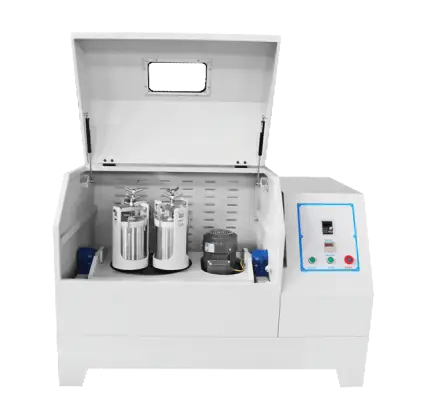
Laboratory Full-Directional Planetary Ball Mill: 360° Rotation for Enhanced Powder Processing
Discover how the Laboratory Full-Directional Planetary Ball Mill with 360° rotation overcomes the limitations of conventional planetary mills. This guide covers the working principle, unique advantages, application scenarios, and key selection factors for researchers and engineers seeking uniform, high-energy grinding results.
 08/07/2026
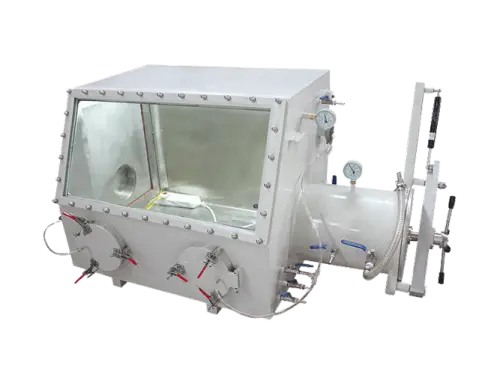
Stainless Steel Vacuum Glove Box: Your Reliable Solution for Anhydrous and Anaerobic Operations
A stainless steel vacuum glove box provides a controlled inert atmosphere for handling air-sensitive materials. This guide covers its construction, working principle, key applications, and selection factors for laboratory and industrial use.
 08/06/2026
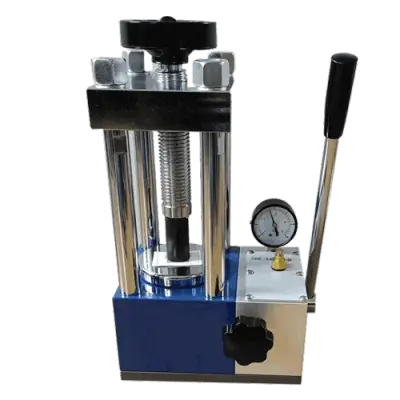
Manual Tablet Press: A Practical Guide for Laboratory Sample Preparation and Powder Compaction
This guide covers the working principle, key specifications, material compatibility, and selection criteria of manual tablet presses for laboratory use. Learn how to choose the right manual tablet press for your powder compaction needs, from pressure capacity to die options, and understand how it compares to automatic electric tablet presses.
 08/06/2026
Acrylic Glove Box: A Complete Guide for Laboratory Applications
This comprehensive guide explores the acrylic glove box, a transparent benchtop enclosure for handling moisture-sensitive, air-sensitive, or hazardous powders. Learn about its construction, key features, typical applications in materials science and battery research, how to choose the right size and port configuration, and maintenance tips. Whether you work with lithium battery materials, nanomaterials, or ceramic powders, this article helps you decide if an acrylic glove box fits your lab needs.
 08/06/2026
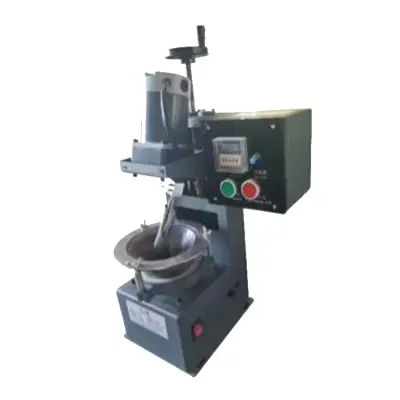
Agate Grinder: A Reliable Laboratory Tool for Contamination-Free Fine Grinding
Learn how an agate grinder works, its advantages for contamination-free laboratory grinding, and how to select the right model for your material. This guide covers the working principle, key applications, and practical tips for choosing agate grinding equipment.
 08/04/2026
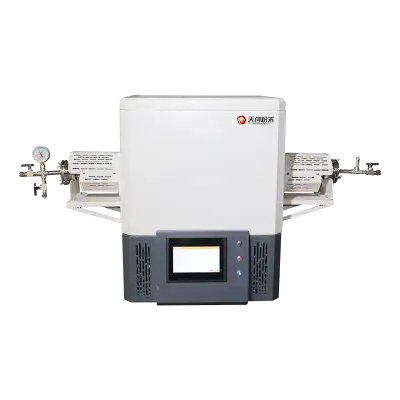
How to Select and Use a Vacuum Tube Furnace for Laboratory Heat Treatment
A vacuum tube furnace is essential for high-temperature processing under controlled atmospheres. This guide explains its working principle, key components, material selection, and practical tips for choosing the right furnace for your lab.
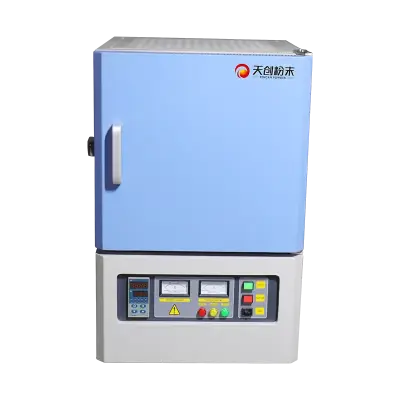
Complete Guide to Muffle Furnaces: 30 Key Questions and Answers About Essential High-Temperature Laboratory Equipment
Learn how to use a muffle furnace safely with 30 practical Q&As on temperature control, sample handling, maintenance, troubleshooting, and applications.
 08/05/2026
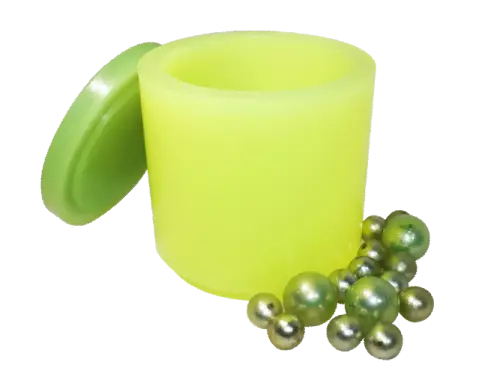
Polyurethane (PU) Planetary Mill Jars: A Practical Choice for Abrasion-Resistant, Low-Contamination Grinding
Discover the advantages of polyurethane planetary mill jars for laboratory ball milling. Learn about their wear resistance, low contamination, ideal applications, and how to select the right PU jar for your powder processing needs.
 08/05/2026
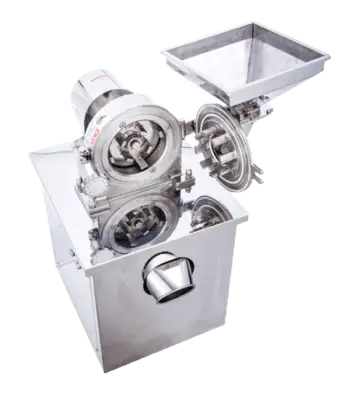
Multi Functional Crusher: A Versatile Solution for Laboratory Sample Preparation
Discover the multi functional crusher for laboratory sample preparation — a versatile machine designed to handle diverse materials including coal, ore, chemical, and pharmaceutical samples. Learn about its working principle, key features, and how to choose the right crusher for your lab.