
Multi Functional Crusher: A Versatile Solution for Laboratory Sample Preparation
What Is a Multi Functional Crusher?
In any laboratory that handles powder sample preparation, the first step is often size reduction. Before you can perform grinding, mixing, or analysis, you need to break down larger chunks of material into a uniform, manageable particle size. A multi functional crusher is designed precisely for this purpose — it can handle a wide variety of materials, from hard ores and coal to brittle chemicals and pharmaceutical tablets, all in one compact machine.
Unlike dedicated crushers that only work on one type of material, a multi functional crusher offers flexibility. It allows you to switch between different crushing modes or adjust settings to accommodate different feed sizes and hardness levels. This makes it an ideal choice for quality control labs, research institutes, and small-scale production facilities that process diverse samples daily.
How Does a Multi Functional Crusher Work?
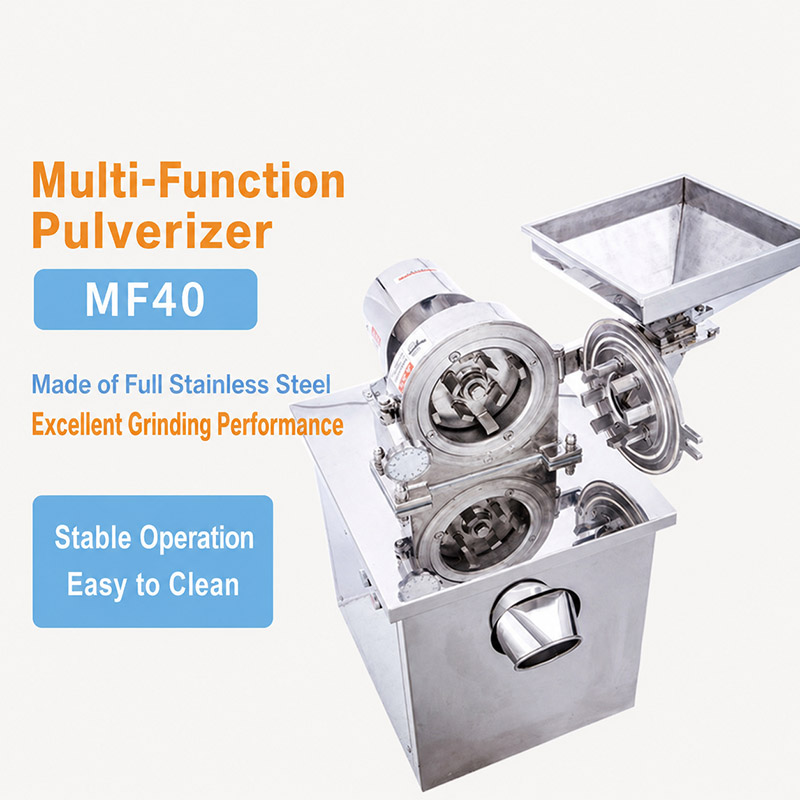
The working principle of a multi functional crusher typically combines impact, shearing, and compression forces. Material is fed into a crushing chamber where a high-speed rotor equipped with hammers or blades strikes the material, breaking it into smaller pieces. The crushed material then passes through a screen or sieve with a specific mesh size, ensuring consistent output particle size. Some models allow you to change the screen easily to achieve different fineness levels.
Key components include:
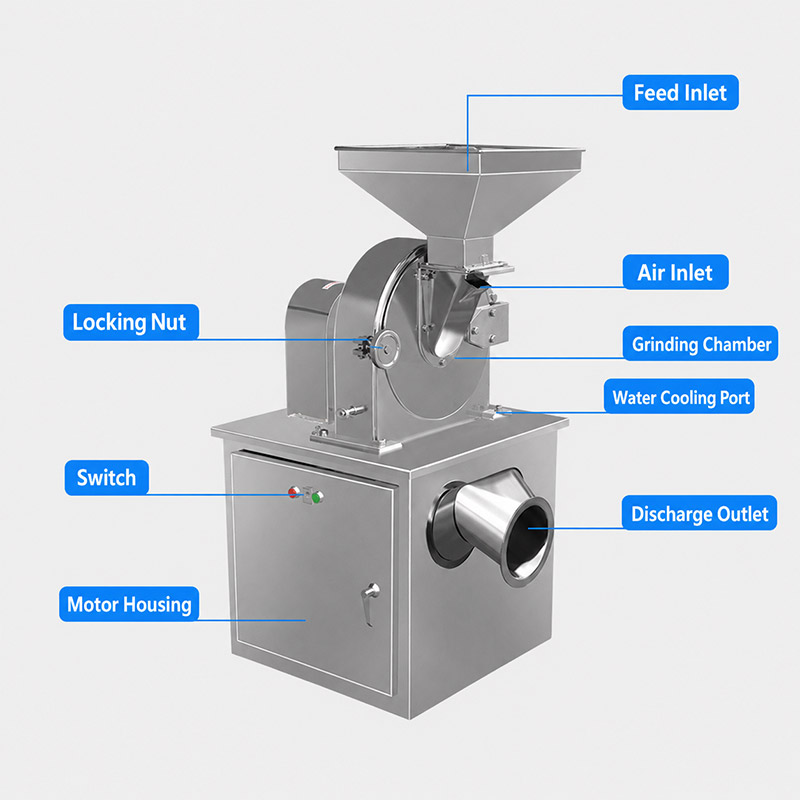
- Crushing chamber – made of wear-resistant materials such as stainless steel or alloy steel
- Rotor with hammers/blades – the main moving part that delivers impact energy
- Screen mesh – controls the final particle size
- Feed hopper – for safe and easy material feeding
- Collection container – for receiving the crushed product
Many modern laboratory crushers also feature a dust-proof design, reducing airborne particles and making operation cleaner and safer.
Key Applications of Multi Functional Crushers
Because of their versatility, multi functional crushers are widely used in:
- Coal and coke preparation – crushing coal samples for proximate analysis, calorific value testing, and ash content determination
- Mineral and ore processing – preparing ore samples for XRF, XRD, fire assay, or chemical digestion
- Chemical and pharmaceutical industries – breaking down raw materials, intermediates, or tablets for formulation and quality control
- Building materials and ceramics – reducing clinker, slag, feldspar, quartz, and other brittle materials
- Environmental and agricultural testing – crushing soil, plant materials, fertilizers, and waste samples
In each case, the crusher delivers a representative, homogeneous sample that is essential for accurate analytical results.
Key Features to Look for in a Multi Functional Crusher
When selecting a multi functional crusher for your laboratory, consider the following features:
1. Material of Construction
The crushing chamber and hammers should be made of materials that resist wear and corrosion. Common choices include stainless steel (for food, pharmaceutical, and chemical applications) and high-manganese steel or alloy steel (for mineral and coal crushing). Some models offer interchangeable parts for different materials.
2. Adjustable Output Size
A good multi functional crusher allows you to change the screen mesh size easily. Typical mesh sizes range from 0.5 mm to 6 mm or more, depending on the application. The ability to quickly swap screens saves time and improves workflow.
3. Dust Control
Laboratory environments demand cleanliness. Look for a crusher with a sealed crushing chamber, optional dust collection port, or a fully enclosed design. This is especially important when processing fine powders or toxic materials.
4. Safety Features
Safety interlocks, emergency stop buttons, and overload protection are essential. The feed hopper should be designed to prevent accidental contact with moving parts.
5. Ease of Cleaning
If you process different materials frequently, easy disassembly and cleaning are critical. Removable crushing chamber walls, easy-access screens, and smooth interior surfaces reduce cross-contamination.
How to Choose the Right Multi Functional Crusher for Your Lab
Selecting the right crusher depends on several factors:
- Material hardness and abrasiveness – Harder materials require stronger hammers and more robust construction. For materials with Mohs hardness above 5, consider a crusher with hardened steel components.
- Feed size – Most laboratory crushers can accept feed sizes up to 50–100 mm. If you have larger lumps, you may need a primary jaw crusher before the multi functional crusher.
- Required throughput – How much sample do you need to crush per batch? For small batches (50–500 g), a benchtop model is sufficient. For larger volumes (1–10 kg), consider a floor-standing unit.
- Final particle size – If you need particles finer than 1 mm, you may need to combine crushing with grinding. A multi functional crusher typically produces 1–6 mm particles, which can then be further reduced in a ball mill or disc mill.
- Contamination sensitivity – For trace element analysis, choose a crusher with non-contaminating materials like agate or tungsten carbide plates (if available).
At TENCAN, we offer a range of multi functional crushers designed for laboratory use. Our machines are built with high-quality stainless steel or alloy steel, feature quick-change screens, and come with dust-proof enclosures to ensure a clean working environment.
Maintenance Tips for Long Service Life
To keep your multi functional crusher running smoothly:
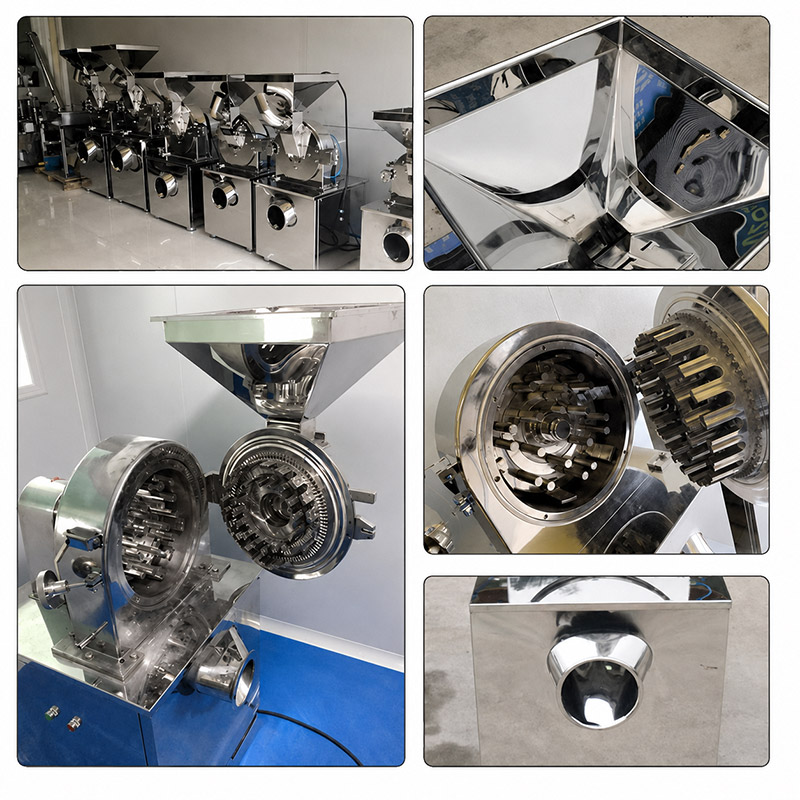
- Regularly inspect hammers and screens for wear. Replace them before they become too blunt or damaged.
- Lubricate bearings according to the manufacturer’s schedule. Most lab crushers require greasing every 60–100 operating hours.
- Clean the crushing chamber after each use, especially when switching materials. Use a brush or compressed air to remove residual powder.
- Check electrical connections and safety interlocks periodically.
- Store in a dry environment to prevent rust and corrosion.
With proper care, a quality multi functional crusher can serve your laboratory for many years, providing reliable and consistent sample preparation.
If you need further assistance selecting the right crusher for your specific materials and application, feel free to contact our technical team. We can help you choose the appropriate model, screen size, and optional accessories to meet your requirements.