
Acrylic Glove Box: A Complete Guide for Laboratory Applications
Why You Might Need an Acrylic Glove Box in Your Lab
Handling air-sensitive powders, moisture-reactive chemicals, or fine nanomaterials often requires a controlled environment. An open bench exposes your samples to oxygen, humidity, and airborne contaminants, which can alter material properties or create safety hazards. An acrylic glove box provides a transparent, sealed workspace where you can manipulate samples under a protective atmosphere — typically dry nitrogen, argon, or under vacuum.
Whether you are formulating battery electrolytes, grinding lithium-ion cathode materials, sieving metal powders, or conducting mechanical alloying experiments, a laboratory glove box helps maintain sample integrity and operator safety.
What Is an Acrylic Glove Box?
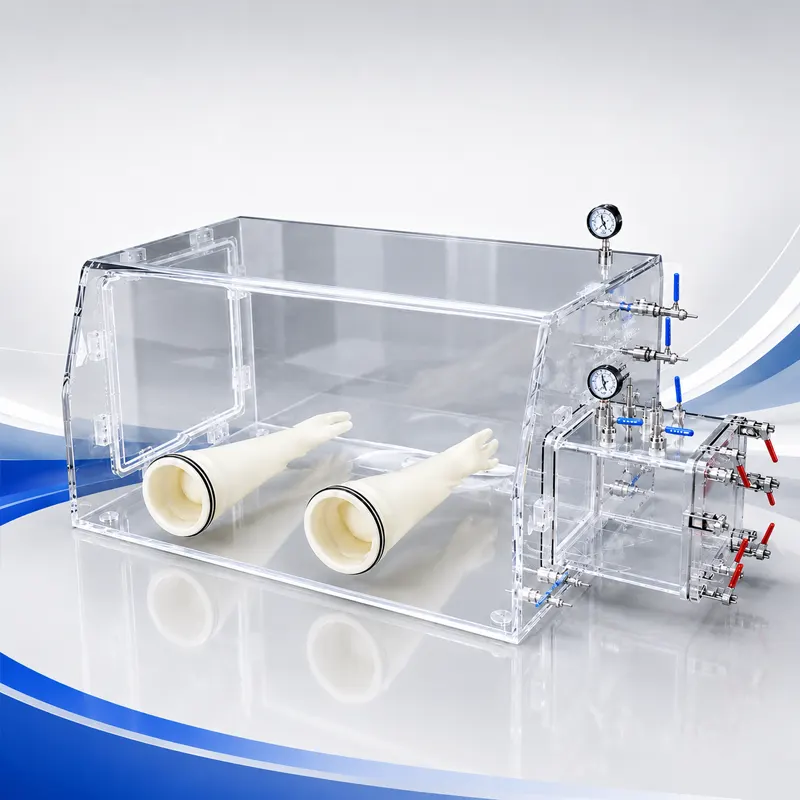
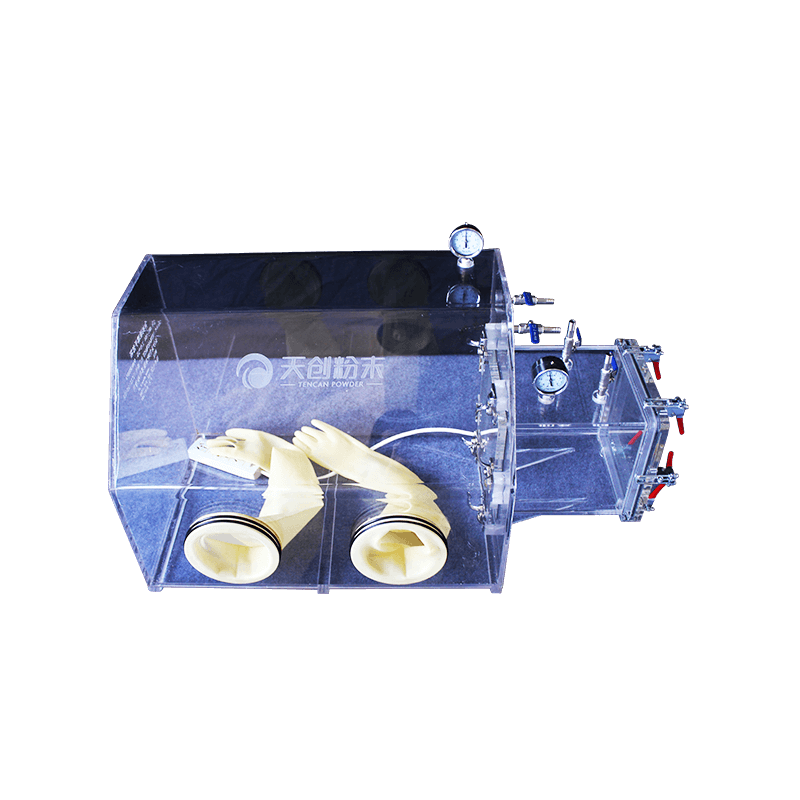
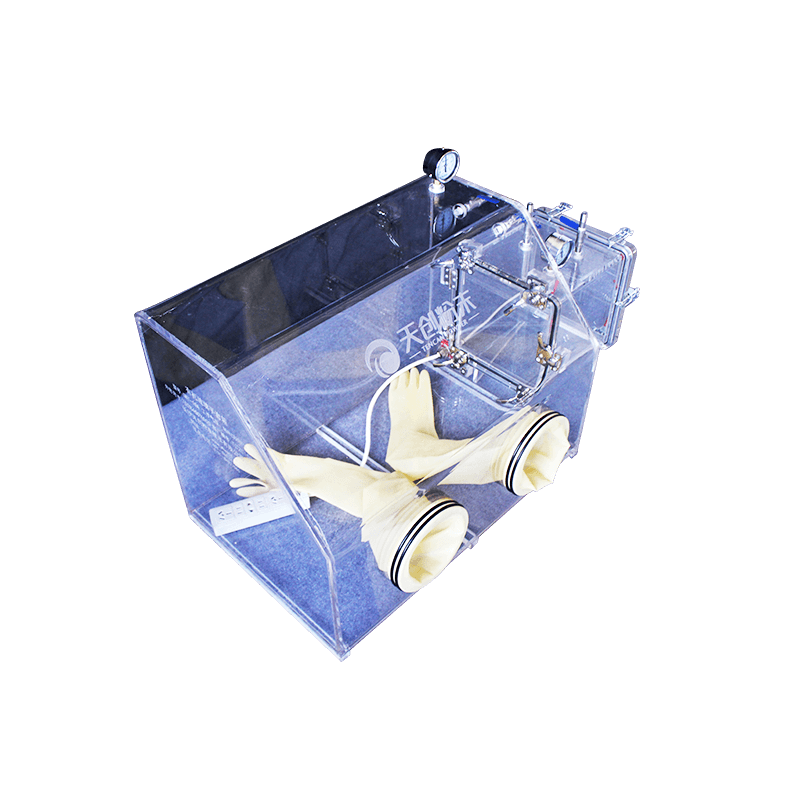
An acrylic glove box is a benchtop or floor-standing enclosure made of transparent polymethyl methacrylate (PMMA). It features one or more glove ports with sealed gloves, allowing you to reach inside without breaking the barrier. The transparent walls let you observe the operation clearly. Most models include gas inlet/outlet valves, a pressure gauge, and sometimes a vacuum port for evacuation and backfilling.
Unlike stainless steel glove boxes, acrylic versions are lighter, more affordable, and offer excellent optical clarity. They are particularly suitable for laboratories that require a moderate level of inert atmosphere control but do not need the extreme low moisture/oxygen levels (below 1 ppm) delivered by purification systems.
Key Features of a Quality Acrylic Glove Box
Transparent Acrylic Construction
High-grade cast acrylic (PMMA) provides clarity similar to glass but is much lighter and more impact-resistant. It resists many common solvents and chemicals, though prolonged exposure to strong solvents like acetone or chloroform may cause clouding. In most laboratory applications, the material performs well with alcohols, dilute acids, and inert gases.
Glove Ports and Gloves
Standard glove boxes typically have one or two glove ports (sizes commonly 6–8 inches in diameter). Hypalon or butyl rubber gloves are often used for better chemical resistance, while latex or neoprene gloves are suitable for general handling. The port design should allow easy glove replacement without breaking the seal.
Gas and Vacuum Connections
A well-designed acrylic glove box includes at least one gas inlet and one outlet, often with needle valves for flow control. A vacuum port allows you to evacuate the chamber before refilling with inert gas, which reduces residual moisture and oxygen. Some models come with a built-in pressure relief valve for safety.
Transfer Chamber (Antechamber)
Many acrylic glove boxes integrate a small side chamber (antechamber) with a separate door. You can place samples or tools into the antechamber, evacuate and purge it, then transfer them into the main chamber without disturbing the internal atmosphere. This is essential for maintaining low oxygen and moisture levels during extended work.
Typical Applications of Acrylic Glove Boxes in Powder Processing
Acrylic glove boxes are widely used in laboratories that handle sensitive powders. Below are some common scenarios:
- Lithium battery material preparation: Mixing, grinding, or coating cathode and anode materials (e.g., LiCoO₂, LiFePO₄, graphite, silicon) must be done in dry conditions to prevent moisture absorption, which can degrade electrochemical performance.
- Nanomaterial handling: Fine powders such as carbon nanotubes, graphene, or metal nanoparticles are easily airborne and pose inhalation risks. A glove box provides containment and reduces exposure.
- Mechanical alloying: When performing high-energy ball milling of reactive metals (e.g., titanium, aluminum, magnesium), the glove box can be filled with argon to avoid oxidation during sample loading and unloading.
- Ceramic and glass powder formulation: Many ceramic precursors are hygroscopic; working inside a dry glove box ensures consistent powder properties.
- Pharmaceutical and chemical synthesis: Air-sensitive catalysts or intermediates can be handled safely under inert gas.
How to Select the Right Acrylic Glove Box for Your Lab
Determine the Required Workspace
Consider the size of your equipment and the number of operators. Benchtop models with internal dimensions of about 600–900 mm width, 500–600 mm depth, and 500–700 mm height are common for single-person operation. Larger floor-standing models are available for more extensive tasks.
Choose the Number of Glove Ports
Single-port boxes are suitable for simple tasks like weighing or transferring. Two ports allow two hands or occasionally two operators, which is typical for most powder processing steps. If you often need to use large tools inside, consider a box with three ports.
Evaluate Atmosphere Control Needs
If your experiments require low oxygen and moisture (below 100 ppm), a basic acrylic glove box with a vacuum pump and inert gas purging can achieve a reasonable level. For demanding applications (e.g., lithium metal or air-sensitive catalysts), you may need a glove box with a purification system that circulates and cleans the internal atmosphere. In such cases, a stainless steel chamber is often preferred because of better sealing and corrosion resistance.
Consider Accessories and Customization
Many manufacturers offer optional features such as:
- Additional gas ports for welding or attaching external instruments
- Electrical feedthroughs for sensors or stirrers
- UV lamps for sterilization
- Adjustable shelves or sliding trays
When ordering, it is helpful to discuss your specific processes with the supplier. A technical team can recommend the appropriate combination of ports, valves, and materials.
Maintenance and Safety Tips
- Inspect gloves regularly: Tiny pinholes can compromise the atmosphere. Replace gloves if they show signs of wear or chemical attack.
- Clean the acrylic surfaces gently: Use a soft, lint-free cloth with mild soapy water or isopropyl alcohol. Avoid abrasive cleaners that scratch the plastic.
- Check seals and gaskets: Door seals and port O-rings should be periodically greased with a compatible vacuum grease to maintain a tight seal.
- Never exceed the recommended pressure rating: Acrylic chambers are not designed for high vacuum (typically limited to –0.1 MPa or about –1 bar). Excess vacuum can cause the walls to collapse or crack.
- Keep the work area organized: Place only necessary items inside to avoid accidental spills or damage to the gloves.
Comparing Acrylic vs. Stainless Steel Glove Boxes
Both materials have their place. The table below summarizes typical differences (based on general industry knowledge, not specific product specifications):
- Acrylic: Lighter, lower cost, excellent visibility, suitable for moderate inert atmosphere work (down to ~100 ppm O₂/H₂O with proper purging). Limited chemical resistance to strong solvents. Not recommended for high-vacuum or high-temperature applications.
- Stainless steel: Heavier, higher cost, opaque (requires windows), excellent chemical and corrosion resistance, can achieve very low O₂/H₂O levels (below 1 ppm) when combined with a purification system. Suitable for rigorous vacuum and high-temperature environments.
If you need a simple, transparent, and cost-effective containment solution for routine powder handling under inert gas, an acrylic glove box is often the right choice. For ultra-high purity requirements or hazardous materials that demand maximum durability, consider a stainless steel vacuum glove box.
Getting Started with Your Acrylic Glove Box
Once you have selected an acrylic glove box, follow these steps to establish a controlled atmosphere:
- Place the glove box on a stable, level benchtop.
- Connect the inert gas (e.g., nitrogen or argon) to the inlet valve. Set the regulator to a low pressure (typically 0.1–0.2 bar).
- If your box has a vacuum port, connect a vacuum pump. Evacuate the chamber to about –0.08 MPa, then refill with inert gas. Repeat this purge cycle 3–5 times to reduce oxygen and moisture levels significantly.
- Monitor the internal pressure with the gauge. Maintain a slight positive pressure (0.05–0.1 bar) to prevent outside air from leaking in.
- Use the antechamber for transferring materials in and out. Always purge the antechamber before opening the inner door.
With proper usage, an acrylic glove box becomes an indispensable tool for maintaining sample purity and safety in your powder processing workflow.
For more information on specific models and configurations, please visit the acrylic glove box product page or contact our technical team with details about your powder material and process requirements. We can help you select the right size, port configuration, and accessories to match your laboratory needs.