
Horizontal Light-Duty Ball Mill: A Practical Guide for Laboratory Grinding and Powder Processing
What Is a Horizontal Light-Duty Ball Mill?
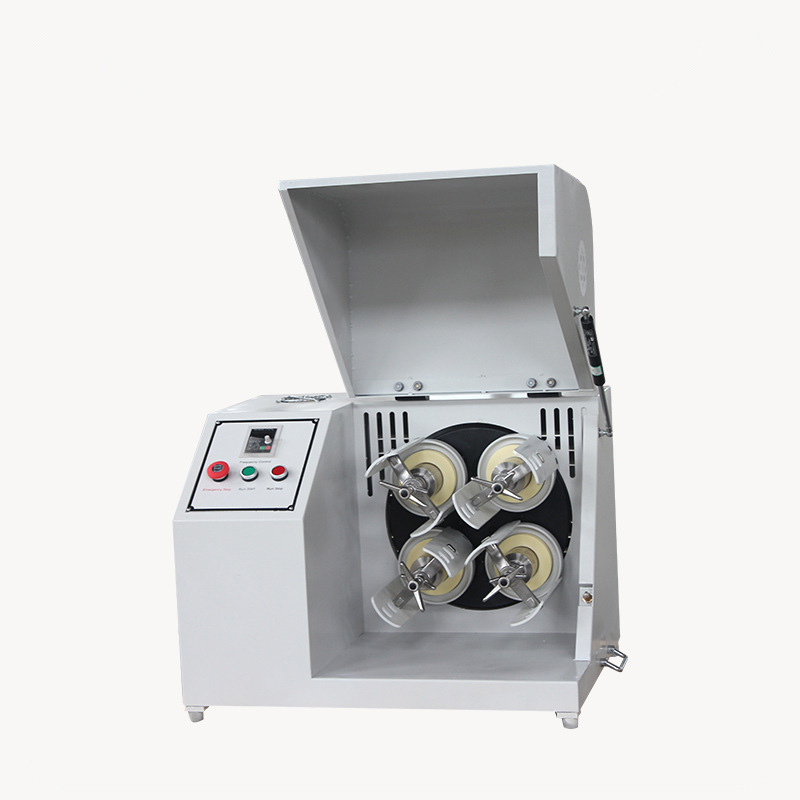
A horizontal light-duty ball mill is a type of laboratory grinding equipment designed for gentle, efficient powder size reduction, mixing, and homogenization of small to medium sample volumes. Unlike heavy-duty planetary ball mills that generate high impact forces for hard materials, the light-duty version operates with a more moderate rotational speed and lower energy input, making it ideal for soft to moderately hard materials, heat-sensitive compounds, or applications where minimal wear and contamination are priorities.
This mill typically features a horizontally mounted roller mechanism that rotates cylindrical jars or bottles at controlled speeds. The grinding action comes from the tumbling of balls and material inside the jar, providing a mild yet consistent milling effect. Laboratories in universities, research institutes, and R&D departments often use this equipment for routine sample preparation, formulation development, and small-scale production of advanced materials such as ceramics, pigments, pharmaceuticals, and battery precursors.
How Does a Horizontal Light-Duty Ball Mill Work?
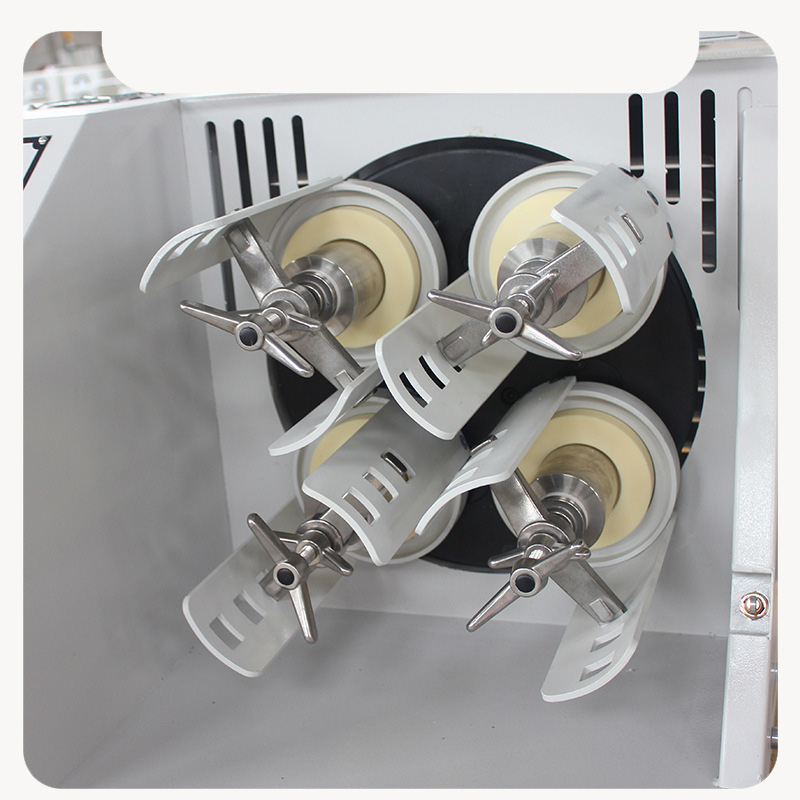
The working principle is straightforward yet effective. The main unit consists of a motor-driven roller system that rotates at a preset speed. Grinding jars (often made of materials like alumina, agate, stainless steel, or nylon) are placed on the rollers and held securely by a locking mechanism. As the rollers turn, the jars rotate, causing the grinding balls and the powder inside to cascade and collide repeatedly.
Key factors that influence grinding performance include:
- Rotational speed – Typically ranging from 50 to 300 rpm for light-duty models. Higher speeds increase the impact force but may also raise temperature and wear.
- Grinding ball size and material – Common ball diameters are 3–20 mm. Zirconia, alumina, and stainless steel are popular choices depending on the sample hardness and acceptable contamination level.
- Ball-to-powder weight ratio – A common starting point is around 5:1 to 10:1, but this can be adjusted based on material characteristics and target fineness.
- Grinding time – Usually ranges from 15 minutes to several hours. Intermittent operation with pauses can help manage heat buildup for temperature-sensitive materials.
The horizontal design promotes a rolling and tumbling action rather than the high-energy planetary motion found in vertical counterparts. This results in a gentler grinding profile, which is beneficial for preserving the crystalline structure of certain materials or avoiding excessive amorphization during mechanical alloying.
Key Applications and Suitable Materials
The horizontal light-duty ball mill is versatile and can be applied to a wide spectrum of materials. Here are some common application scenarios:
Ceramics and Refractories
Soft to medium-hard ceramic powders, such as alumina, quartz, feldspar, and kaolin, can be effectively ground without introducing significant iron contamination when using alumina or zirconia jars and balls. This makes the mill suitable for preparing ceramic slurries or dry powders for sintering experiments.
Pharmaceuticals and Nutraceuticals
For active pharmaceutical ingredients (APIs), herbal extracts, or excipients that require particle size reduction without thermal degradation, the light-duty mill offers a controlled environment. The ability to run at lower speeds helps maintain chemical stability.
Pigments and Dyes
Colorants often need fine and uniform dispersion to achieve consistent shade. Horizontal milling provides gentle shearing and mixing, reducing the risk of color variation or contamination from hard grinding media.
Battery Materials
In lithium-ion battery research, precursor materials like lithium carbonate, graphite, and cathode active materials are frequently mixed and ground using light-duty ball mills. The horizontal configuration allows for easy cleaning and changeover between different chemistries.
Food and Agricultural Samples
Grains, spices, and dried plant materials can be reduced to powder for analysis or further processing. The mill's closed jars prevent cross-contamination and make cleanup straightforward.
How to Choose the Right Horizontal Light-Duty Ball Mill for Your Lab
Selecting the appropriate mill depends on several practical considerations. Below are key factors to evaluate before making a purchase:
Sample Volume and Jar Capacity
Light-duty mills are typically designed for small to medium batch sizes. Common jar capacities range from 50 mL to 2 L per jar. Determine the typical sample weight per run and choose a model that can accommodate multiple jars if parallel processing is needed. For example, a mill with four 500 mL jars can process up to 2 kg of powder per batch, depending on material density and filling ratio.
Rotational Speed Control
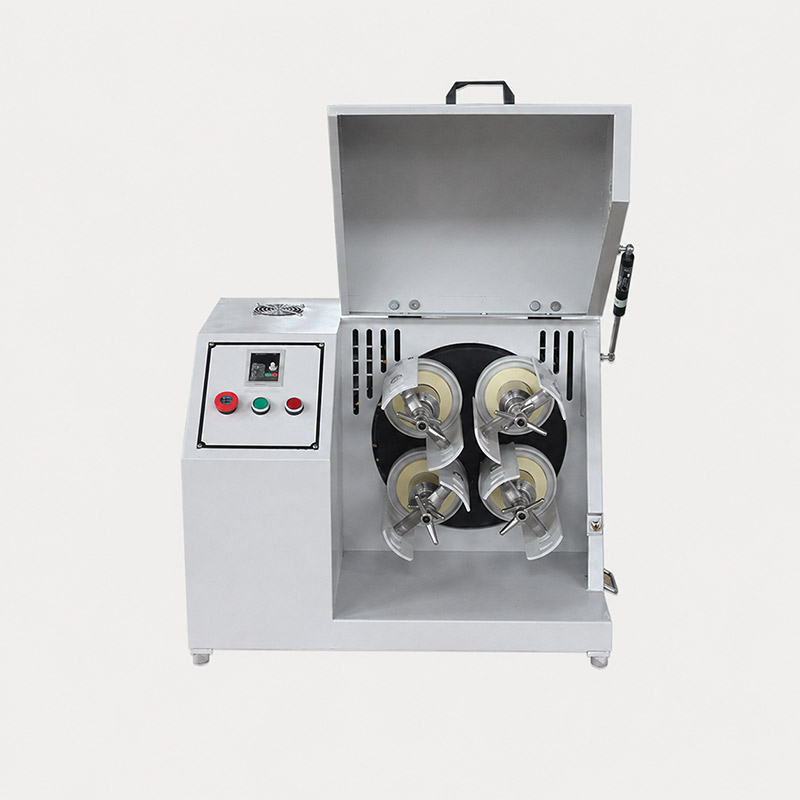
Variable speed control is highly recommended. A digital display and programmable timer allow you to set consistent parameters for reproducible results. Some models offer forward, reverse, and pause cycles, which can prevent powder caking and improve uniformity.
Grinding Jar and Media Materials
Match the jar and ball material to your sample. For non-contaminating grinding, choose agate or zirconia. For samples that require high impact, stainless steel may be suitable, but iron contamination should be considered. Nylon jars are useful for dry grinding of heat-sensitive materials as they generate less heat.
Safety and Build Quality
Look for features such as emergency stop switches, lid interlocks (if applicable), and sturdy construction. A mill with a solid base and vibration damping will operate more quietly and produce more consistent results. Also check voltage and frequency compatibility with your local power supply.
Ease of Cleaning and Maintenance
Jars that are easy to open, seal, and clean reduce downtime. Removable rollers or adjustable clamping systems add convenience. Consider whether the mill can be disassembled for thorough cleaning between different sample types.
If you are unsure about which configuration best suits your needs, you can refer to the Horizontal Light-Duty Ball Mill product page for more detailed specifications or contact TENCAN's technical team for personalized advice.
Practical Tips for Achieving Consistent Grinding Results
Even with a well-chosen mill, process parameters significantly affect the final particle size distribution and material properties. Here are some practical suggestions based on common laboratory experience:
- Pre-crush large particles – If the feed size exceeds 5 mm, consider pre-crushing with a jaw crusher or similar equipment to reduce variation and protect the jar.
- Use a consistent ball-to-powder ratio – Document and repeat the same ratio for comparable experiments. A common starting point is 5:1 to 10:1 by weight.
- Fill jars properly – Typically, the total volume of balls and powder should occupy about one-third to one-half of the jar volume. Overfilling reduces milling efficiency.
- Choose appropriate ball size – Larger balls (10–20 mm) provide stronger impact for initial size reduction, while smaller balls (3–5 mm) improve fine grinding and mixing.
- Consider wet grinding – Adding a small amount of liquid (water, alcohol, or hexane) can reduce agglomeration and heat generation, especially for sticky or reactive powders.
- Implement intermittent operation – For temperature-sensitive samples, run the mill for 10–20 minutes followed by a 5–10 minute pause to allow cooling.
By systematically evaluating these parameters, you can develop a robust grinding protocol that delivers repeatable results across multiple batches.
Safety and Operational Considerations
Although the horizontal light-duty ball mill is designed for routine laboratory use, proper safety measures should always be followed:
- Always lock the jars securely before starting the mill to prevent accidents.
- Check that all electrical connections are properly grounded and that the mill is placed on a stable surface.
- When grinding flammable or reactive powders, use explosion-proof jars and operate in a well-ventilated area or under inert gas if necessary.
- Wear appropriate personal protective equipment (gloves, safety glasses) when handling powders and cleaning jars.
- Follow the manufacturer's recommended maximum speed and load limits to avoid mechanical failure.
By choosing a reliable horizontal light-duty ball mill from a trusted supplier like TENCAN and following sound operational practices, you can achieve efficient, repeatable powder processing for a wide range of laboratory applications.