
Ceramic Roll Mill Jar: A Comprehensive Guide for Laboratory Powder Processing
Why Choose a Ceramic Roll Mill Jar for Your Laboratory?
When working with roller ball mills, the grinding jar is one of the most critical components. It directly determines the cleanliness, efficiency, and consistency of your powder processing. Among the various jar materials available, the ceramic roll mill jar has become a preferred choice for many laboratories dealing with ceramics, minerals, battery materials, and other advanced powders. But what makes it stand out, and how should you select the right one?
In this guide, we will walk through the practical aspects of ceramic roll mill jars — from material properties and capacity options to everyday usage tips. Whether you are preparing a new experiment or scaling up a process, understanding these details will help you make a more informed decision.
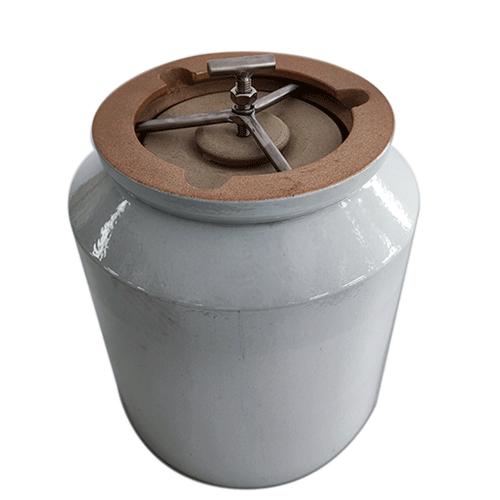
What Is a Ceramic Roll Mill Jar?
A ceramic roll mill jar is a cylindrical container made from high-density ceramic materials, designed to be used on roller ball mills (also called jar rolling mills or roller mills). Unlike planetary ball mills that use high-speed rotation and planetary motion, roller ball mills rotate the jar on a set of rollers, causing the grinding media and powder inside to tumble and mill through impact and attrition.
These jars are available in a range of volumes, typically from 0.5 liters to 10 liters or more, depending on the model. They are commonly used for wet or dry grinding, mixing, and homogenizing of various materials. The ceramic body offers excellent wear resistance, chemical inertness, and low contamination, making it suitable for high-purity applications.
Common Ceramic Materials for Roll Mill Jars
Not all “ceramic” jars are the same. The specific ceramic composition affects hardness, density, thermal conductivity, and price. The most common types include:
- Alumina (Al₂O₃) – High purity (95%–99%) alumina jars are the most widely used. They offer good hardness, moderate density, and excellent resistance to abrasion and corrosion. They are suitable for grinding many mineral, ceramic, and chemical powders.
- Zirconia (ZrO₂) – Zirconia jars are denser and tougher than alumina. They provide even lower wear rates and are often selected for grinding very hard materials or when ultra-low contamination is critical. Zirconia is also more resistant to impact, which can be beneficial for certain milling conditions.
- Corundum – Corundum is a natural form of alumina with high hardness. Corundum roll mill jars are similar to high-alumina jars but may have slightly different grain structures. They are also available from many suppliers.
When selecting a ceramic material, consider the hardness of your sample, the acceptable contamination level, and your budget. For most laboratory grinding of ceramic powders, oxides, and minerals, a high-alumina jar provides a good balance of performance and cost.
Key Advantages of a Ceramic Roll Mill Jar
1. Low Contamination
One of the primary reasons researchers choose ceramic jars is the minimal contamination they introduce. Unlike stainless steel or other metal jars, ceramic materials are chemically inert and do not leach metal ions into the powder. This is particularly important for electronic ceramics, battery materials, pharmaceutical ingredients, and high-purity catalysts.
2. High Wear Resistance
Ceramic jars have very high surface hardness, typically above 8 on the Mohs scale for alumina and even higher for zirconia. This means they wear slowly, even when grinding hard particles. The jars maintain their internal dimensions over many cycles, ensuring consistent milling performance.
3. Chemical and Thermal Stability
Ceramics can withstand exposure to most acids, alkalis, and organic solvents, making them suitable for wet grinding with various liquids. They also have good thermal stability, so moderate temperature rises during milling do not affect the jar structure.
4. Smooth Inner Surface
The interior of a ceramic roll mill jar is typically glazed or polished to a smooth finish. This reduces powder adhesion and makes cleaning easier. For processes that require frequent jar changes or strict cross-contamination prevention, a smooth surface is a valuable feature.
Selecting the Right Ceramic Roll Mill Jar
Choosing the correct jar involves more than just picking a material. Here are the key factors to consider:
Volume and Capacity
Roll mill jars are available in standard volumes such as 0.5 L, 1 L, 2 L, 3 L, 5 L, and 10 L. The working capacity is typically about 50%–60% of the total jar volume, because you need space for the grinding media and the material to tumble. For example, a 2 L jar can usually process around 1–1.2 L of total charge (media + powder + liquid). If you are processing a large batch, you may need multiple jars or a larger single jar.
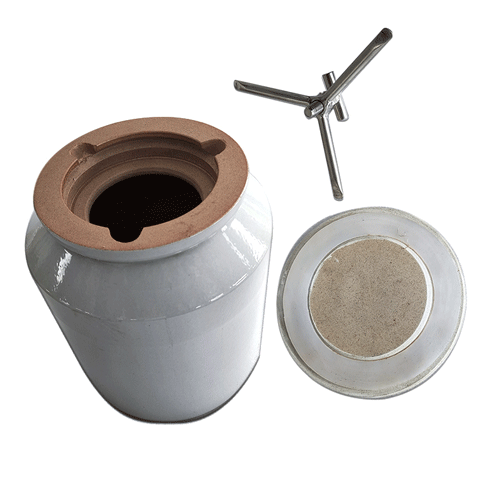
Shape and Closure
Most ceramic roll mill jars are cylindrical with a removable lid. The lid may be made of the same ceramic material, or sometimes a different material like plastic or metal with a gasket. A good sealing lid is essential to prevent leakage during wet grinding. Some jars come with a screw-on lid; others use a clamp or bayonet system. Make sure the closure design matches your roller mill’s jar holding mechanism.
Grinding Media Compatibility
The jar material should be compatible with the grinding media you plan to use. For ceramic jars, it is common to use ceramic grinding balls of the same or similar material to avoid cross-contamination. For example, use alumina balls in an alumina jar, or zirconia balls in a zirconia jar. The size of the balls will depend on the feed particle size and target fineness. Typically, balls ranging from 10 mm to 30 mm diameter are used in roll mill jars.
Dry vs. Wet Grinding
Ceramic jars are suitable for both dry and wet milling. However, for wet grinding, you need to ensure the jar is completely sealed and the lid gasket is chemically resistant. The liquid medium (water, ethanol, acetone, etc.) should not attack the ceramic material – which is rarely a problem for alumina or zirconia. Also, wet grinding often produces finer particles and reduces dust, but it increases the weight of the jar, so confirm your roller mill can handle the extra load.
How to Use and Maintain a Ceramic Roll Mill Jar
Charging the Jar
As a practical reference, the grinding media should occupy about 30%–40% of the jar volume, and the powder plus liquid (if wet) should fill the remaining space up to about 50%–60% of the total volume. This leaves enough headspace for the tumbling action. Overfilling reduces milling efficiency; underfilling may cause excessive impact and wear.
Cleaning and Storage
After each use, rinse the jar with water or an appropriate solvent to remove residual powder. For stubborn deposits, you can use a soft brush and mild detergent. Avoid using abrasive scrubbers that can scratch the glazed surface. Dry the jar thoroughly before storing to prevent mold or contamination. Store the jars in a dry, clean environment with the lid slightly open to allow air circulation.
Inspecting for Wear
Over time, the internal surface of the ceramic jar may develop slight wear, especially if you are grinding very hard materials like silicon carbide or quartz. Regularly inspect the interior for any pitting, chipping, or roughness. If the surface becomes too rough, it may increase contamination and reduce cleaning efficiency. In such cases, consider replacing the jar.
Comparison with Other Roll Mill Jar Materials
To help you understand where ceramic jars fit in, here is a brief comparison with other common jar materials:
| Material | Key Advantage | Best For | Limitation |
|---|---|---|---|
| Ceramic (Alumina/Zirconia) | Very low contamination, high hardness | High-purity ceramics, oxides, battery materials | Brittle, can break if dropped; higher cost than plastic |
| Stainless Steel | High strength, impact resistant | Metal powders, tough materials | May introduce iron contamination; not suitable for acidic or corrosive media |
| Nylon | Lightweight, low cost, good chemical resistance | Soft materials, organic samples, rubber | Low hardness, wears faster; not for hard materials |
| PTFE (Teflon) | Excellent chemical inertness, non-stick | Highly corrosive or sensitive samples | Soft, wears quickly; limited temperature range |
| Polyurethane (PU) | Elastic, noise dampening, wear resistant | Wet grinding of abrasive slurries | Not for dry grinding of hard materials; may deform over time |
From this comparison, it is clear that ceramic jars offer the best combination of purity and wear resistance for demanding laboratory applications. However, if your priority is impact resistance or budget, other materials may be more appropriate.
Common Applications of Ceramic Roll Mill Jars
Ceramic roll mill jars are widely used in the following fields:
- Ceramic Industry: Grinding of raw materials like feldspar, quartz, clay, and glaze powders.
- Battery Research: Milling of cathode, anode, and solid electrolyte materials where metal contamination must be avoided.
- Mineral Processing: Laboratory-scale grinding of ore samples for assay and mineral liberation studies.
- Chemical and Pharmaceutical: Mixing and milling of fine chemicals, pigments, and active pharmaceutical ingredients (APIs) in a clean environment.
- Materials Science: Preparation of composite powders, mechanochemical synthesis, and mechanical alloying (though for higher energy, planetary ball mills are often preferred).
Buying Considerations and Technical Support
When purchasing a ceramic roll mill jar, it is helpful to provide the following information to your supplier:
- Desired jar volume (e.g., 1 L, 2 L, 5 L)
- Material of the jar (alumina, zirconia, etc.)
- Type of grinding media you plan to use
- Whether you need dry or wet grinding
- Local voltage and frequency (if the jar is part of a complete mill system, but for jar only, this is not needed)
- Any special requirements for sealing or lid design
If you are unsure which material or size suits your application, a reliable supplier like TENCAN (Changsha Tianchuang Powder Technology Co., Ltd.) can offer technical guidance based on your specific material and process conditions. They have extensive experience in ceramic roll mill jars and other grinding accessories, helping you avoid common pitfalls.
Final Thoughts
A ceramic roll mill jar is a smart investment for laboratories that prioritize sample purity, process consistency, and long-term durability. By understanding the material options, capacity limits, and usage guidelines, you can select a jar that meets your specific needs and provides reliable service for years. Whether you are grinding ceramic powders, battery materials, or fine chemicals, the right jar makes a measurable difference in your results.
If you have further questions about jar selection or need technical advice, do not hesitate to reach out to experienced suppliers who understand the practical aspects of powder processing. The right guidance can save you time, reduce trial-and-error, and help you achieve better milling outcomes.