
Multi Channel Tissue Grinder: High-Throughput Sample Preparation for Modern Laboratories
Why Your Lab Needs a Multi Channel Tissue Grinder
If you have ever spent hours manually grinding dozens of tissue samples with a mortar and pestle, you know how tedious and inconsistent the process can be. Traditional methods not only consume valuable time but also introduce variability between samples, making it difficult to obtain reliable and reproducible results. This is especially critical in fields like genomics, proteomics, and molecular diagnostics, where the quality of nucleic acid or protein extraction directly depends on the efficiency of sample homogenization.
A multi channel tissue grinder solves these challenges by allowing you to process up to dozens or even hundreds of samples simultaneously in a matter of minutes. It delivers consistent, high-quality homogenization with minimal cross-contamination, making it an indispensable tool for modern laboratories.
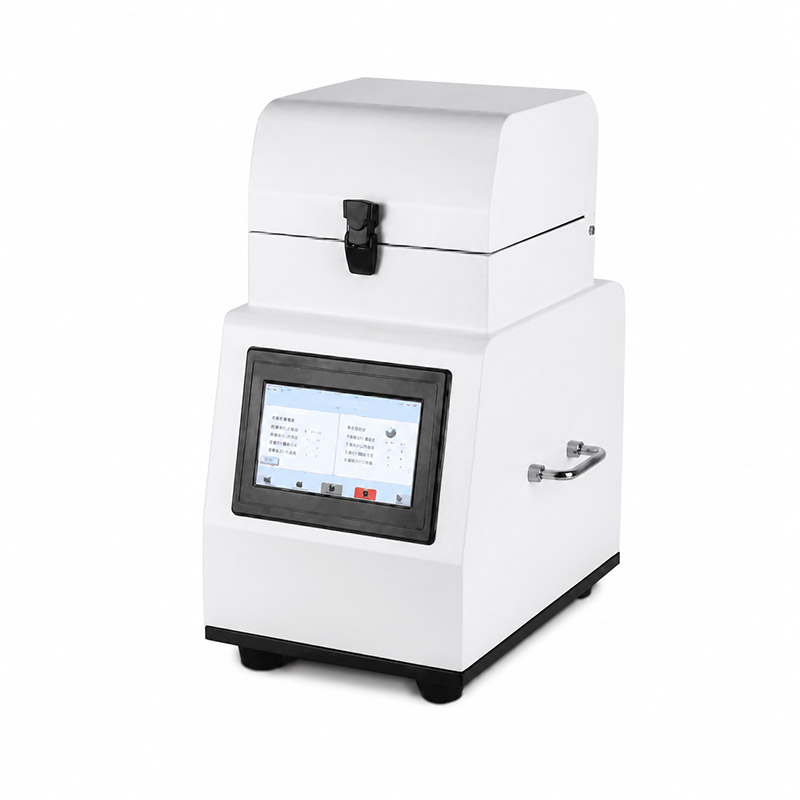
How Does a Multi Channel Tissue Grinder Work?
The core working principle of a multi channel tissue grinder is based on high-speed bead beating. The instrument rapidly oscillates a clamping platform that holds sealed sample tubes containing the tissue, grinding beads (typically made of zirconia, stainless steel, or glass), and an appropriate lysis buffer. The high-frequency motion causes the beads to collide with the tissue, effectively shearing and disrupting cells, fibers, and connective tissues.
Key mechanical features include:
- High-frequency vibration or oscillation: The amplitude and frequency can be adjusted to suit different sample types. For example, soft tissues like liver or brain require lower intensity, while tough samples like plant stems or seeds need higher energy.
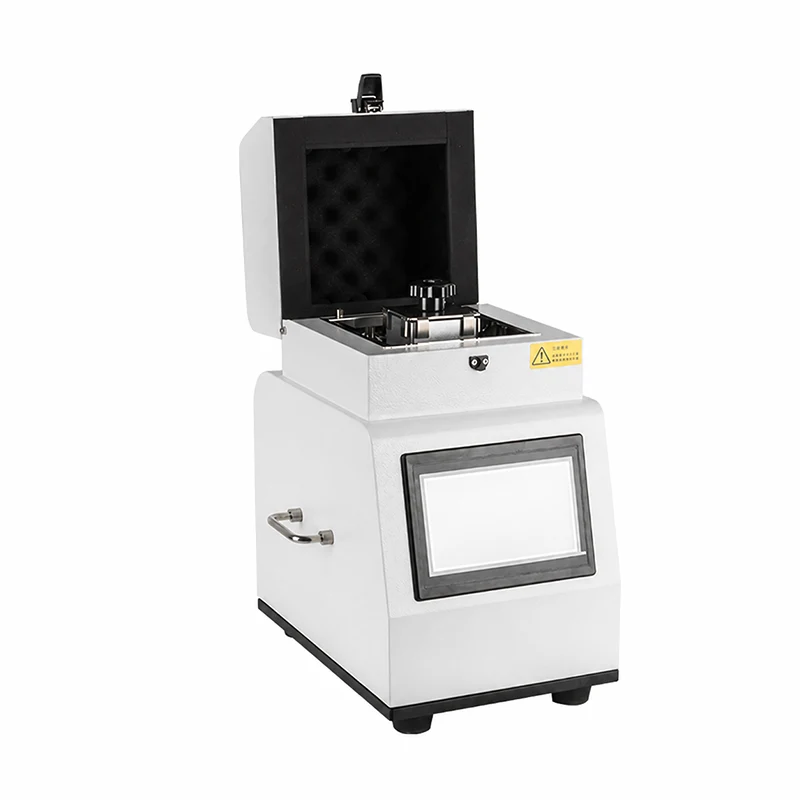
- Multi-tube clamping system: Most models can accommodate various tube formats, such as 2 mL, 5 mL, 15 mL, and 50 mL centrifuge tubes, as well as deep-well plates.
- Programmable operation: Users can set oscillation time, speed, and pause cycles to optimize the grinding process for specific applications.
- Cooling capability: Many systems support pre-cooling or continuous cooling using liquid nitrogen or a built-in cooling adapter, which is essential for heat-sensitive samples like RNA-rich tissues.
This design ensures that the grinding energy is evenly distributed across all samples, providing excellent reproducibility from tube to tube.
Key Advantages of Using a Multi Channel Tissue Grinder
1. High Throughput and Time Efficiency
Depending on the model, a multi channel tissue grinder can process 24, 48, 96, or even 192 samples in a single run. The entire operation typically completes within 1 to 3 minutes, dramatically reducing the time required for sample preparation.
2. Consistent Results and Reproducibility
Because all samples are processed under identical mechanical conditions, the variability between replicates is minimized. This is crucial for studies that require statistical significance, such as gene expression analysis or biomarker discovery.
3. No Cross-Contamination
Each sample is contained in its own sealed tube or well. The grinding beads are confined within the tube, eliminating the risk of sample mixing. This is a major advantage over blade-based homogenizers, which require thorough cleaning between runs.
4. Versatility Across Sample Types
A multi channel tissue grinder can handle a wide range of materials:
- Animal tissues: brain, heart, liver, kidney, muscle, skin, etc.
- Plant tissues: leaves, roots, seeds, fruits, stems.
- Microorganisms: bacteria, yeast, fungi.
- Hard materials: bones, seeds, insect exoskeletons.
- Soft materials: cultured cells, biopsies, embryos.
5. Preservation of Nucleic Acid and Protein Integrity
The rapid, low-temperature operation helps maintain the integrity of DNA, RNA, and proteins. Many protocols recommend pre-cooling the tubes and adapters to avoid heat-induced degradation.
Common Applications in Research and Industry
The multi channel tissue grinder has become a standard tool in many laboratories. Here are some typical use cases:
| Field | Application |
|---|---|
| Molecular Biology | DNA/RNA extraction from tissues for PCR, qPCR, sequencing |
| Proteomics | Protein extraction for Western blot, mass spectrometry |
| Pharmacology | Drug metabolism studies, tissue distribution analysis |
| Food Safety | Pesticide residue analysis, pathogen detection in food products |
| Environmental Science | Soil and plant contamination analysis |
| Agricultural Research | Genotyping of crops, plant disease diagnosis |
| Clinical Diagnostics | Tissue biopsy homogenization for molecular pathology |
How to Choose the Right Multi Channel Tissue Grinder
Selecting the best model for your laboratory depends on several factors. Here are the key considerations:
1. Sample Throughput per Run
Estimate the number of samples you typically process daily. If you handle fewer than 24 samples, a compact model with 24-tube capacity may suffice. For high-throughput labs, consider a 96-well plate-compatible system or a model that can process up to 192 samples.
2. Tube and Adapter Compatibility
Check what tube sizes and types the instrument supports. Most multi channel tissue grinders offer interchangeable adapters for 2 mL, 5 mL, 15 mL, and 50 mL tubes. Some also accept deep-well plates (96-well, 384-well) for micro-scale processing.
3. Speed and Amplitude Control
Adjustable speed and amplitude allow you to fine-tune the grinding intensity. For example, fragile cells may require lower speed, while tough plant fibers need higher energy. Look for a model with a wide adjustment range (typically 1000–2000 oscillations per minute).
4. Cooling Capability
If you work with RNA, enzymes, or other heat-sensitive molecules, a built-in cooling system or the ability to pre-cool the adapter in liquid nitrogen is essential. Some models offer a dedicated cryogenic adapter that can be chilled to -196°C.
5. Noise Level and Safety
High-speed bead beating can be noisy. Check the decibel rating and consider placing the instrument in a soundproof enclosure. Safety interlocks that stop the motor when the lid is opened are also important for protecting users.
6. Ease of Cleaning and Maintenance
The clamping platform and adapters should be easy to remove and clean. Stainless steel or anodized aluminum surfaces are preferred for durability and chemical resistance.
Practical Tips for Optimal Grinding Performance
To achieve the best results with your multi channel tissue grinder, keep these points in mind:
- Use appropriate bead material and size: Zirconia beads are suitable for most tissues; stainless steel beads are better for hard samples like bone. Bead diameters typically range from 0.1 mm to 5 mm. Smaller beads (0.1–1 mm) are ideal for fine grinding and cell disruption; larger beads (3–5 mm) are for coarse homogenization.
- Optimize the bead-to-sample ratio: A common starting point is to fill about one-third of the tube volume with beads and add enough buffer to cover the tissue. Adjust based on sample toughness.
- Monitor temperature: For long grinding cycles (more than 2 minutes), pause the run to let the samples cool, or use a pre-cooled adapter to prevent heat buildup.
- Balance the load: Ensure the tubes are symmetrically placed in the adapter to avoid excessive vibration and noise.
- Pre-chill the tubes: For RNA extraction, pre-cool the tubes and beads in liquid nitrogen before adding the sample and buffer. This helps minimize RNA degradation.
Multi Channel Tissue Grinder vs. Traditional Methods
Let us briefly compare the multi channel tissue grinder with other common homogenization techniques:
| Method | Throughput | Reproducibility | Cross-Contamination | Time per Sample |
|---|---|---|---|---|
| Manual mortar & pestle | 1 sample at a time | Low | High | 5–10 minutes |
| Blade homogenizer | 1 sample at a time | Medium | Medium (requires cleaning) | 1–2 minutes |
| Dounce tissue grinder | 1 sample at a time | Medium | Low | 2–5 minutes |
| Multi channel tissue grinder | 24–192 samples per run | High | Very low (sealed tubes) | 1–3 minutes per batch |
As you can see, the multi channel tissue grinder offers significant advantages in throughput, consistency, and contamination control, making it the preferred choice for laboratories that process large numbers of samples.
Final Thoughts on Selecting a Multi Channel Tissue Grinder
Investing in a multi channel tissue grinder can dramatically improve your lab's workflow efficiency and data quality. Whether you are extracting nucleic acids for next-generation sequencing, performing protein analysis, or conducting environmental monitoring, this equipment provides the speed, consistency, and versatility you need.
When evaluating different models, consider your typical sample volume, tube preferences, and the need for cooling. If you are unsure which configuration suits your work, it is helpful to discuss your specific applications with the equipment supplier. They can recommend the appropriate bead size, adapter type, and operating parameters based on your sample characteristics.
For detailed specifications and pricing information on our multi channel tissue grinder, please visit the product page. Our team of application engineers is also available to answer your technical questions and help you optimize your sample preparation protocols.