
Corundum Planetary Mill Jar: A Practical Guide for Material Scientists and Engineers
Why Jar Material Matters in Planetary Ball Milling
When you plan a grinding experiment with a planetary ball mill, one of the first decisions you face is selecting the right grinding jar. The jar material directly influences the purity of the final powder, the efficiency of size reduction, and the overall cost of the process. For many researchers working with ceramic powders, minerals, battery materials, or catalysts, contamination from the jar is a major concern. Metal ions from stainless steel or chromium from hardened steel can alter the chemical composition of your sample, especially when you need high-purity results.
This is where a corundum planetary mill jar becomes a practical choice. Made from high-purity alumina (Al₂O₃, typically 92–99% or higher), corundum jars offer excellent wear resistance, chemical inertness, and minimal contamination for a wide range of materials. In this guide, we will walk through the properties, applications, and selection considerations for corundum grinding jars, so you can make an informed decision for your lab.
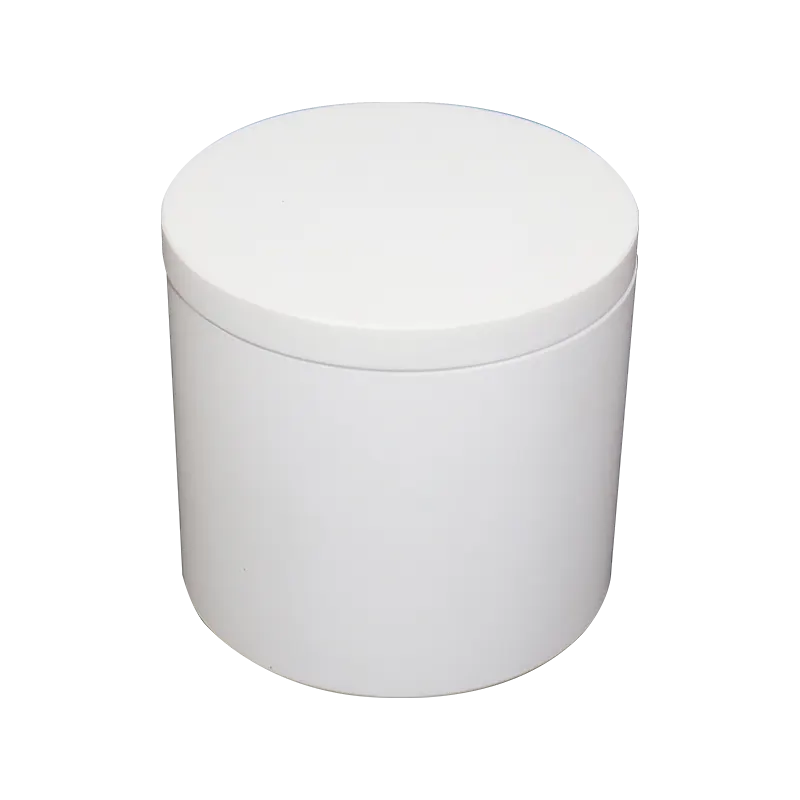
What Is a Corundum Planetary Mill Jar?
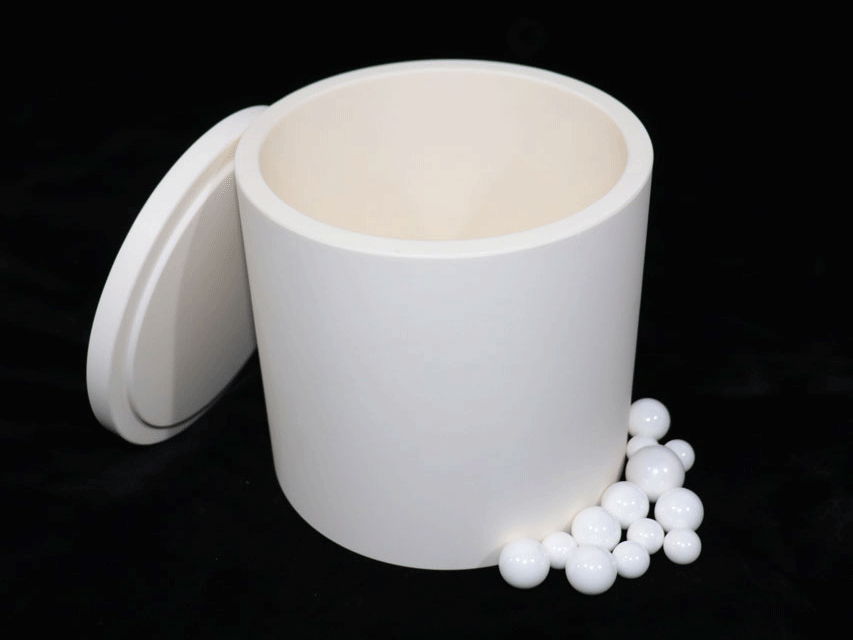
Corundum is the natural crystalline form of aluminum oxide (Al₂O₃). In the context of laboratory grinding jars, corundum refers to a high-density, sintered alumina ceramic with a hardness of about 9 on the Mohs scale – second only to diamond. A corundum planetary mill jar is a cylindrical container typically made by pressing and sintering high-purity alumina powder into a dense, non-porous body. The jar is then machined to precise dimensions to fit standard planetary ball mill holders.
Key physical properties of a typical corundum jar include:
- Density: Approximately 3.6–3.9 g/cm³, depending on the alumina content and sintering process.
- Hardness: Mohs 9, making it highly resistant to scratching and abrasion.
- Compressive strength: Typically >2000 MPa, allowing it to withstand the high impact forces inside a planetary mill.
- Chemical resistance: Inert to most acids, alkalis, and organic solvents at room temperature.
- Temperature stability: Can withstand continuous use up to 1500–1700°C, though in ball milling applications the jar temperature rarely exceeds 100°C.
These properties make corundum an excellent choice for grinding materials where metallic contamination is unacceptable, such as electronic ceramics, pharmaceutical compounds, and advanced battery materials.
Advantages of Using a Corundum Grinding Jar
1. Low Contamination
Unlike stainless steel or steel jars, a corundum jar does not release iron, chromium, or nickel into your powder. The alumina surface is extremely hard and wears slowly, so the amount of aluminum oxide that could potentially be abraded into the sample is very low – typically in the range of parts per million if the jar is used properly. For many applications, trace alumina is acceptable or even beneficial (e.g., when grinding alumina-based ceramics). If you need zero contamination from any metal, corundum is a safer option than metallic jars.
2. High Wear Resistance
Corundum has excellent abrasion resistance. Even when grinding hard materials like quartz, silicon carbide, or zirconia, the jar wall wears at a very slow rate. This means the jar maintains its internal volume and shape over many cycles, providing consistent grinding results. In many laboratory applications, a corundum jar can last for hundreds of hours of operation before showing significant wear.
3. Chemical Inertness
Alumina is chemically stable in most environments. You can safely grind acidic or alkaline samples, as well as materials that react with metals. For example, when grinding sulfides, phosphates, or fluorides, a corundum jar prevents unwanted reactions with the jar wall.
4. Cost-Effectiveness
Compared to other high-performance ceramic jars like zirconia (Y₂O₃-stabilized) or silicon nitride, corundum jars are significantly more affordable. For many labs, the balance between performance and price makes corundum the most practical choice. If you do not need the extreme hardness of zirconia or the impact toughness of tungsten carbide, a corundum jar will serve you well.
Typical Applications of Corundum Planetary Mill Jars
Researchers and engineers use corundum jars in a wide variety of fields. Here are some common scenarios:
- Ceramic and refractory materials: Grinding of alumina, mullite, cordierite, spinel, and other oxide-based ceramics. Because the jar material is chemically similar, contamination is minimal and often does not affect the final product.
- Minerals and ores: Grinding of quartz, feldspar, kaolin, bentonite, limestone, and other industrial minerals. The high hardness of corundum resists wear from silica-based materials.
- Battery materials: Preparation of lithium iron phosphate (LiFePO₄), lithium cobalt oxide (LiCoO₂), and solid electrolyte powders. Metal contamination can degrade battery performance, so a ceramic jar is preferred.
- Catalysts and pigments: Grinding of catalyst supports, metal oxides, and organic pigments. Corundum does not introduce catalytic poisons like iron.
- Pharmaceutical compounds: When grinding active pharmaceutical ingredients (APIs) or excipients, corundum jars provide a clean, non-reactive environment.
- Mechanical alloying: For certain oxide dispersion strengthened (ODS) alloys, corundum jars can be used if the alloy system tolerates trace alumina. However, for most metal powder systems, a stainless steel or tungsten carbide jar is more common.
Selecting the Right Corundum Jar for Your Planetary Mill
When choosing a corundum planetary mill jar, several factors need to be considered to ensure compatibility with your equipment and experimental requirements.
Capacity and Volume
Corundum jars are available in common sizes such as 50 mL, 100 mL, 250 mL, 500 mL, and 1 L. The actual usable volume is typically about 60–70% of the nominal capacity, because you need to leave space for the grinding balls and the sample movement. For example, a 250 mL jar can comfortably process about 30–50 g of material depending on density. If you are planning large-scale experiments, consider multiple jars or a larger mill.
Sealing and Atmosphere Control
Many planetary ball mills offer vacuum or inert gas grinding capabilities. Corundum jars can be supplied with a lid that has a rubber O-ring or a metal seal to create an airtight environment. If you need to grind air-sensitive materials (e.g., lithium metal, sulfides, or hydrides), ensure the jar and lid are designed for vacuum or inert gas purging. The corundum body itself is non-porous, so the sealing is the critical factor. Check with the manufacturer whether the jar comes with a sealing kit compatible with your mill.
Compatibility with Your Mill
Different planetary mill models have different jar mounting systems – some use a single clamping screw, others use a bayonet or locking mechanism. The external dimensions of the corundum jar must match the holder of your mill. Most suppliers offer jars that fit common brands, but it is always wise to confirm the diameter, height, and locking slot dimensions before ordering. For example, a jar designed for a mill with a 100 mm diameter holder will not work with a 120 mm holder.
Matching Grinding Balls
For best results, use grinding balls made of the same material as the jar – i.e., alumina (corundum) balls. This minimizes cross-contamination and ensures similar wear rates. If alumina balls are not available, yttria-stabilized zirconia balls are a good alternative because they are also ceramic and hard. Avoid using steel balls in a corundum jar, as the steel can cause chipping of the jar wall and introduce heavy contamination.
Practical Tips for Using Corundum Jars
Based on common laboratory experience, here are some guidelines to help you get the best performance from your corundum planetary mill jar:
- Ball-to-powder ratio: A typical starting point is around 5:1 to 10:1 by weight. For example, 10 g of sample with 50–100 g of grinding balls. Adjust based on the material hardness and target fineness.
- Charge volume: Fill the jar with grinding balls to about 30–50% of its volume. The sample powder should occupy the voids between the balls, so the total charge (balls + sample) should not exceed 70% of the jar volume.
- Rotation speed: Corundum jars can withstand the high-speed rotation of most planetary mills (typically 200–600 rpm). However, if you are using a very large jar or heavy balls, reduce the speed to avoid excessive stress on the jar.
- Wet vs. dry grinding: Corundum jars work well for both dry and wet grinding. For wet grinding, common solvents are water, ethanol, isopropanol, or acetone. Ensure the solvent is compatible with the O-ring material if the jar is sealed.
- Cleaning: After use, clean the jar with water or a suitable solvent and a soft brush. Avoid using abrasive cleaners that could scratch the internal surface. For stubborn residues, soak in a mild acid (e.g., 10% nitric acid) or use ultrasonic cleaning.
Comparing Corundum with Other Jar Materials
To help you decide, here is a quick comparison of corundum jars with other common options:
| Material | Hardness (Mohs) | Contamination Risk | Cost | Best For |
|---|---|---|---|---|
| Corundum (Al₂O₃) | 9 | Very low (Al) | Low to medium | Ceramics, minerals, battery materials, catalysts |
| Stainless steel (304/316) | ~5 | Fe, Cr, Ni | Low | Soft materials, general purpose when metal contamination is acceptable |
| Zirconia (Y₂O₃-stabilized) | 8.5 | Very low (Zr, Y) | Medium to high | High-purity grinding, hard materials, nano grinding |
| Tungsten carbide | 9.5 | W, Co | High | Extremely hard materials, mechanical alloying |
| Agate (SiO₂) | 7 | Very low (Si) | Low | Soft materials, traditional grinding (but brittle) |
As you can see, corundum offers a balanced combination of hardness, low contamination, and affordability. For many labs, it is the default choice for ceramic and mineral processing.
Final Thoughts
Selecting the right grinding jar is a small but critical step in the success of your planetary ball milling experiment. A corundum planetary mill jar provides a reliable, low-contamination, and cost-effective solution for a wide range of materials. Whether you are developing new ceramic formulations, processing battery electrode materials, or preparing mineral samples for analysis, a corundum jar can help you achieve consistent and pure results.
If you are unsure about which jar material or size is best for your specific application, we recommend contacting the technical support team of TENCAN. They can help you evaluate your sample requirements, recommend the appropriate jar and grinding media, and provide initial parameter suggestions for your experiments. With the right jar and proper procedures, you can maximize the efficiency and reproducibility of your planetary ball milling work.