
TENCAN Concludes JASIS 2026 Japan | Laboratory Powder Processing Insights
TENCAN Concludes JASIS 2026 in Japan: From Equipment Display to Real Powder Processing Discussions
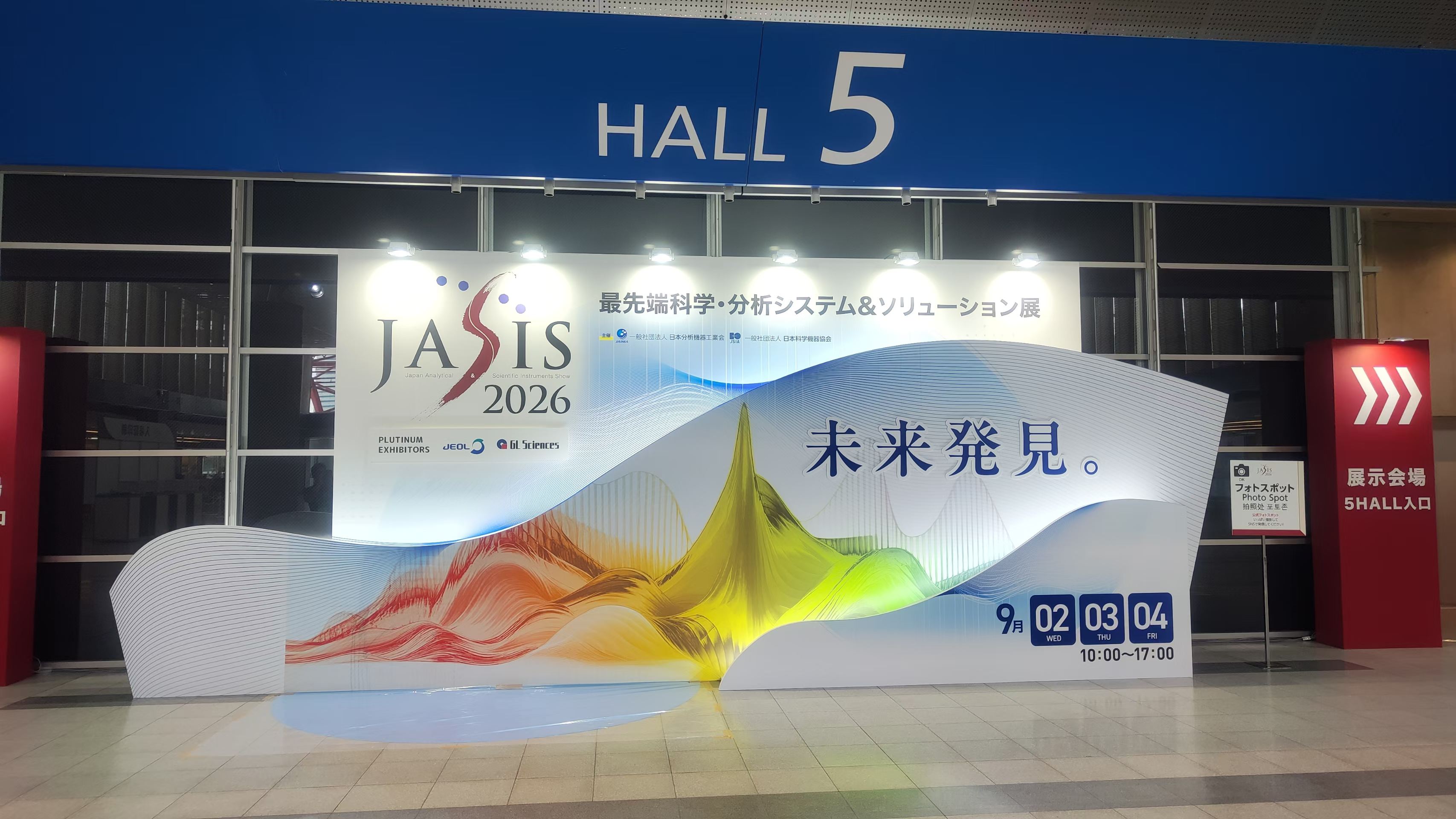
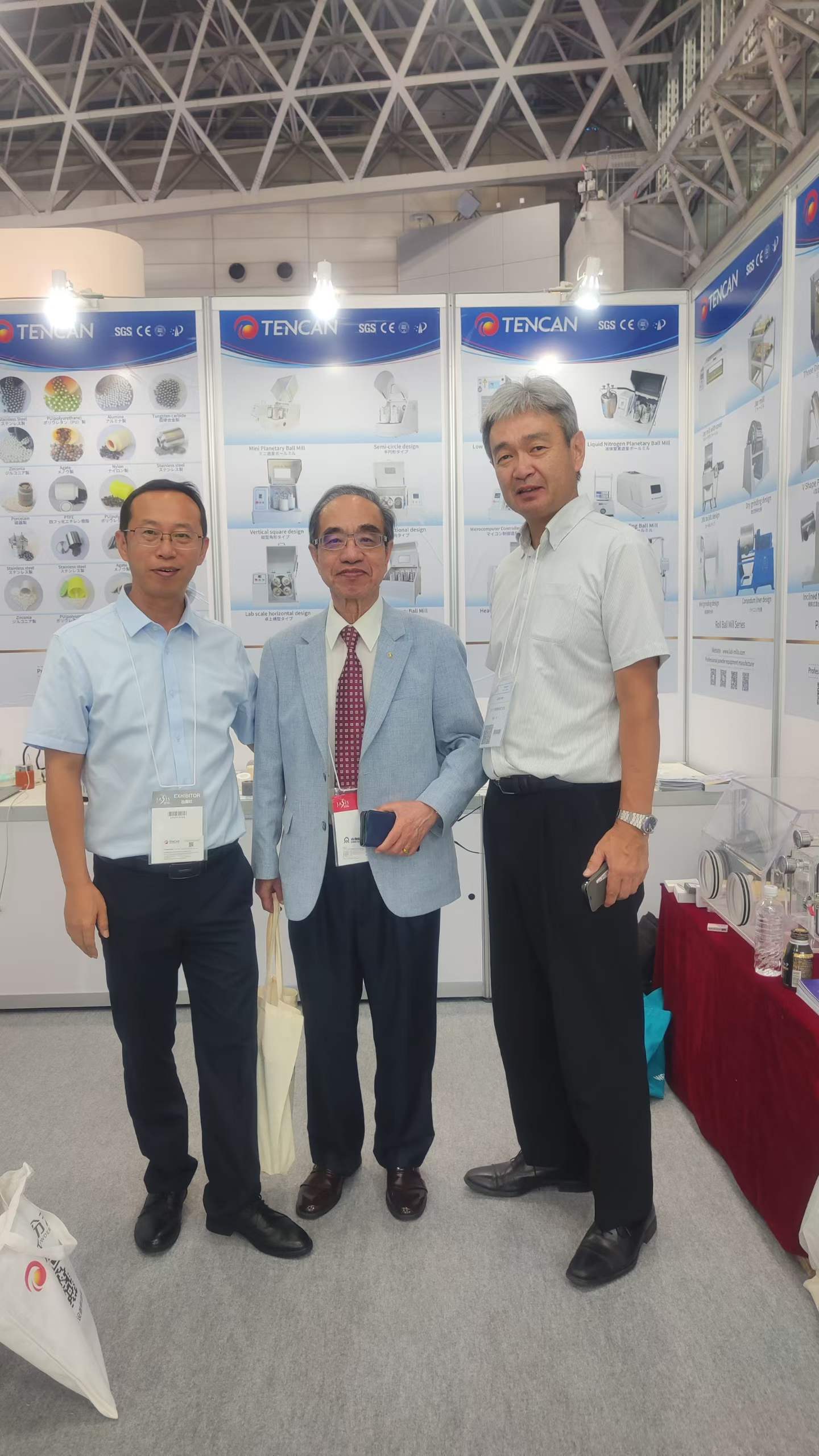
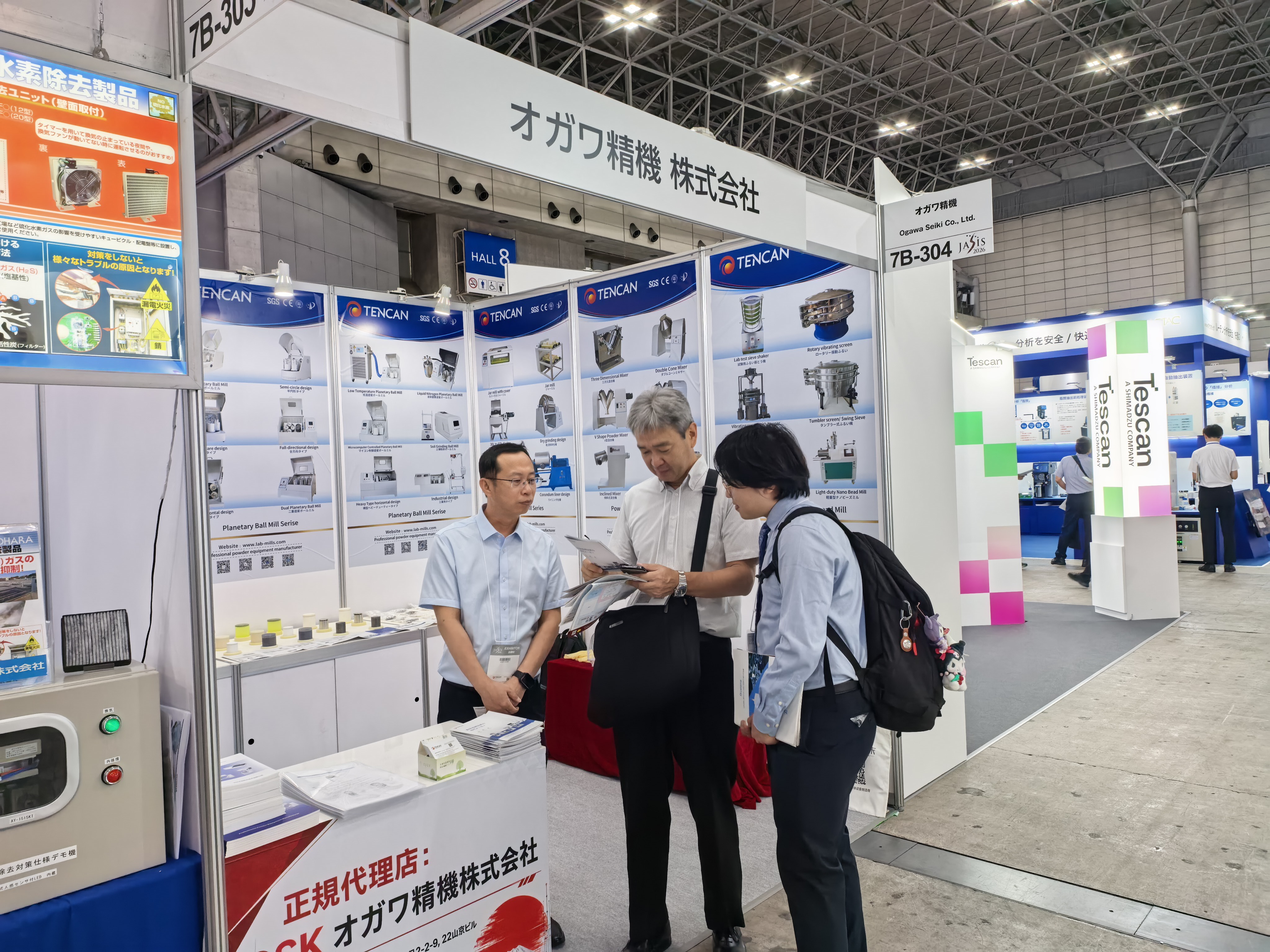
JASIS 2026 has come to a close at Makuhari Messe, Japan. From September 2 to September 4, TENCAN met with laboratory users, researchers, engineers and visitors interested in powder grinding, mixing, sieving and material preparation at Booth 7B-304.
Three exhibition days passed quickly, but the conversations left a much clearer impression than the machines on display.
Visitors did not simply ask, “How much does this ball mill cost?” Many discussions went directly into the details that really determine whether a laboratory powder process will work: material hardness, initial particle size, target fineness, contamination control, grinding jar selection, sample quantity, temperature rise and atmosphere protection.
That is exactly what we hoped to see at JASIS.
The Most Valuable Part of the Exhibition Was the Technical Conversation
Powder processing equipment can look simple when viewed from the outside. A planetary ball mill rotates. A roll mill turns a jar. A vibration mill transfers energy through high-frequency movement. A mixer blends different powders.
But once a real material enters the process, the situation changes.
A brittle ceramic powder and a ductile metal powder do not respond to impact in the same way. A mineral sample may tolerate a certain level of wear contamination, while a battery material or electronic material may require much stricter control over the elements introduced by the grinding system.
During the exhibition, this difference became the starting point for many discussions.
Instead of beginning with a machine model, the more useful questions were: What material are you processing? How much sample do you have? What is the current particle size? What result are you trying to achieve?
Once those questions are clear, equipment selection becomes much more meaningful.
Grinding Jars and Media Drew More Attention Than Their Size Suggests
One of the areas that attracted practical interest at the booth was the display of grinding jars and grinding media.
For anyone new to laboratory ball milling, these components can easily look like accessories. In real experiments, they are part of the grinding system itself.
Stainless steel, zirconia, alumina, agate, tungsten carbide, nylon, polyurethane and PTFE each have different characteristics in hardness, density, wear resistance and chemical compatibility. The choice affects not only grinding efficiency but also contamination risk and experimental repeatability.
For example, a harder and denser grinding media may provide stronger impact, but that does not automatically make it the correct choice for every sample. If the material is sensitive to metallic contamination, the chemical influence of wear debris may matter more than maximum impact energy.
Grinding ball size creates another variable. As a practical reference, larger balls such as 10–20 mm can provide stronger impact and are often useful for relatively coarse feed. Smaller media around 1–5 mm provide more contact points and may be more suitable for fine grinding, mixing or dispersion.
The important point is not to choose the largest or hardest ball available. The media should match the material and the purpose of the experiment.
Final Particle Size Is a Process Result, Not Just a Machine Specification
A familiar question also appeared repeatedly during JASIS: “How fine can this mill grind?”
It is one of the most natural questions for a laboratory user, but it is also one of the easiest questions to oversimplify.
The final particle size normally depends on several variables working together, including material hardness and brittleness, feed particle size, rotational speed, grinding time, ball-to-powder ratio, grinding ball diameter, jar material, dry or wet conditions, temperature rise and powder agglomeration.
This means that two materials processed in the same machine can produce very different results.
Jar filling is a good example. In many laboratory planetary milling applications, grinding media may occupy approximately 30%–50% of the internal jar volume as an initial engineering reference. But more media does not necessarily mean better grinding.
If the jar is packed too tightly, the balls may not have enough space to accelerate and collide effectively. If the powder loading is too high, grinding efficiency may decrease. If the amount is too small, repeatability can also become difficult.
Temperature deserves the same attention. High-energy milling can generate heat, especially during long operating cycles. For heat-sensitive materials, intermittent operation may be tested, for example running for approximately 10–20 minutes followed by a cooling period of around 5–10 minutes.
These values are only practical starting references. The actual conditions should be adjusted according to the material and measured temperature behavior.
Many Visitors Were Looking for a Process, Not a Single Machine
Another clear takeaway from the exhibition was that laboratory users are increasingly looking at the whole powder preparation route.
A sample may need crushing before it enters a ball mill. After grinding, it may require sieving. Several powders may need controlled mixing before pressing or sintering. Air-sensitive or moisture-sensitive materials may need to remain protected during transfer and processing.
In these cases, asking “Which machine should I buy?” is only the beginning.
The more useful question becomes: “How should this material move through the entire preparation process?”
For certain battery materials, active metal powders, solid-state electrolyte materials and other reactive samples, this may involve considering jar sealing, vacuum or inert-gas protection, contamination control and safe material transfer together with the grinding process.
This is also why laboratory equipment selection should not be based only on nominal capacity or motor power. A machine has to fit into the complete experimental workflow.
JASIS Ends, but the Technical Work Continues
JASIS 2026 gave TENCAN the opportunity to meet users face to face and hear powder processing questions directly from the laboratory.
Some visitors were comparing different milling methods. Some were concerned about grinding jar materials. Others wanted to understand why a powder agglomerates after extended milling, how to reduce contamination, or how to choose a suitable configuration for a new material.
These questions are valuable because they remind us that powder processing is rarely solved by one parameter.
Before recommending equipment, the most useful information normally includes the material composition, initial particle size, target particle size, batch quantity, dry or wet processing requirement, contamination limits, preferred contact material, atmosphere requirement, daily operating time, voltage and frequency.
With this information, engineers can begin narrowing down the equipment type, jar capacity, jar material, grinding media, ball size and suitable starting conditions for testing.
The exhibition may have finished, but the discussions started in Japan do not end at the booth.
For TENCAN, the value of JASIS 2026 was not simply showing laboratory powder processing equipment. It was the opportunity to sit down with people who work with real materials, listen to the problems behind their experiments, and turn those problems into more practical equipment and process decisions.
Thank you to everyone who visited TENCAN at Booth 7B-304 during JASIS 2026. We look forward to continuing the technical discussions that began in Japan and helping more laboratories find powder processing methods that better match their materials, experiments and research goals.