Soil Grinder and Sieve Machine: A Practical Guide for Laboratory Sample Preparation
Preparing soil samples for analysis is a fundamental step in environmental testing, geochemical research, and agricultural studies. If you have ever tried to manually grind dried soil with a mortar and pestle and then pass it through a stack of sieves, you know how time‑consuming and inconsistent the process can be. A dedicated soil grinder and sieve machine integrates both grinding and particle size separation into a single, automated system, delivering reproducible results and saving valuable lab time.
In this guide, we will look at how these machines work, what materials they can handle, and what you should consider when selecting one for your laboratory. Whether you are running a soil testing lab, a university research group, or a mineral processing facility, understanding this equipment will help you make a more informed choice.
What Is a Soil Grinder and Sieve Machine?
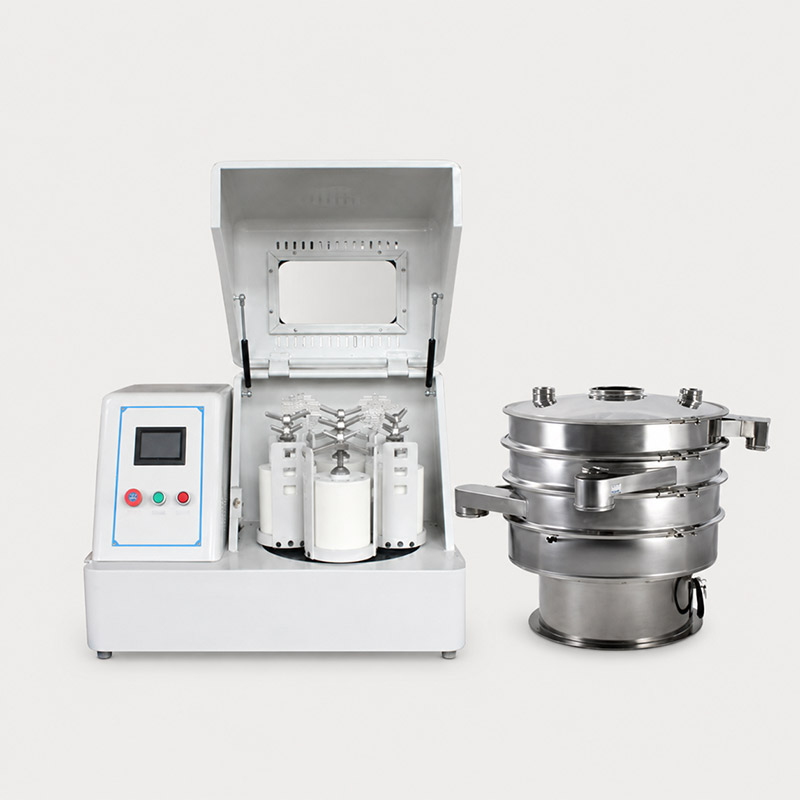
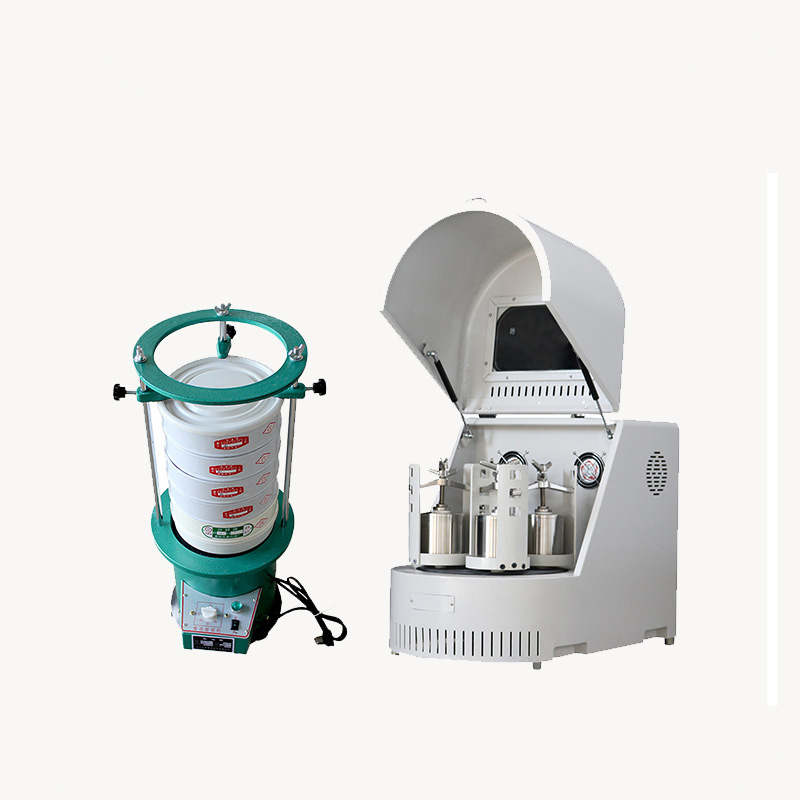
A soil grinder and sieve machine is essentially a specialized planetary ball mill combined with a sieving function. The machine uses the planetary motion principle: a main disk (sun wheel) rotates, while several grinding jars (planets) rotate in the opposite direction on their own axes. This creates high‑energy impacts and friction between the grinding balls and the soil particles, breaking down agglomerates and reducing particle size.
What sets it apart from a conventional planetary ball mill is the integrated sieve system. After grinding, the powder can be discharged through a built‑in sieve or be transferred to a separate sieving unit. Some models allow continuous operation where oversize particles are returned for further grinding, while the fine fraction passes through the sieve and is collected. This closed‑loop design eliminates the need for manual sieving and improves workflow efficiency.
Working Principle of a Soil Grinder and Sieve Machine
The grinding action in a soil grinder and sieve machine is identical to that of a standard planetary ball mill. The grinding jars, typically made of materials such as stainless steel, agate, zirconia, or tungsten carbide, are filled with a portion of grinding balls (usually 30‑50% of the jar volume by volume) and the soil sample. As the jars rotate, the balls are lifted and then fall, creating repeated collisions and shear forces that fracture the soil particles.
The key difference lies in the discharge mechanism. In many laboratory soil grinders, a sieve (e.g., 2 mm, 0.5 mm, or 0.1 mm mesh) is installed at the bottom of the grinding chamber or in a separate compartment. Once the material reaches the desired fineness, it passes through the sieve and is collected in a removable container. Coarse particles that cannot pass are retained and subjected to further grinding until they are fine enough.
This combination of planetary ball milling and in‑line sieving ensures that the final product has a defined maximum particle size, which is critical for downstream analyses such as X‑ray fluorescence (XRF), digestion for heavy metals, or particle size distribution tests.
Applications of Soil Grinder and Sieve Machines
These machines are primarily used in laboratories that handle geological, environmental, and agricultural samples. Common applications include:
- Soil and sediment analysis – grinding dried soil to < 2 mm or < 0.5 mm for chemical analysis.
- Rock and mineral processing – reducing rock chips or drill core samples for mineralogical studies.
- Ceramic and raw material preparation – crushing and sieving clay, feldspar, or quartz for small‑scale production.
- Pharmaceutical and food testing – grinding and classifying dry plant material or seeds.
Because the machine can operate in both dry and wet modes, it is also suitable for slurries and suspensions, although dry grinding is more common for soil preparation.
Key Factors to Consider When Choosing a Soil Grinder and Sieve Machine
1. Sample Capacity and Jar Volume
Laboratory soil grinders are available in different sizes, from small units that process a few grams to larger models handling several kilograms per batch. The jar volume directly determines the maximum sample weight. For routine soil analysis, a 2‑4 liter total jar capacity (across 2 or 4 jars) is often sufficient. Consider the number of samples you need to process per day – if throughput is high, a model with larger jars or continuous operation may be preferable.
2. Material of Grinding Jars and Balls
Contamination is a major concern when preparing samples for trace element analysis. Stainless steel jars introduce iron, chromium, and nickel. For most soil studies, agate (silica) is the preferred material because it has low wear and minimal contamination for silicate matrices. Zirconia is another good option for high‑hardness materials. Tungsten carbide jars are used when extremely hard samples (like quartz or corundum) need to be ground, but they can introduce tungsten and cobalt contamination.
3. Sieve Mesh Size and Exchangeability
The sieve mesh size determines the top cut of the final powder. Common mesh sizes for soil work are 10 mesh (2 mm), 35 mesh (0.5 mm), and 140 mesh (0.106 mm). Make sure the machine allows easy sieve change without tools, so you can quickly switch between different target particle sizes. Some models offer a vibrating sieve function to prevent blinding and improve efficiency.
4. Grinding Speed and Programmability
Planetary ball mills typically have variable speed control ranging from approximately 50 to 600 rpm. Softer soils may only need low speed to break agglomerates, while hard minerals require higher speeds. Programmable controls that allow forward/reverse rotation, pause intervals, and timed cycles help optimize the grinding process and prevent excessive temperature rise.
5. Safety and Dust Control
Soil samples often contain fine dust that can be hazardous. Look for a machine with a sealed grinding chamber and a dust‑collection port. An interlock system that stops the machine when the lid is opened is a standard safety feature. If you work with toxic or radioactive soils, a glove‑box compatible model might be necessary.
Practical Tips for Using a Soil Grinder and Sieve Machine
- Pre‑dry the soil – Moisture can cause agglomeration and clog the sieve. Oven‑dry at 105°C or air‑dry before grinding.
- Remove large debris – Stones, roots, and organic matter should be removed manually to protect the grinding jars and sieve.
- Use appropriate ball‑to‑powder ratio – A common starting point is 5:1 to 10:1 by weight. Heavier materials may need a higher ratio.
- Start with a short grinding cycle (e.g., 2‑5 minutes) and check the particle size. Over‑grinding can create excessive fines and heat, which may alter the sample chemistry.
- Clean thoroughly between samples to avoid cross‑contamination. Use a brush and compressed air, and run a cleaning batch of quartz sand if necessary.
Why Choose a Dedicated Soil Grinder and Sieve Machine?
Compared to using separate equipment (a mortar and pestle or a general‑purpose planetary ball mill followed by a manual sieve shaker), an integrated machine offers several advantages:
- Higher throughput – Grinding and sieving happen in one step, reducing handling and operator time.
- Better reproducibility – Automated process control ensures consistent conditions across batches.
- Reduced contamination – The closed system minimizes exposure to airborne particles and accidental mixing.
- Compact footprint – Combines two functions in one benchtop unit, saving valuable lab space.
At TENCAN, we have developed a range of soil grinding and sieving solutions that integrate planetary ball milling technology with precision sieving. Our machines are built with robust construction, corrosion‑resistant materials, and user‑friendly controls. Whether you need a standard model for routine soil analysis or a customized setup for special applications, we can help you configure the right system.
Before making a final decision, it is helpful to provide us with information about your typical sample material, target particle size, batch quantity, and any special requirements (such as vacuum or inert gas protection). This allows our engineers to recommend the most suitable jar material, ball size, and sieve configuration.
To learn more about the technical specifications of our soil grinder and sieve machine, please visit the product page.