
Small Shredder for Laboratory Sample Preparation: A Practical Guide to Pre-Crushing and Size Reduction
Why a Small Shredder Matters in Laboratory Powder Processing
When you work with bulk materials in the lab — whether it's agglomerated chemicals, brittle ceramics, dried plant matter, or plastic waste — one of the first challenges is reducing the initial particle size to a range your fine grinding equipment can handle. A small shredder is often the unsung hero of the sample preparation line. It bridges the gap between large, uneven feed materials and the controlled, uniform particles required for a laboratory ball mill or other downstream processing.
Without a proper pre-crushing step, you risk overloading your mill, damaging grinding jars, or wasting time on excessively long milling cycles. A small shredder turns that problem around: it quickly reduces coarse feed (often from several centimeters down to a few millimeters) in a matter of seconds, making your entire workflow more efficient and repeatable.
How a Small Shredder Works
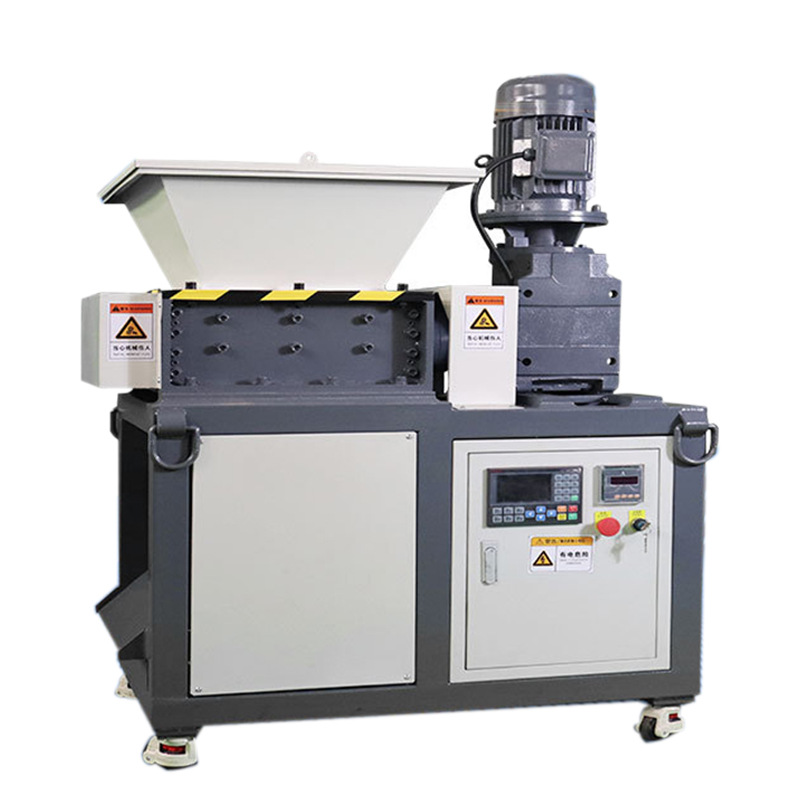
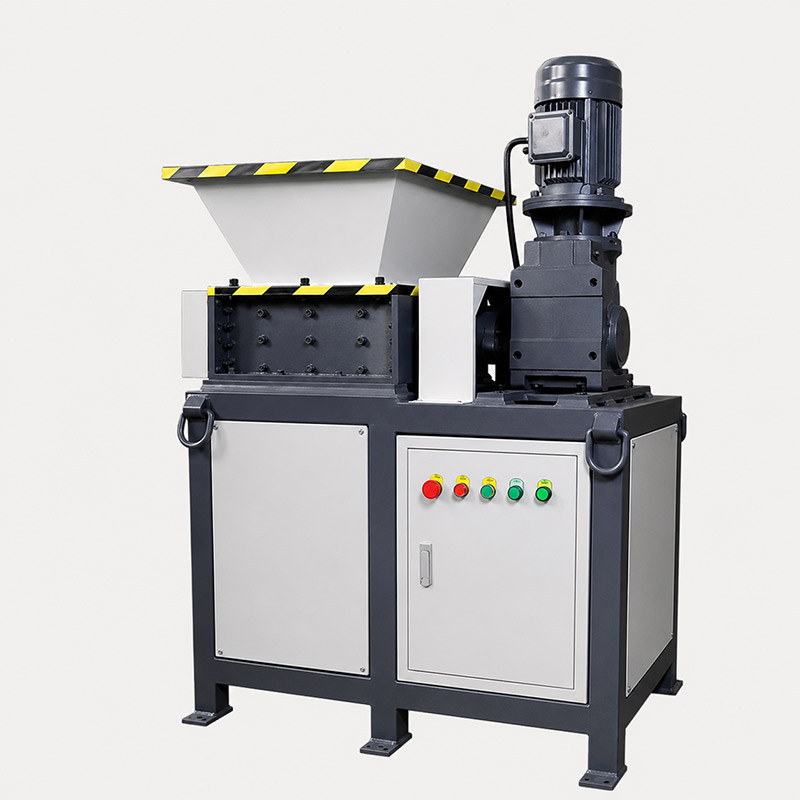
A small shredder operates on a simple but effective principle: rotating blades or hammers slice, shear, and impact the material until it passes through a screen or discharge opening. The internal chamber houses a set of sharp, durable blades mounted on a rotor. As the rotor spins at high speed, the blades repeatedly strike the feed material, breaking it into smaller fragments.
Most laboratory shredders allow you to adjust the final particle size by changing the screen mesh size. Screens with smaller openings yield finer particles, while larger openings produce a coarser output. This flexibility makes the small shredder adaptable to different sample types and downstream requirements.
Key Components of a Typical Lab Shredder
- Feed hopper: Safely guides material into the grinding chamber.
- Rotor with blades: The primary moving part that delivers cutting and impact forces.
- Screen or sieve: Determines the maximum particle size of the output.
- Collection bin or chute: Collects the shredded material.
- Motor and drive system: Provides the necessary power and speed.
Materials Suitable for a Small Shredder
One of the most common questions we hear is: "What materials can I process with a small shredder?" The answer depends on the hardness, brittleness, and moisture content of the sample. Here are typical categories:
Brittle and Hard Materials
Many minerals, ores, ceramics, and glass-like substances are well-suited for shredding. The impact and shear forces break them along natural fracture lines, producing relatively uniform fragments. For extremely hard materials (e.g., quartz, corundum), a lab jaw crusher may be a better first step, but a small shredder can still handle moderately hard samples.
Tough and Fibrous Materials
Dried plant stems, roots, leaves, and even some synthetic fibers can be shredded effectively. The sharp blades cut through fibers, reducing them to a manageable size. This is particularly useful in pharmaceutical, food, and agricultural research labs.
Plastics and Polymers
Small shredders are excellent for pre-crushing plastic pellets, waste plastic parts, or polymer films. A plastic crusher is a specialized variant, but a general-purpose small shredder can handle many thermoplastics (like PE, PP, ABS) without excessive heat buildup.
Agglomerated Powders
Sometimes, fine powders form lumps during storage or transportation. A quick pass through a small shredder breaks these soft agglomerates, restoring free-flowing properties before further processing.
Selecting the Right Small Shredder for Your Lab
Choosing a small shredder involves more than just picking the cheapest model. Here are the factors you should consider to ensure reliable and efficient sample preparation:
Feed Size and Capacity
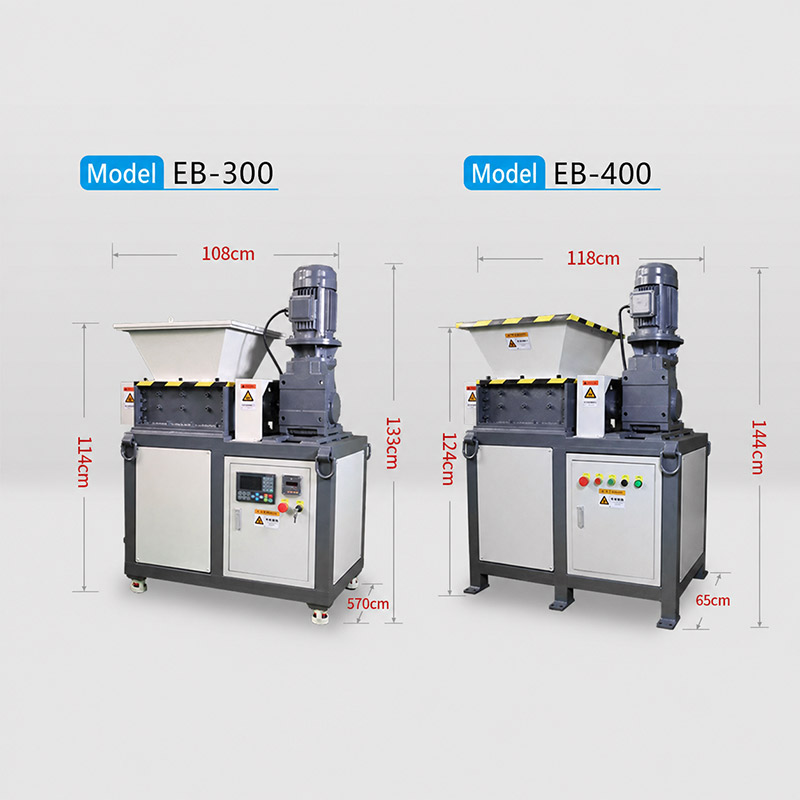
Check the maximum allowable feed size. Typical laboratory shredders accept pieces up to 20–50 mm in diameter. If your raw material is larger, you may need a double roll crusher or laboratory jaw crusher first. Also consider the throughput per batch — most lab shredders handle 50–500 grams per cycle, depending on the chamber volume.
Blade Material and Durability
Stainless steel blades are standard for most applications due to their corrosion resistance and ease of cleaning. For harder materials, tool steel or carbide-tipped blades may be required. The blade design (straight, stepped, or hooked) also affects the cutting action.
Motor Power and Speed
Motor power typically ranges from 0.5 kW to 2 kW in laboratory models. Higher power allows faster processing of tougher materials. Variable speed control is a valuable feature, as it lets you optimize the shredding speed for different sample types.
Safety Features
Laboratory safety is non-negotiable. Look for a shredder with a safety interlock that stops the rotor when the cover is opened. Overload protection and a stable base are also important to prevent accidents.
Noise and Dust Control
Shredding can be noisy and may generate fine dust. Some models come with sound-dampening enclosures, and a dust collection port can be attached to a vacuum system. For fine powders, a stainless steel dust-free crusher might be a better choice.
Practical Tips for Using a Small Shredder
Getting the best results from your small shredder requires a bit of technique. Here are some practical recommendations:
Pre-Cutting Large Pieces
If your feed material is larger than the recommended maximum size, use a hammer or a paddle mill to break it down first. Feeding oversized pieces can jam the rotor or damage the blades.
Cleaning Between Samples
To avoid cross-contamination, disassemble and clean the chamber and blades thoroughly after each sample. Stainless steel components are easy to wipe down with a brush or compressed air.
Screen Selection
Start with a larger screen to remove the bulk of the material quickly, then switch to a finer screen for a second pass if you need a smaller particle size. This two-step approach is often faster than trying to shred everything in one go.
Wet vs. Dry Shredding
Most small shredders are designed for dry materials. Processing wet or sticky samples can clog the screen and reduce throughput. If you need to shred moist materials, look for a model with a self-cleaning screen or a dedicated wet-grinding attachment.
Integrating the Small Shredder into Your Workflow
A well-planned sample preparation line often starts with a small shredder, followed by a multi-functional crusher for finer reduction, and finally a planetary ball mill or other fine grinding equipment. This cascade approach ensures each step works within its optimal particle size range, saving time and extending the life of your milling jars and grinding media.
For example, if you are preparing a ceramic powder for a battery material experiment, you might first shred large sintered chunks to about 5 mm, then use a stainless steel vibration crusher to reduce them further to 1 mm, and finally mill the powder to sub-micron size in a planetary ball mill.
Common Questions About Small Shredders
Can a small shredder handle metal samples?
Most laboratory shredders are not designed for hard metals. Soft metals like aluminum foil or thin copper wire can be shredded, but hard alloys will quickly dull the blades. For metal samples, a teeth roll crusher or hydraulic press may be more appropriate.
What is the typical output particle size?
With a fine screen, a small shredder can produce particles in the range of 1–5 mm. For finer powders, you need a ball mill or other fine grinding equipment.
How often should I replace the blades?
Blade life depends on the material processed. For abrasive materials like ceramics, blades may need sharpening or replacement after 50–100 hours of use. For softer materials, they can last hundreds of hours. Regular inspection and maintenance are important.
Making the Right Choice for Your Lab
When evaluating a small shredder, think about the types of materials you process most frequently, the required throughput, and your budget. A robust, easy-to-clean, and safe machine will serve you for years. If you are unsure about which model fits your needs, experienced manufacturers like TENCAN can provide technical guidance based on your specific material and application. They can help you determine the appropriate blade type, screen size, and motor power to achieve consistent results.
Remember, the goal of pre-crushing is not to achieve the final particle size, but to prepare a uniform feed for your fine grinding step. A reliable small shredder is an investment in the efficiency and reproducibility of your entire powder processing workflow.