
Laboratory Jaw Crusher: Working Principle, Applications, and How to Select the Right Model
Introduction
If you work in a materials laboratory, you have probably faced the challenge of reducing hard, brittle samples to a size suitable for further processing or analysis. A laboratory jaw crusher is one of the most reliable and straightforward tools for this first stage of size reduction. It uses a simple yet effective mechanical principle to crush a wide range of materials, from ores and minerals to ceramics and construction debris.
In this article, we will walk through how a jaw crusher works, what materials it can handle, and what you should consider when choosing a model for your lab. Whether you are setting up a new sample preparation line or upgrading existing equipment, this guide will help you understand the key factors that affect performance and selection.
How a Laboratory Jaw Crusher Works
A jaw crusher consists of two vertical plates, called jaws, that form a V-shaped crushing chamber. One jaw is fixed (the stationary jaw), while the other moves back and forth (the swing jaw). The swing jaw is driven by an eccentric shaft, which is powered by an electric motor through a belt and pulley system.
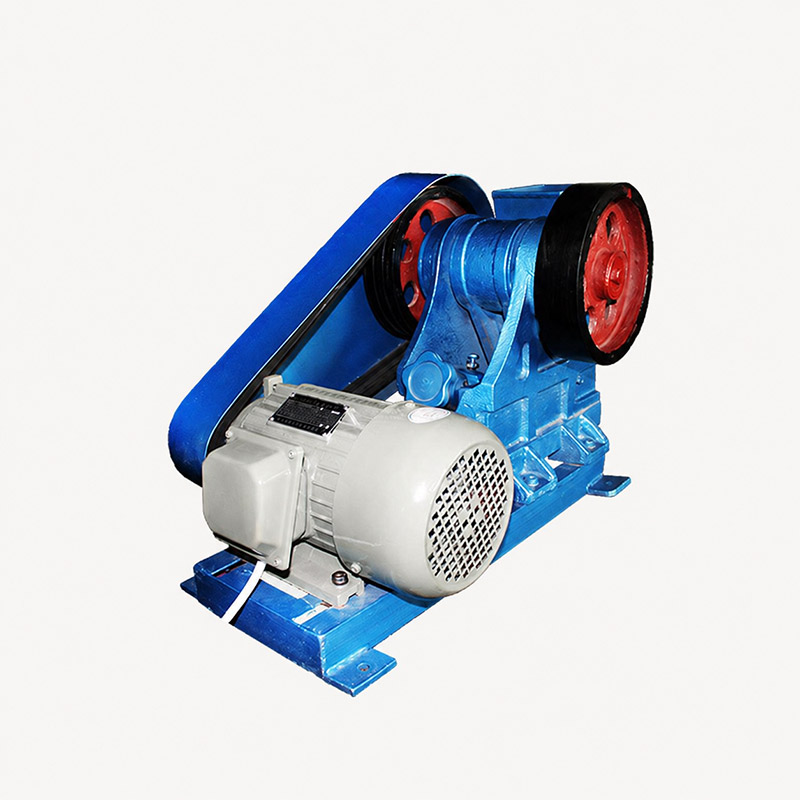
When the machine is running, the swing jaw moves toward the stationary jaw, compressing the material trapped between them. The crushing force is applied through a combination of compression, shearing, and bending. As the jaw moves away, the crushed material falls downward by gravity, and smaller particles exit through the adjustable discharge opening at the bottom. The cycle repeats continuously, producing a steady stream of crushed product.
The crushing action is intermittent, which means the machine does not need to generate a continuous high torque, making it energy-efficient compared to some other crusher types. The discharge opening can be adjusted by changing the position of the toggle plate or using a wedge mechanism, allowing you to control the final particle size within a certain range.
Key Features of Laboratory Jaw Crushers
Compact and Robust Design
Laboratory jaw crushers are built to be relatively small and portable, yet they must withstand the high forces generated during crushing. The frame is typically made of cast steel or high-quality cast iron, providing the necessary rigidity. The crushing jaws are usually lined with replaceable wear plates made of manganese steel or other abrasion-resistant alloys. This design ensures long service life even when processing hard materials like granite or quartz.
Adjustable Discharge Opening
One of the most important features is the ability to adjust the gap between the jaws at the bottom. This directly controls the maximum particle size of the product. In many lab models, the adjustment is done manually by turning a handwheel or using shims, giving you fine control over the output. Typical discharge openings range from a few millimeters to about 20 mm, depending on the model.
Feed Size and Capacity
Laboratory jaw crushers are designed to accept feed particles up to about 60–80 mm in size, depending on the model. The capacity is usually measured in kilograms per hour, and for lab units it typically ranges from 50 to 500 kg/h, making them suitable for batch or small continuous operations. The actual throughput depends on the material's hardness, moisture content, and the desired final particle size.
Safety and Dust Control
Modern lab jaw crushers often include safety features such as a protective cover over the belt and pulley, an emergency stop button, and a dust collection port to connect to a vacuum system. Some models are fully enclosed to minimize noise and dust emission, which is important for a comfortable laboratory environment.
Common Applications
Jaw crushers are used in a wide variety of industries and research fields. Here are some typical applications:
- Mining and Metallurgy: Crushing ore samples for assay, mineral processing test work, or metallurgical analysis.
- Geology and Geochemistry: Preparing rock and soil samples for XRF, XRD, or other analytical techniques.
- Ceramics and Glass: Breaking down raw materials such as feldspar, quartz, and clay before further grinding.
- Construction Materials: Crushing concrete, bricks, or asphalt for recycling studies or quality control.
- Chemical and Pharmaceutical: Occasionally used for hard, brittle chemicals or intermediates that require size reduction.
In many cases, the jaw crusher is the first step in a size reduction circuit, followed by a roll crusher, hammer mill, or ball mill for finer grinding. For example, if you need to produce a powder with a particle size below 100 microns, you would first use a jaw crusher to reduce the material to a few millimeters, then feed it into a planetary ball mill or a vibration mill.
How to Select a Laboratory Jaw Crusher
Choosing the right jaw crusher for your lab depends on several factors. Here is a checklist to guide your decision:
1. Material Hardness and Abrasiveness
Consider the Mohs hardness of your material. Most lab jaw crushers can handle materials with compressive strength up to 200–300 MPa. For extremely hard materials like corundum or silicon carbide, you may need a crusher with specially hardened jaws. The wear rate of the jaw plates will increase with harder and more abrasive materials, so select a model that allows easy replacement of wear parts.
2. Feed Size and Required Output Size
Check the maximum feed opening size of the crusher. Your largest feed particles should be no larger than about 80% of the opening. For example, if the feed opening is 100×60 mm, you can feed particles up to 60 mm. The discharge adjustment range should cover the particle size you need for the next process. If you need a final product below 1 mm, a jaw crusher alone may not be sufficient; you would need to pair it with a secondary crusher.
3. Throughput Requirement
Estimate how much material you need to process per hour or per batch. Lab crushers are typically rated at 50–500 kg/h, but the actual throughput depends on the material. If you process small batches (e.g., 1–5 kg), a smaller model is sufficient. For continuous operation, consider a model with a slightly higher capacity and a hopper that can be fed manually or via a conveyor.
4. Dust and Noise Level
If your lab is sensitive to dust or noise, look for a crusher with a sealed enclosure, dust port, and quiet operation. Some models have a soundproof cover that reduces noise to below 70 dB. Also, check if the machine can be connected to a central dust collection system.
5. Ease of Cleaning and Maintenance
When switching between different materials, you need to clean the crushing chamber thoroughly to avoid cross-contamination. Models with a quick-release mechanism for the jaws and a smooth interior surface make cleaning easier. Also, consider the availability of spare parts such as jaw plates, toggle plates, and bearings.
6. Voltage and Frequency
Laboratory equipment is often used in different countries with different electrical standards. Confirm that the motor voltage and frequency (e.g., 220V/50Hz or 110V/60Hz) match your local supply. Many manufacturers offer optional motor configurations.
Other Crushing Equipment in the Lab
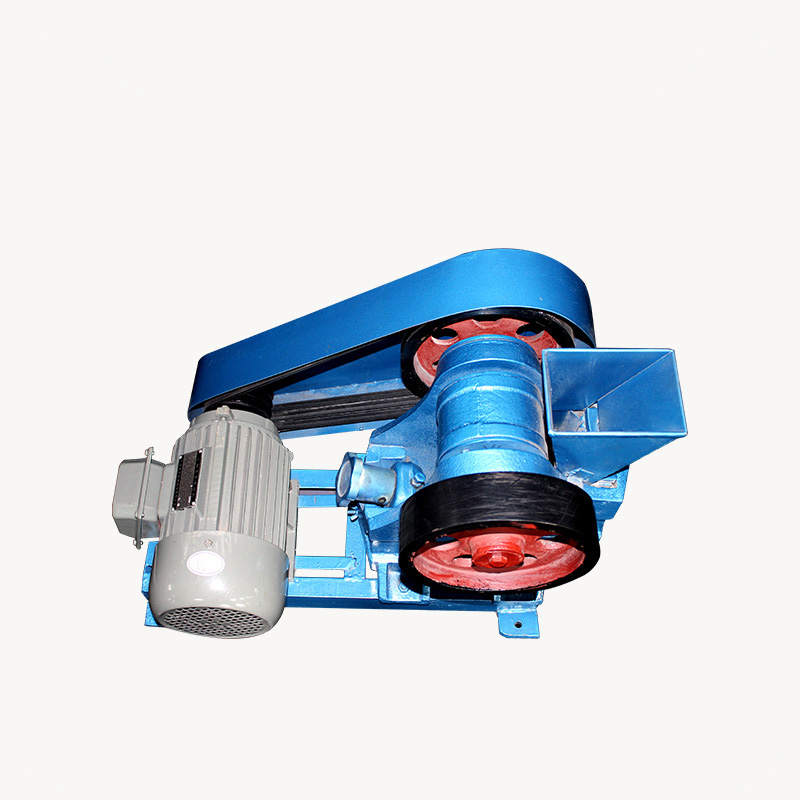
Depending on your material and target particle size, you may also consider other types of crushers or mills. For example, a double roll crusher is suitable for producing a more uniform product with less fines, while a teeth roll crusher can handle sticky or wet materials. For very fine grinding, you would move to a ball mill or vibration mill. Our laboratory jaw crusher is a reliable starting point for many applications.
Practical Tips for Using a Jaw Crusher
To get the best performance and longest life from your jaw crusher, keep these tips in mind:
- Pre-screening: Remove any fines or dust from the feed material before crushing, as they can accumulate in the chamber and reduce efficiency.
- Even feeding: Feed material at a steady rate, avoiding overloading. If the machine jams, stop it immediately and clear the blockage.
- Regular inspection: Check the wear on the jaw plates periodically. Replace them before they become too thin, as worn plates reduce crushing efficiency and increase the risk of damage.
- Lubrication: Follow the manufacturer's recommendations for greasing the bearings and other moving parts. Over-lubrication can be as harmful as under-lubrication.
- Safety first: Always turn off and lock out the power before cleaning, adjusting, or performing maintenance. Use appropriate personal protective equipment, including safety glasses, gloves, and hearing protection.
Conclusion
A laboratory jaw crusher is a fundamental piece of equipment for any lab that deals with hard, brittle materials. Its simple design, robust construction, and adjustable output make it a versatile tool for sample preparation across many industries. By understanding the working principle and key selection criteria, you can choose a model that meets your specific needs and ensures reliable, repeatable results.
If you have any questions about selecting or using a jaw crusher, feel free to reach out to our team. We are happy to help you find the right solution for your application.