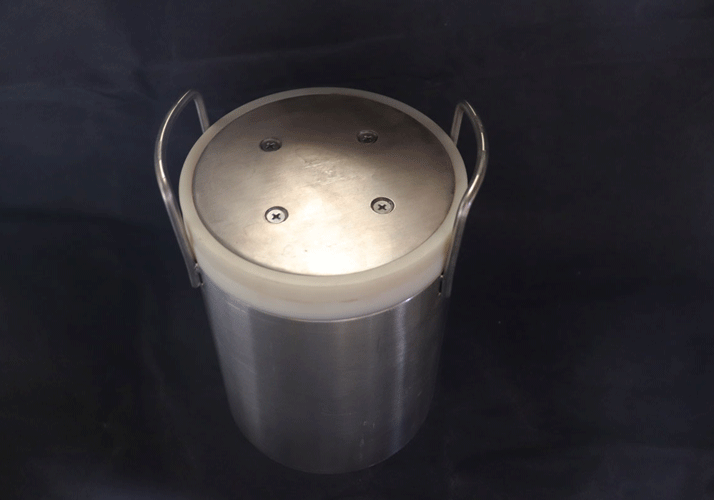
Nylon Planetary Mill Jar: A Practical Guide for Soft and Non-Metallic Material Grinding
Why Consider a Nylon Planetary Mill Jar?
When you work with planetary ball mills in the lab, the choice of grinding jar material is just as important as the mill itself. For many researchers, the go-to options are stainless steel, agate, or zirconia jars. But there is a quieter, highly practical alternative that deserves more attention: the nylon planetary mill jar. Made from engineering-grade polyamide (nylon), these jars offer a unique combination of low density, excellent chemical resistance, and zero metal contamination — ideal for grinding soft, non-metallic, or even mildly corrosive materials.
If your application involves materials like carbon black, graphite, sulfur, herbs, pigments, or certain polymers, a nylon jar can save you from the contamination headaches that come with metallic jars. It also costs significantly less than ceramic or agate jars, making it an attractive option for routine sample preparation and educational labs.
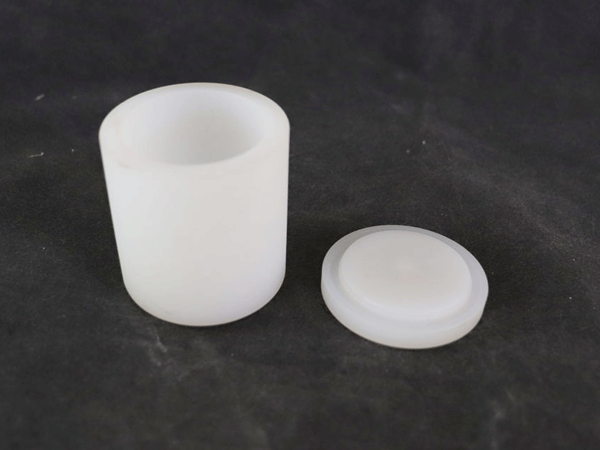
Key Properties of Nylon Grinding Jars
Lightweight and Easy to Handle
Nylon is much lighter than stainless steel, zirconia, or agate. A 500 mL nylon jar weighs only a fraction of its metal counterpart, which reduces the overall load on the planetary mill and makes handling during cleaning and sample transfer much easier. This is particularly helpful when you need to switch jars frequently between experiments.
Excellent Chemical Resistance
Nylon resists a wide range of chemicals, including many organic solvents, weak acids, and alkaline solutions. For wet grinding processes involving alcohols, acetone, or dilute acids, a nylon jar is a reliable choice. However, it is not suitable for strong acids, strong bases, or concentrated oxidizing agents — always check the chemical compatibility of your specific nylon grade before use.
No Metal Contamination
One of the biggest advantages of using a nylon jar is the elimination of metal trace contamination. When grinding materials for electronics, battery precursors, or pharmaceutical ingredients, even ppm levels of iron, chromium, or nickel can alter the final product properties. A nylon jar, combined with nylon or ceramic grinding balls, ensures a completely metal-free milling environment.
Good Wear Resistance within Limits
Nylon is a tough polymer with good abrasion resistance against soft to medium-hard materials. For grinding tasks such as reducing particle size of soft minerals (e.g., talc, kaolin), dried plant matter, or organic compounds, a nylon jar can last for many cycles before showing significant wear. However, it is not designed for grinding hard materials like quartz, silicon carbide, or metal powders — those will quickly abrade the inner surface and contaminate the sample with polymer debris.
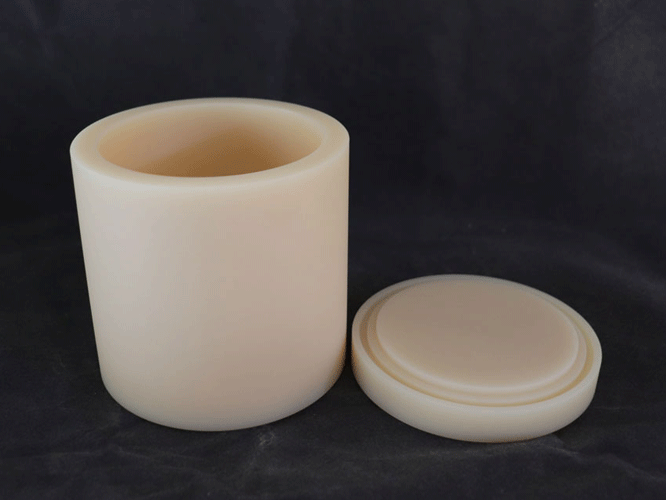
Common Applications for Nylon Planetary Mill Jars
- Carbon materials – Graphite, carbon black, activated carbon, and carbon nanotubes can be milled without introducing metallic impurities.
- Organic and pharmaceutical materials – Herbal powders, pigments, dyes, and drug intermediates that require gentle grinding without metal contamination.
- Soft minerals – Talc, gypsum, bentonite, and other low-hardness minerals where ceramic jars may be overkill.
- Food and agricultural samples – Spices, seeds, dried fruits, and other organic materials that need to be ground for analysis or product development.
- Chemical synthesis – Mechanochemical reactions where the jar material must not interfere with the reaction chemistry.
In many of these applications, the nylon jar can be paired with matching zirconia grinding balls or agate balls to maintain a completely inert milling environment. For wet grinding, the chemical resistance of nylon ensures that the jar does not degrade even after prolonged contact with common solvents.
Selection Considerations When Using a Nylon Jar
Temperature Limitations
Nylon has a lower working temperature range compared to ceramics or metals. Continuous operation at high speeds (above 400 rpm) in a planetary ball mill can cause the jar temperature to rise significantly. If the material itself is heat-sensitive, or if the jar temperature exceeds about 80–100°C, the nylon may soften, deform, or release particles. In such cases, we recommend using intermittent grinding cycles — for example, 15 minutes of milling followed by a 10-minute pause — to allow the jar to cool. For very heat-sensitive samples, a 304 stainless steel jar with a water jacket or a vacuum jar may be more appropriate.
Grinding Media Compatibility
Because nylon is softer than most grinding ball materials, the balls themselves should be chosen carefully. Ceramic options like zirconia (ZrO₂) or alumina (Al₂O₃) work well, as they are hard and chemically inert. Steel balls can also be used if metal contamination is not a concern, but the impact of steel on the nylon jar wall may accelerate wear. The general rule is to use balls that are at least as hard as the material being ground, but not so hard that they damage the jar liner.
Volume and Capacity
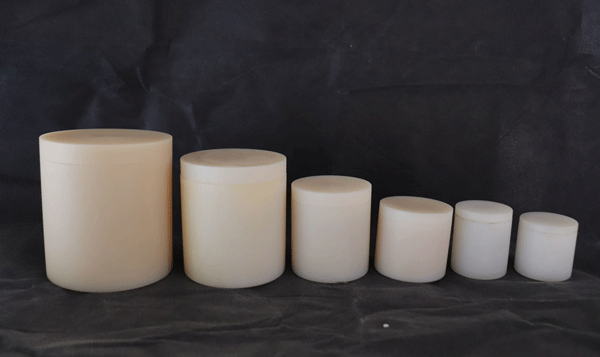
Nylon jars are available in various sizes, typically from 50 mL up to 500 mL or more. When selecting the jar volume, remember that the actual usable capacity for grinding is about 50–60% of the total jar volume, because you need space for the grinding balls and the sample. A typical filling recommendation is to fill the jar to about one-third of its volume with grinding balls, and then add enough sample to fill the interstices between the balls — roughly another one-third. Overfilling reduces milling efficiency dramatically.
Comparison with Other Jar Materials
| Material | Key Advantage | Best For | Limitation |
|---|---|---|---|
| Nylon | Lightweight, no metal contamination, low cost | Soft, organic, non-metallic materials | Low heat resistance, not for hard materials |
| 304 Stainless Steel | High strength, good heat dissipation, vacuum compatible | General purpose, hard minerals, mechanical alloying | Metal contamination risk, heavier |
| Zirconia | Extremely hard, very low wear, high purity | Hard ceramics, nanomaterials, high-purity grinding | High cost, brittle |
| Agate | Natural silica, excellent for trace analysis | Geological samples, XRF analysis | Brittle, expensive, limited volume |
As you can see, nylon occupies a specific niche: it is not a universal solution, but for the right materials it offers the best balance of performance, cost, and cleanliness. If your lab frequently processes soft or organic materials, having a set of nylon jars on hand can significantly reduce both equipment cost and contamination risk.
How to Extend the Life of Your Nylon Jar
- Avoid over-tightening the lid – Nylon threads can strip if excessive force is applied. Use only hand-tightening, and if the jar uses a clamp or lock ring, follow the manufacturer's instructions.
- Clean after each use – Residues from previous samples can harden or react with the next sample. Wash with warm water and mild detergent, then dry thoroughly. Avoid using abrasive brushes or solvents that may attack nylon (e.g., concentrated acids, phenols).
- Monitor for wear – Inspect the inner surface regularly. If you notice deep scratches, pitting, or a cloudy appearance, it may be time to replace the jar to prevent sample contamination.
- Use appropriate grinding balls – As mentioned, avoid using extremely hard balls (e.g., tungsten carbide) with a nylon jar, as they will abrade the jar wall rapidly.
Where to Get Nylon Planetary Mill Jars
TENCAN offers a full range of nylon planetary mill jars in various volumes, complete with sealing rings and compatible lids. Whether you need a single jar for a specific project or a complete set for multi-sample processing, TENCAN engineers can help you select the right configuration. To ensure the best match for your materials, we recommend providing the following information when inquiring:
- Material name and composition
- Expected feed particle size and target particle size
- Sample quantity per batch
- Whether you plan to use dry or wet grinding
- Any temperature or chemical sensitivity concerns
- Preferred grinding ball material (if known)
With this information, we can recommend the optimal jar size, lid type, and even suggest compatible grinding media to help you achieve reproducible results right from the first run.