

Product features
Two sample positions
Two separately loaded jars can be arranged for paired trials, reducing the need to prepare each sample in sequence.
Comparable batch work
Use the same jar geometry and shared operating conditions when comparing formulations or repeated preparations.
Time-control functions
The source describes timing, pause and accumulated-time functions, to be checked against the supplied control configuration.
Accessory choices
Manual handling aids and protective covers are optional items to specify around jar size and the operating procedure.
Applications
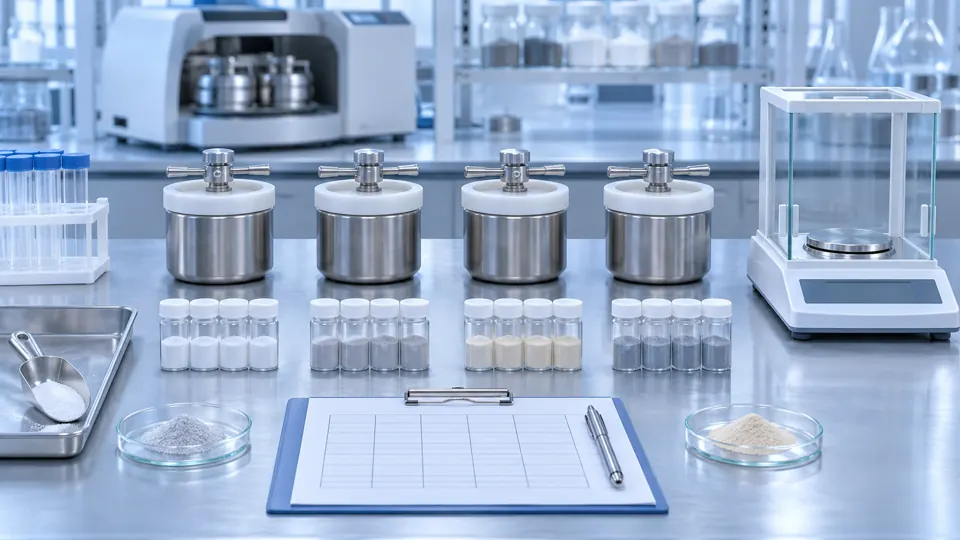
Paired formulation trials
Compare two ceramic glaze or new-material recipes while keeping jar, media and common run conditions consistent.
Preparation repeatability
Divide the same material between two suitable jars and compare recovered sample distributions under matched loading conditions.
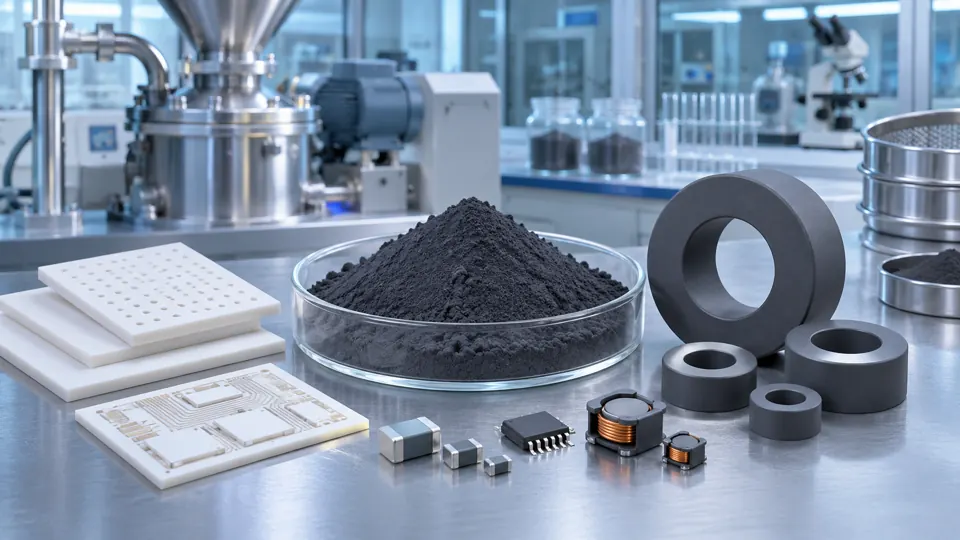
Electronic or magnetic powders
Prepare small batches with media and jar materials selected around the permitted impurity contribution.
Evaluating results
Two-sample comparison
Use the same size-measurement method and record each jar's formulation and charge before interpreting differences.
Controlled variables
Distinguish the recipe factor being changed from jar diameter, media, loading and run time that should remain fixed.
Sample separation
Check identification, closure and separate collection and cleaning to avoid mixing or carryover during changeover.
These are evaluation points for a sample trial, not measured results for a specific sample. Confirm performance under your actual operating conditions.
How it works
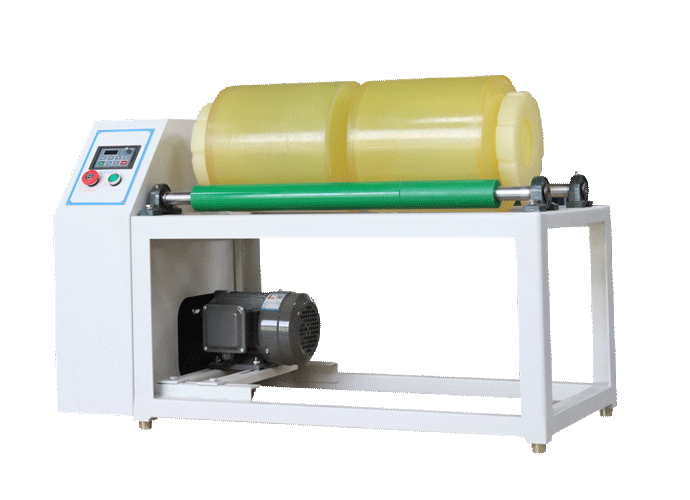
Load each jar
Prepare the two samples separately, label them and verify the permitted total load and jar placement.
Run the roller drive
The rollers turn the jars, causing enclosed media to lift and tumble through the material under the configured conditions.
Collect separately
Stop before removing jars, then recover samples separately and record the results before modifying the next trial.
Construction and configuration
Two support positions
Check jar diameter and load limits for the specific GQM-2 machine; station count does not define sample capacity.
Drive arrangement
Separately loaded jars do not establish independently controlled speeds or timers; confirm the actual control architecture.
Timing and protection
Specify time controls, protective covers and handling accessories, leaving enough space for jar removal and cleaning.
More product images


Technical specifications
Compare the listed specifications and configurations. Scroll horizontally to view the complete table.
Specification table 1
| Model | GQM-2-5 | GQM-2-15 | GQM-2-20 |
|---|---|---|---|
| Dimensions / weight | 950X480X685/59KG | 1130X550X690/80KG | 1350X650X690/92KG |
| Motor model / power | YE2-80M2-4B3 /0.75KW | YE2-90S-4B3 /1.1KW | YE2-90L-4B3 /1.5KW |
| Standard power supply | 220V、50/60HZ | 220V、50/60HZ | 220V、50/70HZ |
| Main roller speed (rpm) | 50~410±10 | 40~365±10 | 40~340±10 |
| Hand crank | Optional | Optional | Optional |
| Guard | Optional | Optional | Optional |
Specification table 2
| Model | GQM-4-5 | GQM-4-5(two levels) | GQM-4-15 | GQM-4-20 |
|---|---|---|---|---|
| Dimensions / weight | 950X660X690/70KG | 950X480X870/(92KG) | 1130X800X690/95KG | 1350X820X690/122KG |
| Motor model / power | YE2-80M2-4B3 /0.75KW | YE2-80M2-4B3 /0.75KW | YEZ-90L-4B3 /1.5KW | YE2-100L1-4B3 /2.2KW |
| Standard power supply | 220V、50/60HZ | 220V、50/60HZ | 220V、50/6OHZ | 380V、50/60HZ |
| Main roller speed (rpm) | 50~410±10 | 50~410±10 | 40~365±10 | 40~340±10 |
| Hand crank | Optional | Optional | Optional | Optional |
| Guard | Optional | Optional | Optional | Optional |
Specification table 3
| Model | GQM-8-5 | GQM-8-15 |
|---|---|---|
| Dimensions / weight | 950X660X960/106KG | 1130X800X960/152KG |
| Motor model / power | YE2-90L-4B3 /1.5KW | YE2-100L1-4B3 /2.2KW |
| Standard power supply | 220V、50/60HZ | 380V、50/60HZ |
| Main roller speed (rpm) | 50~410±10 | 40~365±10 |
| Hand crank | Optional | / |
| Guard | Optional | / |
Confirm the selected model, power supply, contact materials and operating conditions before ordering. Performance depends on the material and process.