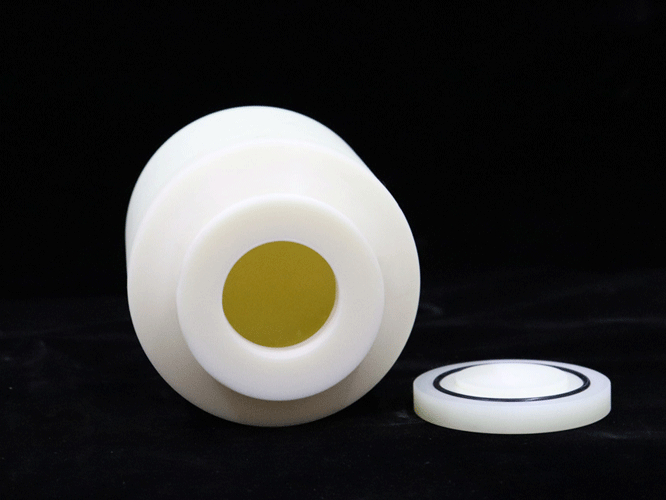
What is a Nylon Roll Mill Jar? A Lightweight, Non-Metallic Grinding Container for Roller Ball Mills
What is a Nylon Roll Mill Jar?
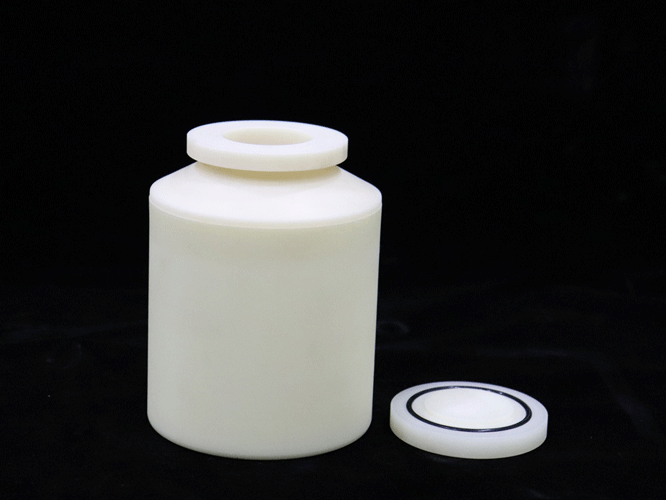
At its core, a nylon roll mill jar is a specialized grinding container designed for use in roller ball mills (also known as drum ball mills). It is employed by laboratories and small-scale production facilities to mill, mix, and homogenize powders and slurries without introducing metallic contamination. Made from high-quality engineering-grade nylon, this jar combines durability, chemical resistance, and lightweight handling, making it an ideal choice for grinding materials that are sensitive to metal ions or require a clean environment.
Core Function and Working Principle
The primary function of a nylon roll mill jar is to act as a vessel where the material and grinding media (such as balls or cylinders) are placed. When the jar is mounted on a roller ball mill, the rotating rollers cause the jar to spin. Inside the jar, the grinding media are lifted and cascade down, crushing and shearing the material repeatedly. The nylon material itself does not contribute to the grinding action but provides a smooth, abrasion-resistant surface that minimizes wear and prevents contamination.
Key working parameters include the rotational speed of the mill, the size and density of the grinding media, and the filling ratio of the jar. The nylon jar's ability to withstand moderate impact and friction ensures long service life even with hard materials. Additionally, the airtight seal (often included) allows for wet or dry grinding under controlled atmosphere.
Key Components and Technical Features
Nylon roll mill jars are characterized by their material composition and construction. The main body is molded from engineering-grade nylon, typically reinforced with additives for enhanced strength and wear resistance. The lid is designed with a durable sealing gasket to prevent leakage. Some jars feature internal ribs to improve mixing efficiency. The jar's cylindrical shape and smooth interior are optimized for effective ball movement.
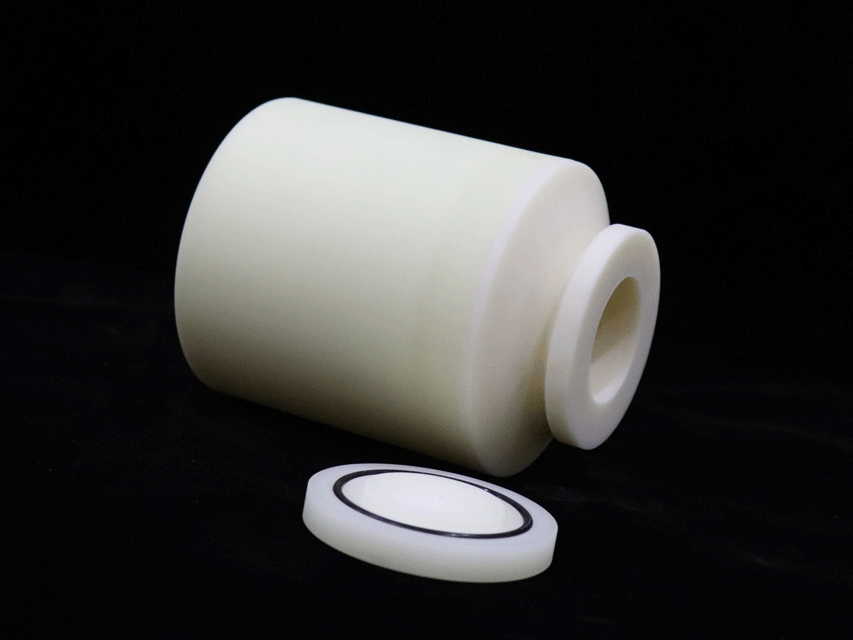
Key technical considerations include the jar's volume capacity (ranging from 0.5L to 20L or more), wall thickness, and the compatibility with different mill roller designs. The nylon material also offers excellent electrical insulation and low thermal conductivity, which can help reduce heat buildup during grinding of heat-sensitive materials.
Key Performance Indicators and Selection Criteria
When selecting a nylon roll mill jar, evaluate the following metrics:
- Capacity: Choose a jar size that matches your batch volume. Typical capacities range from 0.5L to 20L. For example, a 2L jar is common for small R&D batches, while a 10L jar suits larger pilot runs.
- Chemical Compatibility: Nylon is resistant to many organic solvents, alkalis, and weak acids, but not strong acids (e.g., sulfuric or nitric acid). Verify the material's resistance to your specific slurry before use.
- Abrasion Resistance: While nylon is tough, for very hard materials (e.g., silicon carbide, tungsten carbide), a ceramic or stainless steel jar might be more durable. Nylon jars are best for medium-hardness materials (Mohs hardness up to 6-7).
- Sealing Performance: A good lid seal prevents dust and solvent leakage. Check for O-ring or gasket designs. Some models offer a quick-clamp system for easy opening.
- Weight and Handling: Nylon jars are lighter than metal or ceramic jars, making them easier to handle and less stressful on mill rollers. This reduces wear on the mill itself.
- Cost: Nylon jars are generally more affordable than stainless steel or ceramic alternatives, offering a good balance of performance and economy.
Applications and Selection Advice
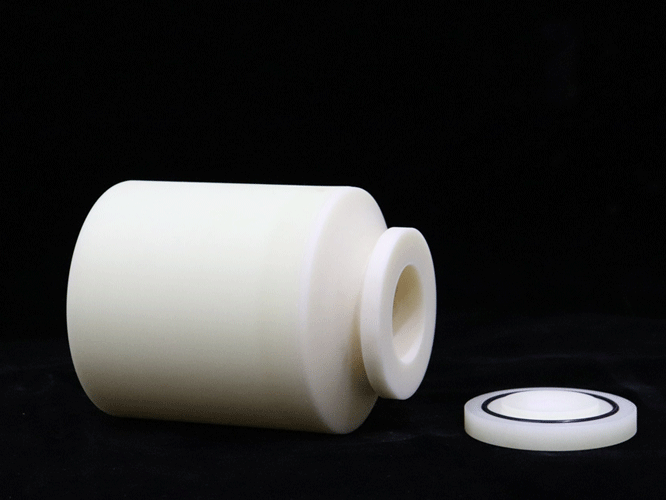
Nylon roll mill jars are widely used in the milling of pharmaceuticals, pigments, food additives, battery materials, and fine chemicals where contamination-free grinding is critical. For example, in the preparation of lithium-ion battery cathode materials, nylon jars avoid introducing iron or other metal impurities that could degrade battery performance. They are also popular in university labs and R&D centers for sample preparation, especially when handling small quantities of precious or toxic materials.
For users who need to grind heat-sensitive materials, nylon's low thermal conductivity helps reduce heat buildup compared to metal jars. When selecting, consider the specific gravity of your material: heavy materials might require thicker walls or reinforced jars. Always match the jar size to your mill's roller spacing and speed. For instance, a standard roller mill with a roller spacing of 200 mm can accommodate jars up to 6L in diameter.