
Glass and Ceramic Sample Grinding in a Corundum Planetary Jar
Test period: December 2025
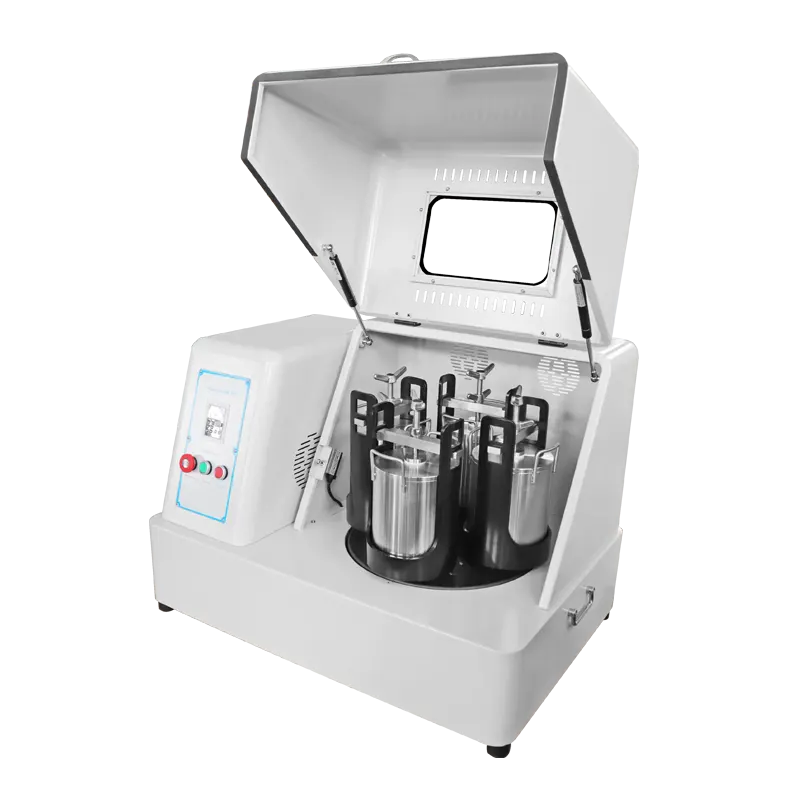
Glass and ceramic samples were dry-ground separately using a TENCAN XQM planetary ball mill with a corundum jar and zirconia balls. The glass sample reached D50 = 0.43 µm after 30 minutes; the ceramic sample reached D50 = 1.16 µm after two hours.
Sample analysis and experimental objective
Both materials were described as bulk pieces before sample preparation, with an 80-mesh objective. Brittle fracture makes planetary impact a reasonable choice for this type of inorganic material. Their different charges and grinding times mean that the two outcomes should be read independently. Particle-size measurements describe the prepared samples; a measured sieve-pass yield was not recorded.
Equipment and test conditions
| Mill | TENCAN XQM-series planetary ball mill |
|---|---|
| Jar | 250 mL corundum |
| Media | Zirconia; stated large / medium / small proportions 40% / 40% / 20% |
| Glass charge | 49 g |
| Ceramic charge | 10.8 g |
| Method | Dry grinding |
| Speed setting | 500 rpm |
| Run mode | 5 minutes running / 1 minute pause |
Experimental observations and results
| Sample | Grinding time | D50 | D90 |
|---|---|---|---|
| Glass | 30 minutes | 0.43 µm | 1.61 µm |
| Ceramic | 2 hours | 1.16 µm | 3.57 µm |
The two tests produced fine particle-size distributions, including a submicron median for the glass. No full-batch 80-mesh sieve percentage or recovery yield was measured. The data therefore support fine sample preparation, without converting a D90 measurement into a statement that the entire batch passed a sieve.
Why this equipment was selected
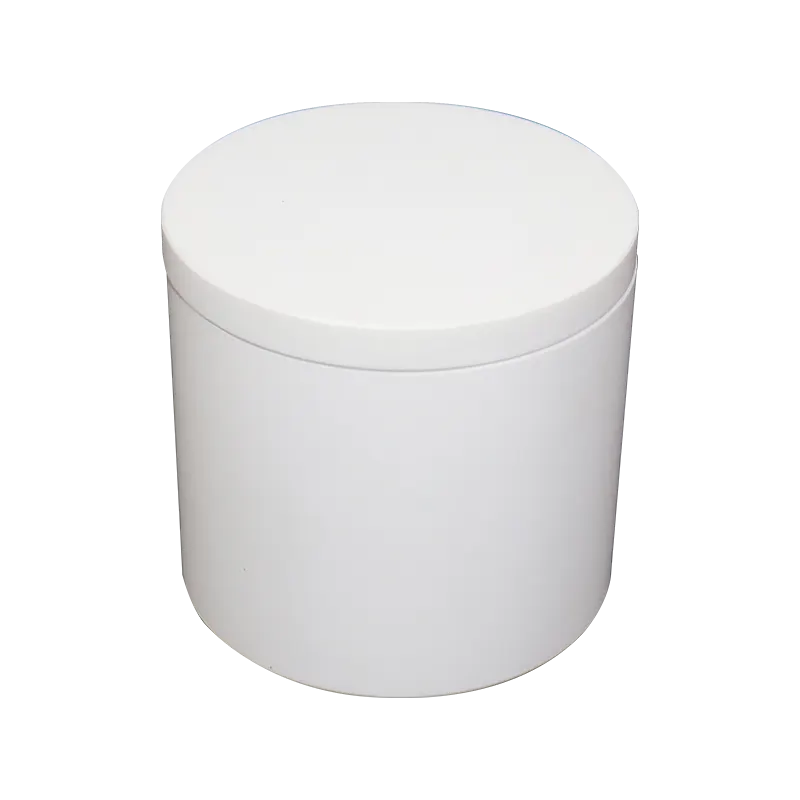
The TENCAN Vertical square planetary ball mill is a relevant XQM product for laboratory trials with controlled jar loading. The TENCAN corundum planetary mill jar provides a ceramic contact surface, while zirconia balls provide a distinct media material. This combination should be selected with the allowable aluminium and zirconium contributions in mind, rather than described as contamination-free.
Practical precautions
- Prepare feed pieces to a size permitted by the jar and mill before charging.
- Use clean, compatible media and inspect the brittle jar for damage before each run.
- For small ceramic charges, recover and homogenize the whole batch before taking the analytical portion.
- If 80-mesh yield is the commercial acceptance criterion, perform and record that sieve test separately.
Could another TENCAN machine be a better fit?
When the requirement is simply a coarser powder at a larger working charge, the TENCAN lab roll ball mill is worth a comparative trial. It may be sufficient without pursuing the very fine distributions obtained here. No comparative energy consumption or processing-time test was performed, so the XQM remains the demonstrated route for these samples.
Related TENCAN equipment
Explore the equipment and accessories for planning a comparable trial. Select the machine size and jar holders to match the stated working configuration.
Interpretation: These results describe the tested sample and conditions. Equipment alternatives and process improvements above are engineering recommendations for a further trial, not additional measured results. D50 and D90, where reported, describe the measured particle-size distribution; they do not establish an absolute maximum size or a sieve-pass percentage.