
Submicron Wet Grinding of a Metal Oxide Powder
Test period: October 2025
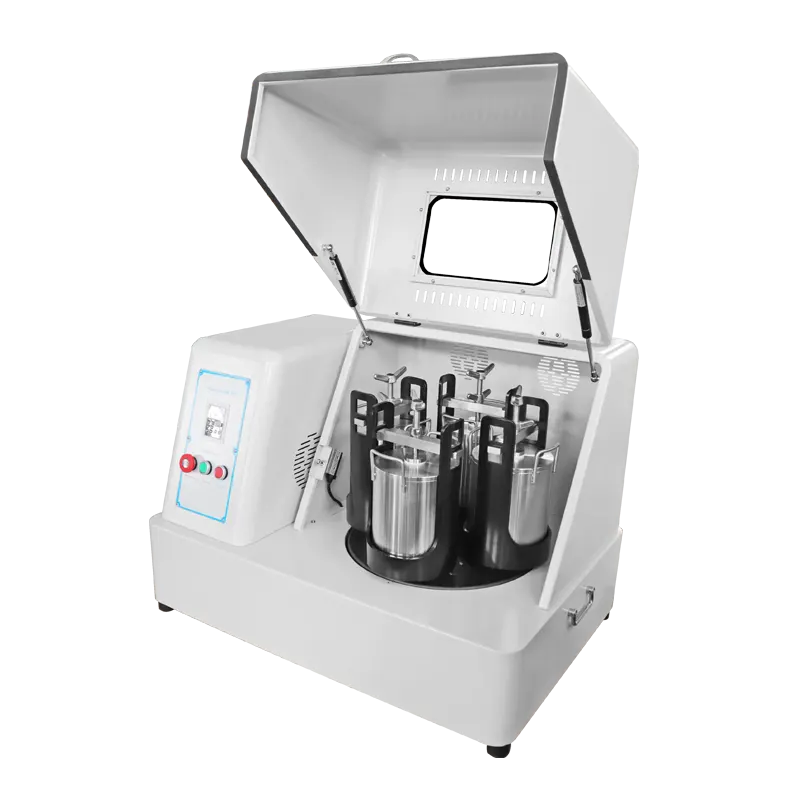
A 103 g metal oxide powder was wet-ground with purified water in a TENCAN XQM planetary ball mill. At 30 minutes, the measured distribution reached D50 = 0.18 µm and D90 = 0.23 µm.
Sample analysis and experimental objective
The oxide chemistry was not specified, so the report concerns a metal oxide powder without assigning a particular composition or application. The target was below 1 µm. Both D50 and D90 are useful here because a submicron median alone would not adequately describe the coarser portion of the measured distribution.
Equipment and test conditions
| Mill | TENCAN XQM-series planetary ball mill |
|---|---|
| Sample | 103 g metal oxide powder |
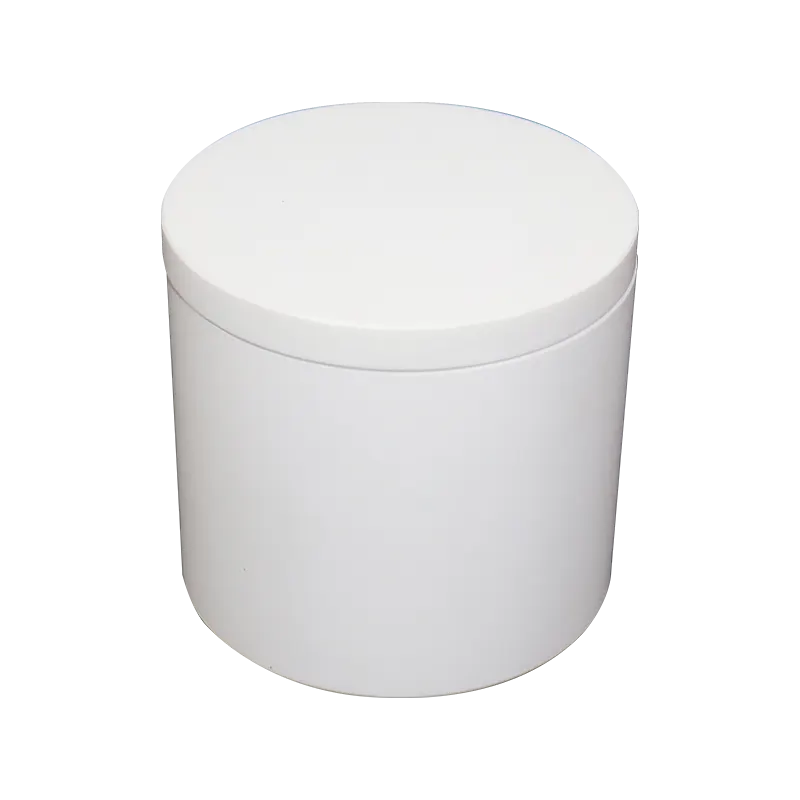
| Jar | 250 mL corundum |
| Media | Agate balls, 15–3 mm |
| Liquid | Purified water; quantity not specified |
| Method | Wet grinding |
| Speed setting | 480 rpm |
| Run mode | 5 minutes running / 1 minute pause |
Experimental observations and results
| Grinding time | D50 | D90 |
|---|---|---|
| 30 minutes | 0.18 µm | 0.23 µm |
| 1 hour | 0.36 µm | 0.47 µm |
Both sampling points gave D90 values below 1 µm. The 30-minute sample had the smaller measured distribution, so the one-hour result does not justify assuming that a longer run will always be finer. The difference may involve particle dispersion or process behaviour, but no causal mechanism was measured.
Why this equipment was selected
The TENCAN Vertical square planetary ball mill is a product match for the XQM planetary equipment family, and the TENCAN corundum planetary mill jar represents the jar material used. Agate media and a corundum jar create different potential wear contributions; the combination must be assessed against the actual oxide purity requirements. The successful 30-minute point is an appropriate starting condition for a repeat study.
Practical precautions
- Define water quantity and solids loading before attempting to reproduce the slurry.
- Keep sampling, dispersion and particle-size analysis settings the same at both time points.
- Check oxide compatibility with water and with the contact materials before processing a new chemistry.
- Do not extend the run solely to pursue a smaller median; confirm the endpoint with repeated measurements.
Could another TENCAN machine be a better fit?
The TENCAN lab stirred ball mill could be compared if a stirred slurry workflow becomes preferable. A controlled comparison should hold solids content, analytical preparation and acceptance criteria constant. No alternative machine was tested here, and a submicron result in this trial does not guarantee the same result for another oxide composition.
Related TENCAN equipment
Explore the equipment and accessories for planning a comparable trial. Select the machine size and jar holders to match the stated working configuration.
Interpretation: These results describe the tested sample and conditions. Equipment alternatives and process improvements above are engineering recommendations for a further trial, not additional measured results. D50 and D90, where reported, describe the measured particle-size distribution; they do not establish an absolute maximum size or a sieve-pass percentage.