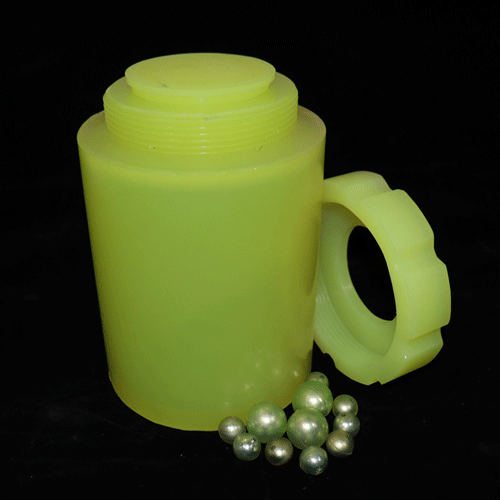
PU Roll Mill Jar: A Wear-Resistant, Low-Contamination Option for Roller Ball Mill Grinding
Why Consider a PU Roll Mill Jar for Your Lab?
When you work with a roller ball mill (also called a jar mill or rolling mill), the choice of jar material directly affects grind quality, contamination level, and wear life. Many labs use stainless steel, ceramic, or nylon jars, but fewer are familiar with the PU roll mill jar — a tough, resilient option made from polyurethane (PU). If you grind materials that are abrasive, require moderate impact, or need to avoid metallic contamination, a PU jar could be the practical solution.
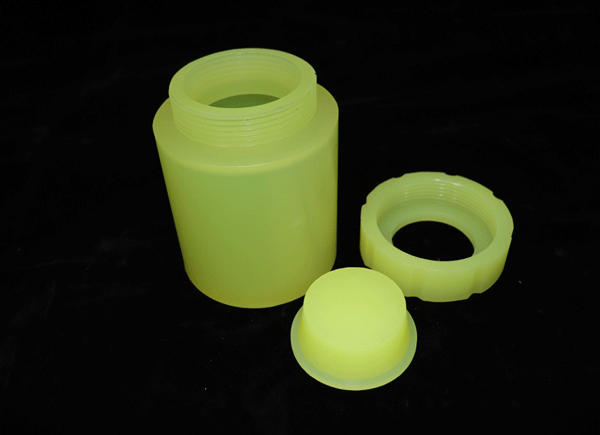
What Is a PU Roll Mill Jar?
A PU roll mill jar is a cylindrical grinding container made from polyurethane elastomer. It is designed to be used on a roller ball mill, where the jar rotates on a set of powered rollers, causing the grinding media (balls) and powder inside to tumble and mix. The polyurethane material provides excellent wear resistance, flexibility, and resistance to oils and solvents, making it suitable for a range of laboratory and small-scale production tasks.
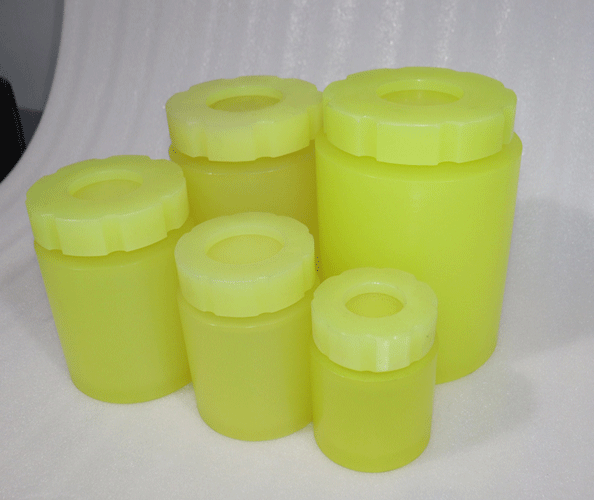
Commonly, these jars are available in volumes from about 0.5 L up to 20 L or more, depending on the manufacturer. The typical usable capacity for grinding is about 50–60% of the total jar volume, with the remaining space occupied by grinding balls and air gap.
Key Advantages of Polyurethane (PU) Jars
1. Excellent Wear Resistance
Polyurethane is known for its high abrasion resistance — often outperforming rubber, nylon, and even some metals in slurry or wet grinding conditions. This means the jar wall deteriorates slowly, reducing the frequency of replacement and keeping contamination from jar material low.
2. Low Contamination
Unlike stainless steel jars, which can introduce iron, chromium, or nickel into your sample, PU jars are essentially non-metallic. For applications where trace metal contamination is unacceptable — such as ceramic powders, battery materials, or pharmaceutical compounds — a PU jar helps maintain sample purity. The polyurethane itself is chemically inert under many conditions, though you should always verify compatibility with your specific solvent or chemical.
3. Good Impact and Shock Absorption
PU elastomers have a degree of flexibility that can dampen the impact of grinding balls, reducing noise and vibration. This also helps protect the jar from cracking under normal operation, especially when running with larger grinding media (e.g., 10–20 mm diameter balls).
4. Lightweight and Easy to Handle
PU jars are significantly lighter than stainless steel or ceramic jars of the same volume. This makes them easier to handle during loading, cleaning, and when swapping jars on the roller mill. Less weight also puts less stress on the roller mill drive, which can be beneficial for small or bench-top mills.
5. Chemical Resistance
Polyurethane resists many oils, greases, and solvents. It is often used in wet grinding where the liquid medium is water, alcohol, or mild hydrocarbon-based fluids. However, strong acids, strong bases, and some chlorinated solvents may degrade PU, so always check chemical compatibility before use.
Typical Applications
You will find PU roll mill jars used in laboratories and small factories for:
- Grinding and mixing ceramic powders (alumina, zirconia, silicon carbide)
- Processing battery electrode materials (cathode, anode, solid electrolytes)
- Wet grinding of minerals and ores for sample preparation
- Mixing pigments, dyes, and paints
- Preparing pharmaceutical formulations
- Mechanical alloying of soft metals (where metal contamination from steel jars is problematic)
How to Select a PU Roll Mill Jar
Volume
Choose a jar volume based on your sample batch size and the roller mill's capacity. A common rule of thumb: the total volume of the sample plus the grinding balls should not exceed 50–60% of the jar's total volume. For example, a 5 L PU jar can typically handle 2.5–3 L of total material and balls. If you process 1 kg of powder per batch, a 5 L jar is often a good starting point.
Grinding Media Compatibility
PU jars work well with most common grinding media: alumina, zirconia, agate, stainless steel, or even smaller sized steel balls. The jar's inner surface is smooth and non-porous, so it does not contaminate the media or the sample. For very hard materials, use matching hard media (e.g., zirconia balls for grinding zirconia powder).
Sealing and Lid
Most PU roll mill jars come with a lid that can be sealed to prevent leakage, especially during wet grinding. Some lids incorporate a gasket or O-ring for a tighter seal. If you grind under vacuum or inert gas, you may need a special lid design — check with the supplier. Standard PU jars are typically not vacuum-rated, but they can be used for simple atmospheric grinding.
Matching Your Roller Mill
Not all roller mills have the same roller distance or diameter. When ordering a PU jar, confirm the outer diameter and length to ensure it fits on your mill's rollers. Many manufacturers offer standard sizes (e.g., 2 L, 5 L, 10 L) that fit most common roller mills. If in doubt, provide the roller spacing and jar dimensions to your supplier for a compatibility check.
PU vs. Other Jar Materials: A Quick Comparison
| Material | Contamination Risk | Wear Life | Weight | Chemical Resistance | Best For |
|---|---|---|---|---|---|
| Polyurethane (PU) | Very low (non-metallic) | High | Light | Good (oils, mild solvents) | Abrasive powders, low contamination, wet grinding |
| Stainless Steel | Metallic (Fe, Cr, Ni) | Very high | Heavy | Excellent | Hard materials, high impact, long life |
| Nylon | Low (non-metallic) | Moderate | Light | Moderate (some solvents) | General purpose, low cost, dry grinding |
| Ceramic (Alumina) | Alumina trace | High | Medium | Excellent (most acids/bases) | Ultra-low contamination, high purity grinding |
Practical Tips for Using a PU Roll Mill Jar
- Don't overload: Keep the total charge (powder + balls) under 60% of the jar volume. Overloading can reduce grinding efficiency and cause excessive wear on the jar and mill.
- Use the right ball size: For fine grinding, use small balls (2–5 mm). For coarse grinding, larger balls (10–20 mm) are more effective. Mixing ball sizes can improve pack density and grinding action.
- Ball-to-powder ratio: A common starting ratio is 10:1 by weight for hard materials, and 5:1 for softer materials. Adjust based on your target fineness. For example, if you grind 100 g of powder, start with 500–1000 g of balls.
- Wet vs. dry: PU jars handle both wet and dry grinding well. For wet grinding, add enough liquid to form a slurry — typically about 30–50% of the powder weight. Avoid using too much liquid, as it can reduce ball impact.
- Clean periodically: After each use, rinse the jar with water or a suitable solvent to remove residues. Polyurethane is easy to clean, but avoid using abrasive brushes that might scratch the inner surface.
- Inspect for wear: Check the inner wall for signs of thinning or cracking after many hours of operation. Replace the jar if you notice significant wear, especially if contamination could affect your results.
Limitations and Considerations
While PU jars offer many benefits, they are not suitable for every situation:
- Temperature sensitivity: Polyurethane softens at elevated temperatures (typically above 80–100°C). If your grinding process generates significant heat (e.g., long hours at high speed), consider other materials like stainless steel or ceramic.
- Chemical restriction: Strong acids (e.g., concentrated sulfuric acid, nitric acid) and strong bases can degrade polyurethane. Always test a small sample of jar material with your chemical medium before large-scale use.
- Not for high-energy impact: PU jars are not designed for planetary ball mills where impact forces are much higher. They are best suited for the gentler tumbling action of roller ball mills.
- Wear from sharp particles: Extremely hard, sharp-edged particles (e.g., silicon carbide, tungsten carbide) can accelerate wear of the PU surface. For such materials, ceramic or stainless steel jars may be more durable.
Where to Find a Quality PU Roll Mill Jar
If you are looking for a reliable PU roll mill jar, TENCAN (also known as Changsha Tianchuang Powder Technology Co., Ltd.) offers a range of polyurethane jars in various volumes. Their jars are precision-molded for consistent wall thickness and smooth inner surfaces, ensuring even grinding performance. You can also explore other options like nylon jars, stainless steel jars, or ceramic jars depending on your specific application requirements.
When requesting a quote, be prepared to provide the following information to help the technical team recommend the right jar:
- Material to be ground (name and composition)
- Feed particle size and target particle size
- Sample quantity per batch
- Dry or wet grinding (if wet, specify the liquid medium)
- Preferred jar volume
- Any special requirements (sealing, vacuum, inert gas)
With a proper selection, a PU roll mill jar can be a durable, low-contamination workhorse for your laboratory roller mill, helping you achieve consistent results while protecting your sample from unwanted impurities.