
Corundum Roll Mill Jar: A Reliable Grinding Container for High-Purity and Wear-Resistant Milling
Why Material Selection Matters for Your Grinding Jar
When you work with a roller ball mill, the grinding jar is far more than a simple container. It directly influences the final particle size, the level of contamination, and the overall efficiency of your milling process. Among the various jar materials available—stainless steel, nylon, PTFE, polyurethane, and ceramic—the corundum roll mill jar stands out for applications that demand high wear resistance and minimal impurity introduction.
Corundum, also known as high-alumina ceramic (typically containing 92% to 99% Al₂O₃), is a dense, hard, and chemically inert material. It offers excellent resistance to abrasion, making it a preferred choice for grinding hard and brittle substances such as minerals, ceramic raw materials, and electronic powders. In this article, we will walk through the key features of the corundum roll mill jar, its practical applications, and how to choose the right configuration for your laboratory or small-scale production.
What Is a Corundum Roll Mill Jar?
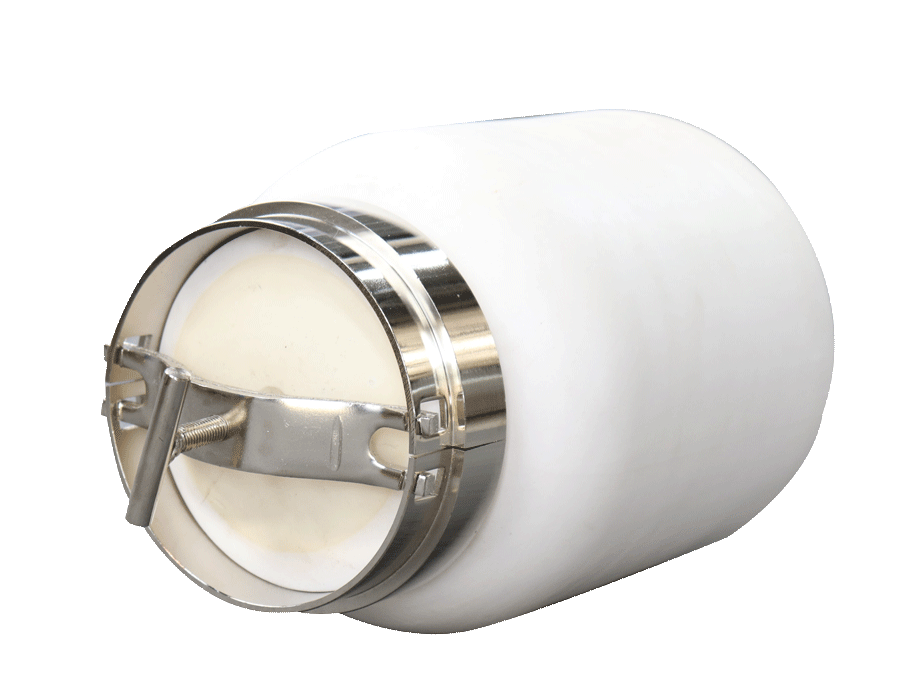
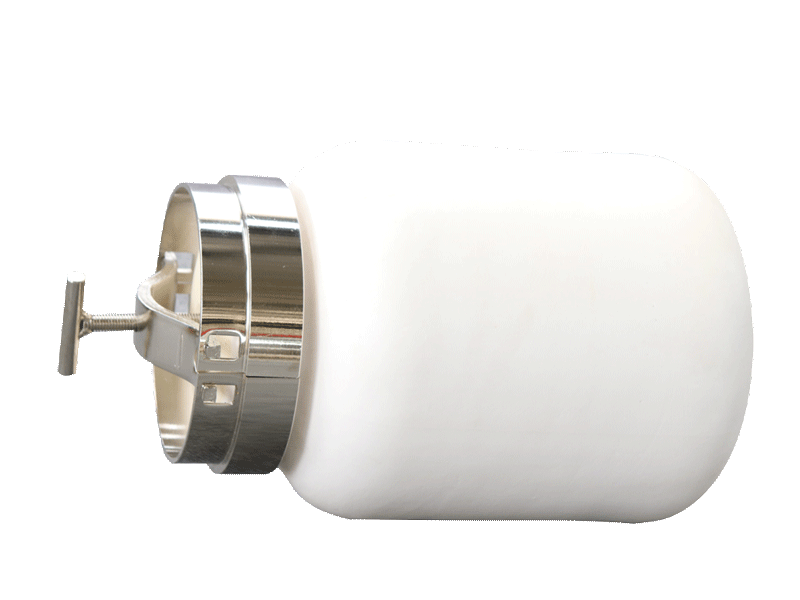
A corundum roll mill jar is a cylindrical container made from high-purity alumina ceramic, specifically designed for use on roller ball mills (also called jar mills or rolling ball mills). It serves as the vessel where the material and grinding media are placed, and the rotating motion of the mill causes the media to tumble, impact, and shear the powder.
Unlike stainless steel jars, corundum jars do not introduce metallic elements into the sample. This is critical when you are processing high-purity ceramics, electronic materials, or pharmaceutical compounds where even trace amounts of iron, chromium, or nickel can alter the final product's properties. Corundum also has a smooth, non-porous inner surface, which reduces powder adhesion and makes cleaning between batches more straightforward.
Typical Capacity and Dimensions
Corundum roll mill jars are commonly available in capacities ranging from 0.5 liters to 10 liters or more, depending on the manufacturer. The cylindrical shape and sealed lid ensure secure operation during milling. For roller ball mills, the jar diameter and length must match the roller spacing and speed of the mill base. Many laboratory models accept jars with an outer diameter of approximately 100 to 200 mm, but you should always verify compatibility with your specific mill.
Key Advantages of Using a Corundum Grinding Jar
1. High Wear Resistance and Long Service Life
Corundum ceramic is one of the hardest materials used for grinding jars, with a Mohs hardness of 9. This means it resists abrasion even when milling hard minerals like quartz, feldspar, or alumina itself. The low wear rate not only extends the jar's service life but also minimizes the amount of ceramic debris that could contaminate your powder. In many laboratory applications, a corundum jar can be used for hundreds of cycles before any noticeable wear appears.
2. Low Contamination for Purity-Sensitive Materials
For materials such as advanced ceramics, battery cathode precursors, and optical glass, contamination from the jar is a major concern. The dense, inert surface of corundum does not react with most chemicals or generate metal ions. When you use a corundum jar with matching alumina grinding balls, the contamination level can be kept extremely low—often below 0.1% by weight. This makes it a reliable choice for research and quality control where the final product must meet strict purity specifications.
3. Chemical Inertness and Temperature Stability
Corundum is resistant to acids, alkalis, and organic solvents at room temperature. It also maintains its mechanical strength up to temperatures around 1000°C, although you would not typically heat a jar during milling. This stability means you can safely mill corrosive or abrasive materials without worrying about chemical attack on the container.
Practical Applications of the Corundum Roll Mill Jar
The corundum roll mill jar is widely used in the following industries and research fields:
- Ceramic and glass manufacturing: Grinding of feldspar, kaolin, quartz, zircon, and other raw materials for body and glaze preparation.
- Mineral processing laboratories: Size reduction of ore samples such as bauxite, silica, and rare earth minerals for assay and analysis.
- Lithium battery materials: Milling of cathode and anode active materials, solid electrolytes, and conductive additives where metal contamination is unacceptable.
- Electronic ceramics: Preparation of ferrites, dielectric powders, and piezoelectric ceramics.
- Pharmaceutical and fine chemical: Grinding of active pharmaceutical ingredients (APIs) and excipients that require a clean, non-metallic environment.
- Mechanical alloying and powder mixing: When you need to combine multiple components without introducing impurities from the container.
How to Select the Right Corundum Roll Mill Jar for Your Process
Choosing the correct jar involves more than just picking the largest capacity. Here are the key factors to consider:
Capacity and Sample Volume
As a general rule, the grinding media should occupy about 30% to 50% of the jar's internal volume, and the sample powder should fill the voids between the balls. This means the actual usable capacity for powder is roughly 20% to 30% of the jar's total volume. For example, a 2-liter corundum jar can typically process 400 to 600 grams of material, depending on the powder density and ball size. If you need to mill larger batches, consider multiple jars or a larger jar size.
Matching with Grinding Media
To minimize cross-contamination, it is strongly recommended to use grinding balls made from the same material—high-alumina ceramic. Alumina balls (92% or 95% Al₂O₃) are the most common choice. The ball diameter should be selected based on the feed particle size and target fineness. For coarse grinding, 10–20 mm balls provide sufficient impact; for fine grinding, 3–8 mm balls offer more contact points. The ball-to-powder ratio (BPR) in roller ball mills typically ranges from 5:1 to 10:1 by weight, but you may need to adjust this based on the material's hardness and the desired result.
Sealing and Gas Atmosphere
Corundum jars are usually equipped with a lid and a sealing gasket (often made of silicone or rubber) to prevent leakage during rotation. If you are processing moisture-sensitive or air-sensitive materials, you can use a jar with a vacuum port or inert gas inlet. However, standard corundum jars are not inherently vacuum-tight; you may need a specialized version with a modified lid for such applications.
Compatibility with the Roller Mill
Before purchasing, check the outer diameter and length of the jar against the roller spacing of your mill. The jar should rest securely on the two rotating rollers without slipping. Most laboratory roller mills have adjustable roller spacing to accommodate different jar diameters. Also verify the total weight of the jar when filled with media and powder, as some mills have a maximum load limit.
Operating Tips for Best Results
- Pre-wet for wet grinding: If you are using a liquid medium (water, ethanol, or other solvent), add the liquid first, then the powder, and finally the grinding balls. This helps prevent powder from sticking to the jar walls.
- Use a consistent filling level: Overfilling the jar reduces the tumbling action and lowers grinding efficiency. Underfilling increases wear on the jar and media.
- Check the sealing ring regularly: The gasket can wear out over time, especially if you use aggressive solvents. Replace it as soon as you notice any leakage.
- Balance the load: When using multiple jars on the same mill, try to keep the total weight of each jar similar to avoid uneven rotation and excessive vibration.
Comparing Corundum Jars with Other Materials
While the corundum jar is an excellent choice for many applications, it is not the only option. Here is a quick comparison to help you decide:
- Stainless steel jar: Offers high impact strength and is suitable for hard, dry grinding. However, it introduces iron, chromium, and nickel contamination, which can be problematic for white ceramics or electronic materials.
- Nylon or PU jar: Lighter and more affordable, but they wear faster and can introduce polymer residues. They are best for soft materials or when metal contamination is a concern but hardness is low.
- PTFE jar: Chemically inert and non-stick, but relatively soft and prone to deformation. Ideal for highly corrosive chemicals, but not for hard abrasive materials.
- Corundum jar: Balances high hardness, low contamination, and chemical resistance. It is the preferred choice for most ceramic and mineral processing labs.
Where to Find a Quality Corundum Roll Mill Jar
When sourcing a corundum roll mill jar, you want a supplier that offers consistent quality, proper dimensional accuracy, and reliable sealing. At TENCAN, we provide a range of corundum roll mill jars designed for various capacity needs and compatible with most standard roller ball mills. You can also explore other options such as stainless steel roll mill jars or nylon roll mill jars if your specific application requires a different material.
To ensure you get the most suitable jar for your process, we recommend preparing the following information before contacting us:
- Material to be ground and its initial particle size
- Target particle size
- Sample quantity per batch
- Dry or wet grinding (including the liquid medium if wet)
- Any special requirements (vacuum, inert gas, temperature control)
- Your roller mill model or jar dimensions
With the right jar and proper operating parameters, you can achieve consistent, high-purity milling results that meet your research or production goals.