
Corundum Roll Mill Jar: High-Purity Grinding Container for Laboratory Roller Ball Mills
Introduction
Every powder processing laboratory faces the same fundamental question: which grinding jar material will keep contamination low while delivering consistent, reliable results? If you work with roller ball mills (sometimes called jar mills or rolling ball mills), the choice of jar material directly affects your grinding efficiency, particle size distribution, and the purity of your final powder.
Among the many options available, the corundum roll mill jar has earned a strong reputation in laboratories and small-scale production lines. Made from high-purity corundum (α-Al₂O₃, typically ≥99.7%), this grinding container offers exceptional hardness, wear resistance, and chemical inertness. In this article, we will walk through what a corundum roll mill jar is, why it performs well for certain materials, and how you can choose the right jar for your specific grinding tasks.
What Is a Corundum Roll Mill Jar?
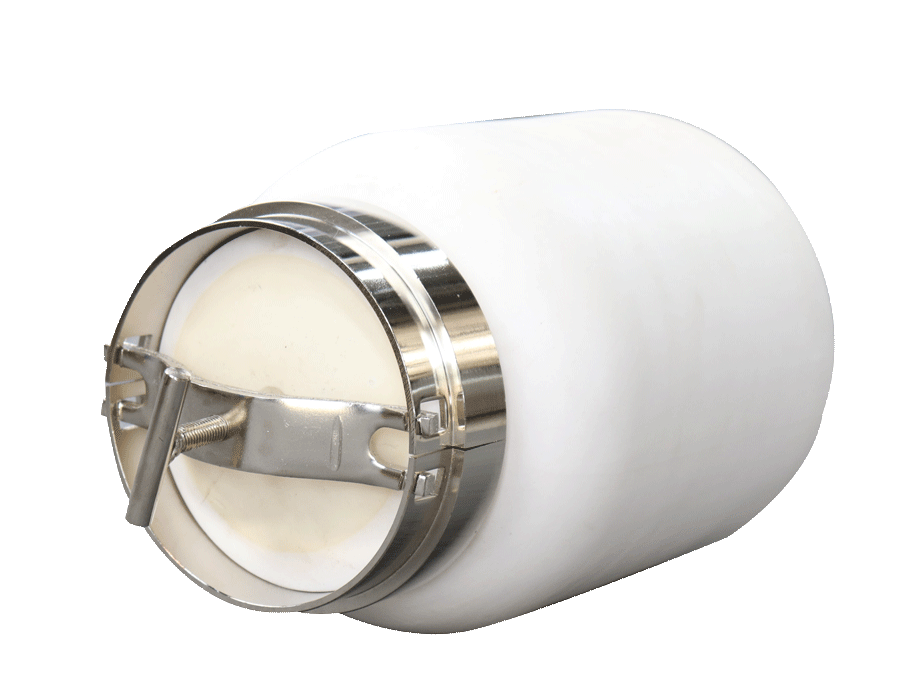
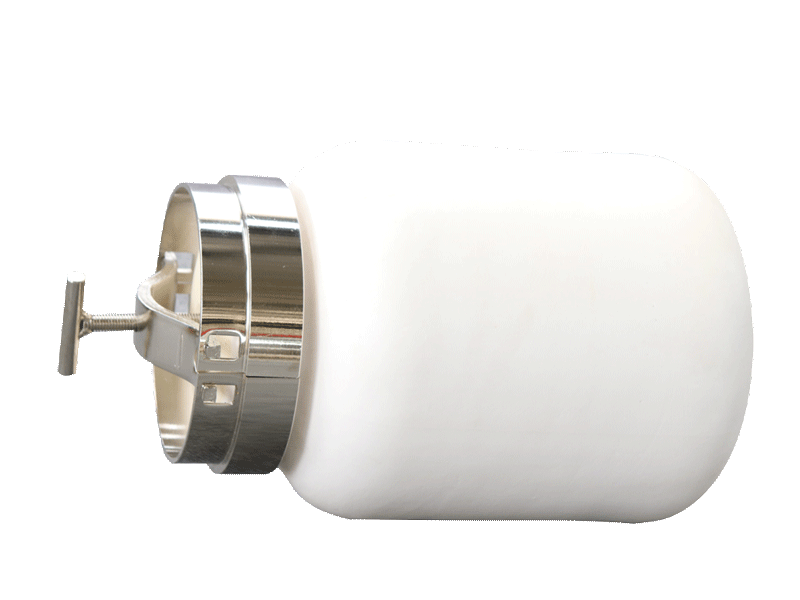
A corundum roll mill jar is a cylindrical grinding container designed specifically for use with roller ball mills. The jar rotates on a set of powered rollers, causing the grinding balls and powder inside to tumble, impact, and shear against each other. The jar body is crafted from dense, sintered corundum ceramic, which gives it a Mohs hardness of approximately 9—second only to diamond. This extreme hardness makes the jar highly resistant to abrasion and capable of grinding hard and abrasive materials such as quartz, feldspar, zircon sand, silicon carbide, and many ceramic raw materials.
Unlike metal jars, corundum jars introduce virtually no metallic contamination into the sample. The alumina ceramic is chemically stable and does not react with most acids or alkalis at room temperature, making it suitable for a wide range of chemical and pharmaceutical applications.
Key Advantages of Using a Corundum Roll Mill Jar
1. Minimal Contamination
When you are preparing high-purity powders for advanced ceramics, electronic materials, or battery precursors, even trace metal contamination can ruin the final product. A corundum jar offers an inherently clean grinding environment. During operation, the only wear particles that enter the powder are aluminum oxide—and they are often chemically compatible with the sample itself. For many oxide-based materials, this is acceptable or even desirable.
2. Excellent Wear Resistance
The high density and hardness of corundum mean that the inner wall of the jar wears very slowly over time. This not only preserves the jar's dimensional accuracy but also ensures consistent grinding performance across hundreds of batches. In practical terms, a high-quality corundum jar can last several years under normal laboratory use, even when grinding moderately hard materials.
3. Chemical Inertness
Corundum (α-Al₂O₃) is resistant to most common solvents, weak acids, and weak bases. This makes the jar suitable for wet grinding with water, ethanol, isopropanol, or other organic solvents. You do not have to worry about the jar dissolving or reacting with the liquid phase, which is a real concern with some polymer or metal jars.
4. High Thermal Stability
During prolonged grinding, the jar temperature can rise due to internal friction. Corundum has a high melting point (over 2,000°C) and good thermal conductivity for a ceramic. This helps dissipate heat and prevents thermal degradation of the jar material, even when running the mill for extended periods.
How to Select the Right Corundum Roll Mill Jar
Choosing the correct jar size and configuration depends on several factors. Here is a practical checklist to guide your decision:
Step 1: Define Your Sample Quantity
A good rule of thumb is that the grinding jar should be filled to about one-third of its total volume with grinding balls, and the powder sample should occupy roughly the same volume as the void space between the balls. For example:
- If you have 100 mL of powder per batch, a 500 mL jar is often a comfortable choice.
- If you need 1 kg of ground powder, consider jars in the 2 L to 5 L range, depending on material density.
Corundum roll mill jars are commonly available in capacities from 0.5 L up to 20 L or more. Always leave some headspace for the powder to move freely.
Step 2: Match Jar Material to Your Powder
Corundum jars work best for:
- Hard and abrasive materials (e.g., quartz, corundum itself, silicon carbide, alumina, zirconia precursors)
- Oxide ceramics where cross-contamination with alumina is acceptable
- Materials that require high purity and cannot tolerate iron, chromium, or nickel contamination
For materials that are easily contaminated by aluminum oxide (e.g., certain electronic-grade materials or catalysts), you might consider alternative jar materials such as stainless steel roll mill jars or PTFE roll mill jars. For extremely soft or sticky materials, a polyurethane roll mill jar may be a better fit.
Step 3: Consider the Grinding Media
To minimize cross-contamination, use grinding balls made from the same material as the jar, or from a chemically compatible ceramic. For corundum jars, matching alumina grinding balls (85%–99.7% Al₂O₃) are the most common choice. Zirconia balls can also be used for higher density impact, but be aware of possible zirconia contamination.
Practical Tips for Using a Corundum Roll Mill Jar
Start with a Clean Jar
Before first use, wash the jar thoroughly with deionized water and a mild detergent, then rinse with ethanol or acetone. Dry it completely. This removes any loose ceramic dust or manufacturing residues.
Optimize the Ball-to-Powder Ratio
For most laboratory roller mill applications, a ball-to-powder weight ratio between 5:1 and 10:1 is a good starting point. The ideal ratio depends on the material's hardness, target fineness, and the jar's rotational speed. If the mill is running at a moderate speed (typically 50–200 rpm for roller mills), a ratio of 7:1 often gives a balanced result. Adjust based on your own trials.
Use Wet Grinding for Fine Particles
When you need sub-micron or near-nano particle sizes, wet grinding with a liquid medium (water, ethanol, or isopropanol) significantly reduces agglomeration and improves efficiency. The corundum jar's inertness makes it an excellent vessel for wet grinding with common solvents.
Monitor Jar Wear
Inspect the inner surface of the jar periodically. If you notice deep scratches, chipping, or significant thinning, replace the jar to avoid contamination and potential failure. A well-maintained corundum jar can provide consistent service for many years.
Comparison with Other Roll Mill Jar Materials
| Jar Material | Hardness (Mohs) | Wear Resistance | Chemical Resistance | Typical Applications |
|---|---|---|---|---|
| Corundum (Al₂O₃) | 9 | Excellent | Excellent (except strong alkalis) | Hard ceramics, minerals, oxides |
| Stainless Steel (304/316) | ~5.5 | Good | Good (avoid strong chlorides) | Metals, alloys, general-purpose |
| Nylon | ~2 | Low | Good (organic solvents) | Soft materials, herbs, pharmaceuticals |
| PTFE (Teflon) | ~1.5 | Low | Excellent (almost universal) | High-purity, corrosive, temperature-sensitive |
| PU (Polyurethane) | ~2–3 | Moderate | Good (oils, solvents) | Soft, sticky, or abrasive materials |
As you can see, corundum occupies a unique space: it offers the highest hardness and wear resistance among common jar materials, making it the top choice for grinding hard and abrasive powders without metal contamination. However, it is more brittle than metal jars, so avoid dropping or striking it against hard surfaces.
Maintenance and Care
- Cleaning: After each batch, rinse with water or the appropriate solvent. For stubborn residues, use a soft brush or ultrasonic cleaning. Do not use steel wool or abrasive pads that can scratch the ceramic surface.
- Storage: Store the jar in a dry place with a soft cloth or foam liner to prevent accidental impacts. Keep the lid on to avoid dust ingress.
- Inspection of Seal: Many corundum jars come with a rubber or silicone gasket to seal the lid. Check the gasket periodically for cracks or deformation. Replace it if necessary to maintain a leak-proof seal during wet grinding.
- Temperature Shocks: Avoid sudden temperature changes. Do not transfer a hot jar directly into cold water. Although corundum is thermally stable, rapid thermal gradients can cause cracking.
Frequently Asked Questions
Can I use a corundum jar for grinding metal powders?
Yes, but be aware that the corundum jar itself will not introduce metal contamination. However, if you use alumina grinding balls, the grinding action may cause some alumina particles to mix into the metal powder. Depending on your application, this might be acceptable. For ductile metals, a stainless steel jar is often preferred because it can withstand the impact of repeated deformation without cracking.
What is the maximum capacity of a corundum roll mill jar?
Corundum jars are typically available in sizes from 0.5 L to 20 L. Larger custom sizes may be available from manufacturers like TENCAN. For production-scale grinding (hundreds of liters or more), other jar materials such as wear-resistant rubber-lined steel drums are more common for economic and safety reasons.
How do I know if my corundum jar is cracking?
Listen for a change in sound during operation — a dull thud or rattle may indicate a hairline crack. Visually inspect the surface under a bright light. A cracked jar should be retired immediately to avoid leakage and potential safety hazards.
Can I autoclave a corundum jar?
High-purity corundum can withstand autoclave temperatures, but the rubber seal may not. Check the temperature rating of the gasket material. For most laboratory needs, washing with a disinfectant or dry heat sterilization (below 200°C) is sufficient.
Final Thoughts
The corundum roll mill jar is a workhorse in any laboratory that requires clean, reproducible, and efficient grinding of hard materials. Its combination of extreme hardness, chemical inertness, and low contamination makes it an indispensable tool for ceramic researchers, mineral processors, and materials scientists. When selecting your next jar, consider your material's hardness, target purity, and batch size. A well-chosen corundum jar will serve you reliably for years.
If you are unsure which configuration is right for your specific material, it is always helpful to discuss your requirements with an experienced grinding equipment supplier like TENCAN. They can recommend the appropriate jar size, grinding media, and operating parameters based on your powder type and processing goals.
For more details on the full range of roller mill jars, including nylon roll mill jars, ceramic roll mill jars, and stainless steel roll mill jars, visit the product collection page on labballmill.com.