
What Is a Paddle Mill? A Practical Guide for Laboratory Sample Preparation and Material Size Reduction
Why a Paddle Mill Belongs in Your Laboratory
When you receive bulk samples of coal, ore, chemical raw materials, or building materials, the first step is often to reduce those chunks into a finer, more uniform size. A paddle mill — also widely referred to as a hammer mill — is one of the most practical and efficient tools for this task in a laboratory environment. It relies on high-speed impact to break down brittle materials, producing a consistent particle size that is suitable for subsequent analysis, mixing, or further milling.
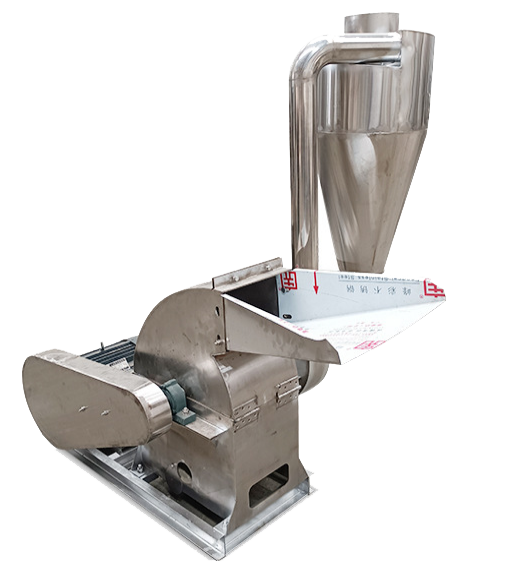
How Does a Paddle Mill Work?
The core of a paddle mill consists of a rotor mounted with multiple paddles (or hammers) that rotate at high speed inside a sturdy crushing chamber. Material enters through a feed hopper and is immediately struck by the rotating paddles. The impact forces fracture the particles, and the shattered fragments continue to be hit until they are small enough to pass through a replaceable sieve screen at the bottom of the chamber. The screen aperture determines the maximum particle size of the output, making it simple to control the final product.
Key design features that affect performance include:
- Rotor speed: Higher speeds generate stronger impact forces, suitable for harder materials, but may increase wear and heat generation.
- Paddle configuration: The number, shape, and arrangement of paddles influence the crushing efficiency and particle shape.
- Sieve screen size: Apertures typically range from 0.5 mm to several millimeters, allowing you to adjust the final particle size.
- Chamber material: Stainless steel is common for laboratory units to resist corrosion and facilitate cleaning.
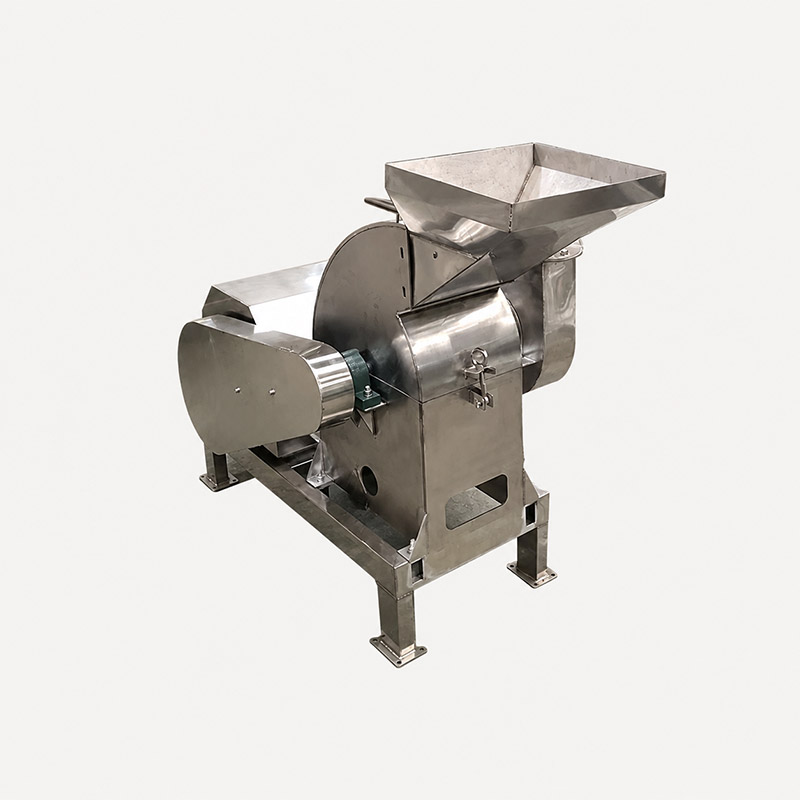
Common Applications for Laboratory Paddle Mills
Paddle mills are widely used in various industries for sample preparation and small-scale crushing. Typical applications include:
- Coal and coke analysis: Crushing coal samples to a specific particle size for calorific value testing, proximate analysis, or ash content determination.
- Ore and mineral processing: Breaking down ore samples before grinding or chemical analysis.
- Chemical and pharmaceutical raw materials: Reducing lumps of chemical reagents or intermediates for quality control.
- Building materials and ceramics: Crushing cement clinker, gypsum, limestone, or glass for laboratory testing.
- Environmental and soil analysis: Preparing soil, sediment, or solid waste samples for contaminant analysis.
Because the impact mechanism works best on brittle materials, paddle mills are less suitable for fibrous, ductile, or sticky substances. For those materials, a shear-based shredder or cryogenic milling may be more appropriate.
Key Factors to Consider When Choosing a Paddle Mill
Selecting the right paddle mill for your laboratory requires balancing several factors. Here are the most important ones to evaluate:
Material Hardness and Brittleness
Paddle mills handle materials with a Mohs hardness up to about 4–5 effectively. For harder materials, the wear rate on paddles and screens increases significantly, and you may need to pre-crush the material to a smaller feed size. Always check the manufacturer's recommendations for your specific material.
Feed Particle Size and Desired Output
Most laboratory paddle mills accept feed sizes up to 50–100 mm, depending on the model. The output size is controlled by the sieve screen. For example, a screen with 1 mm apertures typically produces a product with 90% passing 1 mm, but the actual distribution depends on the material and operating conditions.
Sample Throughput per Batch
Laboratory units are designed for batch processing, typically handling 100 g to 10 kg per operation. If you need higher throughput, consider a continuous-feed model or a larger industrial unit. For occasional use, a smaller bench-top model is more cost-effective.
Dust and Contamination Control
Crushing generates dust, which can be problematic for sensitive samples or operator safety. Many laboratory paddle mills feature a sealed crushing chamber, a dust outlet for connection to a vacuum system, or a dust-free design. For materials that are toxic or reactive, additional containment measures are necessary.
Cleaning and Cross-Contamination Prevention
In multi-sample laboratories, easy cleaning is critical. Look for a paddle mill with a detachable crushing chamber, smooth surfaces, and quick-release clamping mechanisms. Stainless steel construction is preferred for its cleanability and corrosion resistance.
Practical Operating Tips for Better Results
To achieve consistent and reproducible crushing results, keep these tips in mind:
- Pre-crush large lumps: If your feed contains particles larger than the recommended maximum size, reduce them with a jaw crusher or hammer first to avoid jamming the paddle mill.
- Use the correct screen: Select a screen aperture that matches your target particle size. Running a material through a coarser screen first, then a finer one, can improve efficiency and reduce wear.
- Check moisture content: Materials with high moisture (above 10–15%) tend to clog the screen and reduce throughput. Drying the sample beforehand is often necessary.
- Monitor temperature rise: Extended crushing can heat the material, which may affect heat-sensitive samples. Intermittent operation or short bursts can mitigate this.
- Regular maintenance: Inspect paddles and screens for wear and replace them as needed. Worn components reduce crushing efficiency and produce inconsistent particle sizes.
Why Choose a TENCAN Paddle Mill for Your Lab?
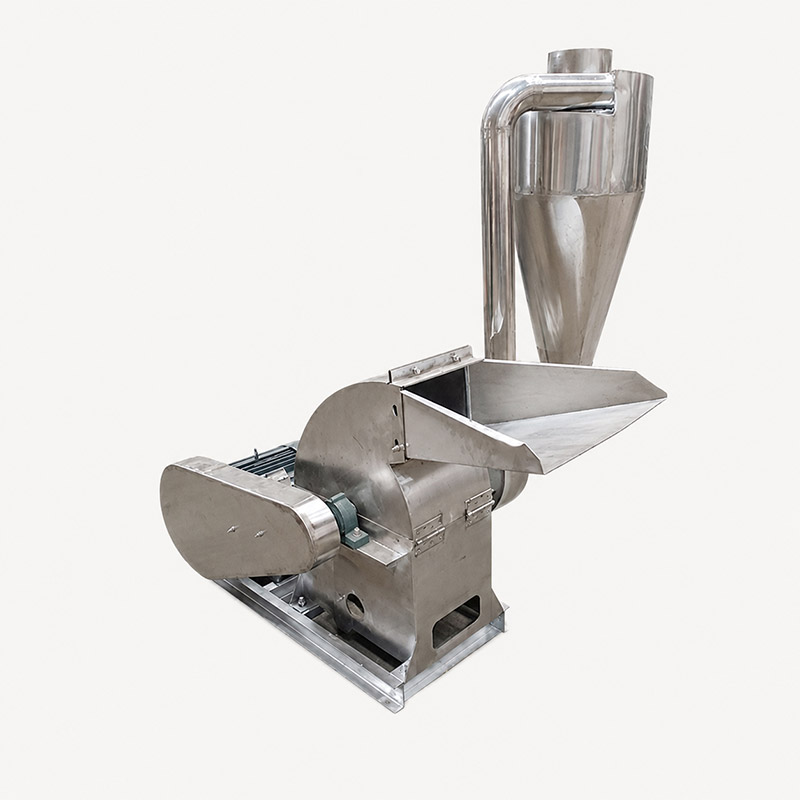
TENCAN offers a range of laboratory paddle mills designed for reliable and efficient size reduction. Our paddle mill series features robust stainless steel construction, adjustable rotor speed, easy-to-change sieve screens, and a sealed chamber to minimize dust. Whether you are crushing coal, ore, chemicals, or construction materials, we can help you select the right model and configuration based on your specific material properties and processing requirements.
Our technical team considers factors such as material hardness, feed size, target particle size, batch quantity, and acceptable contamination level to recommend the most suitable paddle mill. We also provide guidance on initial operating parameters like rotor speed and screen selection to help you achieve reproducible results from the first run.
If you are uncertain about whether a paddle mill is the right choice for your material, or if you need assistance with sizing and configuration, feel free to reach out to our team. We are here to support your laboratory with practical, experience-based advice.