
Understanding the Purification System Box: The Core of a High-Performance Glove Box
What Is a Purification System Box and Why Does It Matter?
When you work with air-sensitive materials—lithium battery electrolytes, organic photovoltaic compounds, metal hydrides, or nanoparticles that oxidize instantly—the quality of your inert atmosphere directly determines whether your experiment succeeds or fails. Simply purging a glove box with nitrogen or argon will not bring the water and oxygen concentration down to the levels required for reproducible, contamination-free results. This is where a purification system box becomes essential.
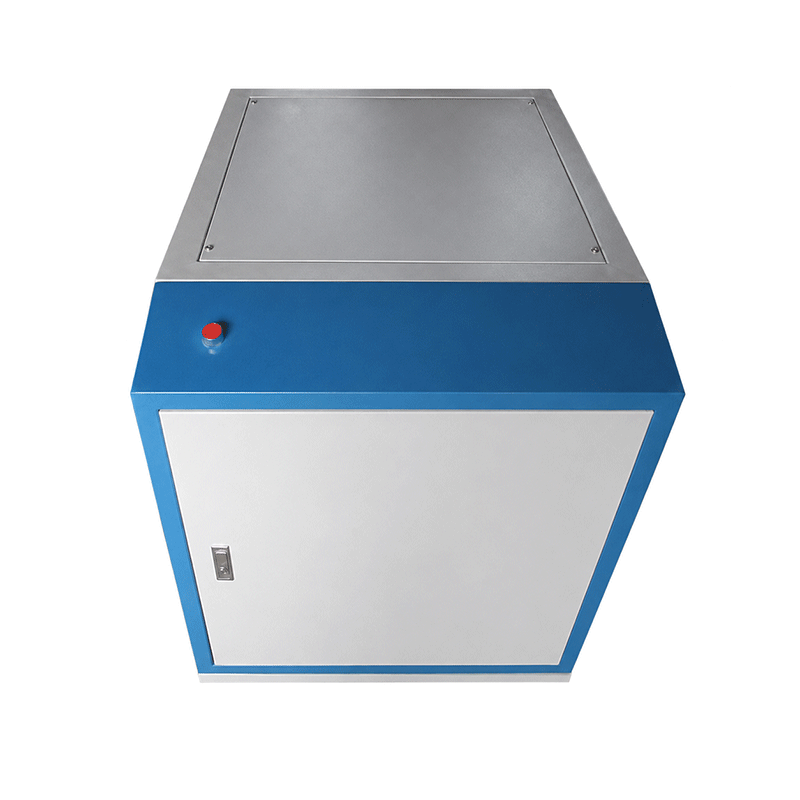
A purification system box is the integrated module that continuously circulates the glove box atmosphere through a purifier (also called a getter) to remove moisture and oxygen. It is the heart of a high-performance glove box. Without it, even a well-sealed glove box will quickly accumulate moisture and oxygen from the operator's hands, the gloves themselves, and the materials introduced. With a properly functioning purification system, you can maintain H₂O and O₂ concentrations below 1 ppm, enabling you to handle even the most reactive substances under controlled conditions.
How the Purification System Works: A Closer Look at the Process
The purification system box operates on a closed-loop circulation principle. A gas-tight blower (typically a circulation fan or pump) draws the atmosphere from the glove box main chamber, pushes it through the purifier column, and returns the purified gas back into the chamber. The purifier contains a specially formulated material, often a combination of molecular sieves and a copper-based catalyst, that adsorbs water vapor and chemically binds oxygen.
Key Components of the Purification System Box
- Purifier Column (Getter): A stainless steel vessel filled with adsorbent and catalyst material. It is designed to capture H₂O and O₂ efficiently. The purifier is regenerable, meaning it can be heated and flushed with a regeneration gas (typically a mixture of N₂/H₂ or Ar/H₂ containing 3–5% hydrogen) to restore its capacity.
- Circulation Blower: Provides the motive force for the gas loop. Industrial-grade blowers can achieve flow rates of 60–80 m³/h at moderate pressure drops, ensuring the entire glove box volume is turned over many times per hour.
- Valves and Gas Connections: Pneumatic or manual valves control the direction of gas flow during normal operation, regeneration, and standby. KF-40 vacuum fittings are commonly used to maintain leak-tightness.
- Heating System: During regeneration, the purifier column is heated to 200–300°C, depending on the adsorbent, to drive off the captured water and oxygen. The heating is controlled by a programmable logic controller (PLC) for consistent, repeatable cycles.
- Cooling System: After regeneration, the purifier must be cooled down before returning to normal operation. Most systems use a water cooling coil (flow rate 2–3 L/min) to accelerate this process.
The Regeneration Cycle
Over time, the purifier saturates with moisture and oxygen. Regeneration is the process of restoring its capacity. The system automatically heats the purifier while a small flow of regeneration gas (N₂/H₂ or Ar/H₂ mixture) passes through, carrying the desorbed contaminants to the exhaust. After heating, the purifier is cooled using the integrated cooling system, and then the circulation loop is re-established. A well-designed system can perform hundreds of regeneration cycles before the purifier material needs replacement.
Performance Parameters: What to Look For
When selecting a glove box with a purification system, you should evaluate several key parameters that determine how well the system will serve your research:
| Parameter | Typical Value | Why It Matters |
|---|---|---|
| H₂O and O₂ concentration after purification | < 1 ppm | Ensures ultra-pure atmosphere for air-sensitive materials. |
| Circulation flow rate | 70 m³/h (typical) | Higher flow rates mean faster recovery after glove changes or material entry. |
| Purifier regeneration temperature | 200–300°C | Determines the completeness of regeneration and the purifier lifetime. |
| Cooling water requirement | 2–3 L/min | Necessary for efficient post-regeneration cooling. |
| Leak rate of purification system | < 10⁻⁵ mbar·L/s | Low leak rate ensures long-term stability of the inert atmosphere. |
These values are typical for modern laboratory glove box purification systems. Actual performance may vary depending on the specific design and operating conditions. Always consult the manufacturer's data sheet for the exact specifications of your system.
Applications That Rely on a High-Quality Purification System
The purification system box is indispensable in several fields:
- Lithium Battery Research & Production: Electrolyte filling, electrode preparation, and coin cell assembly must be done in a dry, oxygen-free environment. Even trace moisture can cause decomposition of the electrolyte and formation of HF, degrading battery performance.
- Organic Electronics (OLED, PLED): Organic materials used in displays and lighting are extremely sensitive to oxygen and water. A glove box with a purification system allows device fabrication and encapsulation under inert atmosphere.
- Materials Science & Nanotechnology: Air-sensitive nanoparticles, quantum dots, and metal-organic frameworks (MOFs) require handling under controlled atmospheres to prevent oxidation or hydrolysis.
- Pharmaceutical & Chemical Synthesis: Some catalysts and intermediates are highly reactive toward water or oxygen. A purification system box enables safe and reproducible synthesis.
- Nuclear & Specialty Applications: Handling tritium, plutonium, or other radioactive materials requires an inert atmosphere combined with high containment. The purification system maintains the atmosphere while the glove box provides a barrier.
Selecting the Right Purification System Box for Your Lab
Choosing the appropriate purification system depends on several factors:
1. Glove Box Size and Volume
The purification system must be sized to handle the total volume of the glove box. A larger chamber requires a higher circulation flow rate or a larger purifier capacity to maintain the < 1 ppm level. Most manufacturers provide a guideline: for example, a single-purifier system may be sufficient for a standard single-operator glove box (approximately 0.5–0.8 m³), while dual-purifier systems are recommended for larger multi-operator boxes.
2. Regeneration Cycle Frequency
How often you need to regenerate depends on the amount of moisture and oxygen introduced during operation. Frequent glove changes, introduction of wet materials, or high humidity in the lab environment will shorten the time between regenerations. Some systems offer automatic regeneration scheduling based on purifier condition monitoring.
3. Compatibility with Process Gases
Most purification systems are designed for nitrogen, argon, or helium. Confirm that your chosen system can handle the working gas you intend to use. Some systems require a specific regeneration gas mixture (e.g., N₂/H₂ with 3–5% H₂).
4. Control and Automation
Modern purification system boxes are equipped with a PLC and a touch-screen interface that allows you to set pressure, monitor H₂O and O₂ levels, and control regeneration cycles automatically. This reduces operator error and improves reproducibility.
5. Footprint and Installation
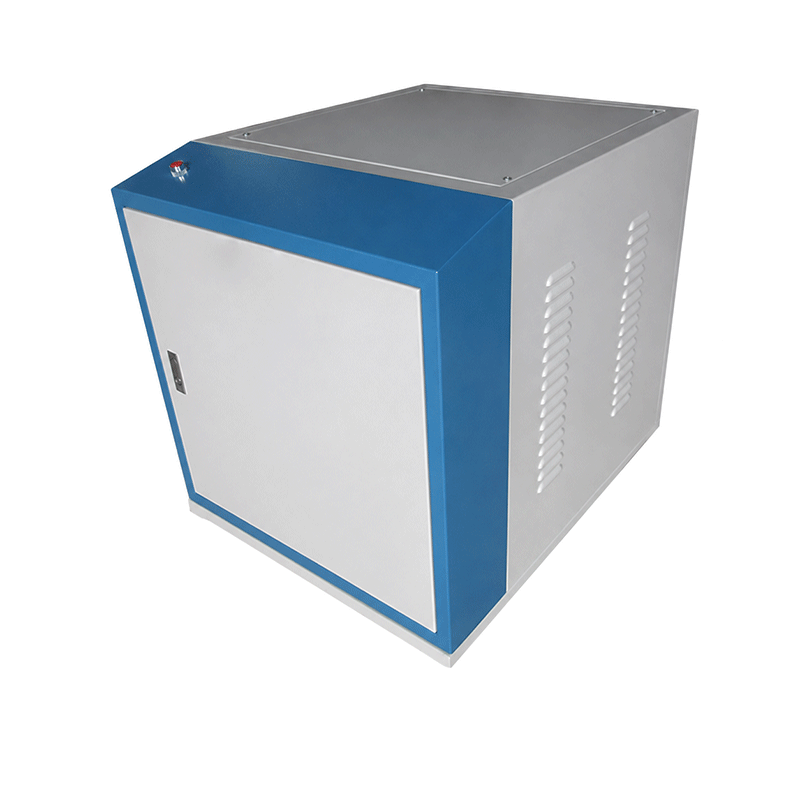
The purification system is typically housed in a separate cabinet or attached to the glove box. Check the dimensions and ensure that you have adequate space for the unit, as well as access for maintenance and cooling water connections.
Maintenance and Troubleshooting Tips
To keep your purification system box performing at its best, follow these guidelines:
- Regularly monitor H₂O and O₂ sensors: Calibrate them according to the manufacturer's schedule. Drift in sensor readings can lead to false confidence in the atmosphere quality.
- Check the circulation blower: Listen for unusual noises or vibrations. A failing blower will reduce gas flow and degrade purification efficiency.
- Maintain the regeneration gas supply: Ensure that your regeneration gas mixture (N₂/H₂ or Ar/H₂) is of high purity and that the hydrogen concentration is within the specified range (typically 3–5%).
- Inspect seals and valves: Leaks in the purification loop will allow ambient air to enter, overwhelming the purifier. Perform a leak test periodically.
- Replace the purifier material when necessary: After many regeneration cycles (typically 100–300 cycles, depending on the system), the purifier's capacity will decline. The manufacturer will provide a replacement schedule.
Final Thoughts
The purification system box is not an optional accessory—it is the core component that transforms a simple glove box into a reliable inert atmosphere workstation. Whether you are developing next-generation batteries, synthesizing air-sensitive catalysts, or fabricating organic electronic devices, investing in a high-quality purification system box ensures that your experimental results are not compromised by atmospheric contamination. By understanding how the system works, what parameters to evaluate, and what maintenance is required, you can select a system that will serve your research faithfully for years.
For more detailed technical specifications and to discuss your specific application, please visit our product page for the glove box with purification system. Our team of engineers can help you choose the right configuration, including the appropriate purifier size, blower capacity, and automation level, to match your laboratory's needs.