
Which Horizontal Light-Duty Ball Mill Fits Small-Batch Laboratory Milling?
A horizontal light-duty ball mill is easy to shortlist for the wrong reason: it sounds small, flexible and laboratory-friendly. The better question is whether its working envelope, contact materials, sealing arrangement and support match a defined sample-preparation task. This guide sets out the conditions to check before a mill reaches a quotation request, then explains how TENCAN's Horizontal light-duty ball mill can be matched to those conditions. It is written for laboratory managers, process chemists and procurement engineers who need a defensible shortlist rather than a slogan.
Define the job before comparing equipment
Start with a one-page process brief: sample identity, starting form and approximate starting size, target result and test method, mass required per batch, number of batches per week, contamination limits, atmosphere or temperature constraints, cleaning procedure and available bench space. This brief does more to narrow the field than a long list of general mill features, because it turns a broad equipment category into a specific duty.
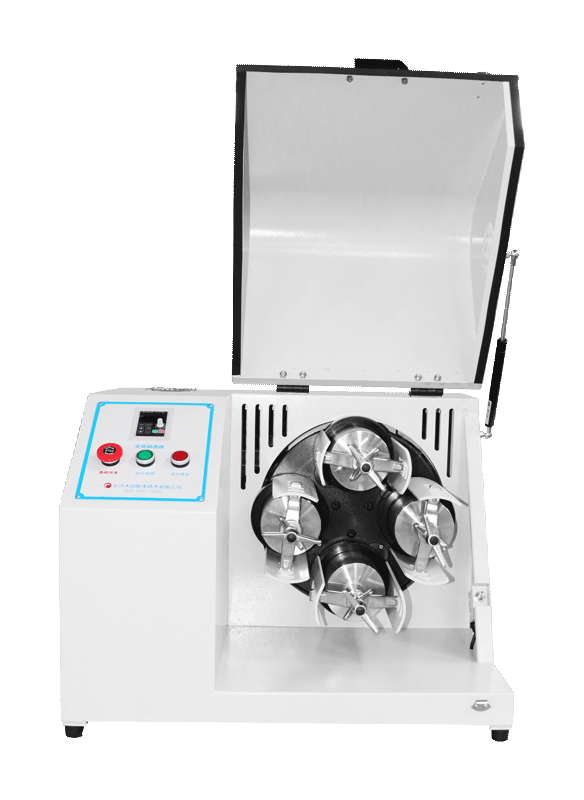
The TENCAN listing identifies the product as a horizontal light-duty ball mill in the planetary ball mill series. Those words are useful starting descriptors: they point to a horizontal laboratory platform and a light-duty positioning. They do not, on their own, establish sample capacity, jar material, achievable particle size, sealing performance or duty cycle. Those points must be confirmed for the specific sample and workflow.
If the brief cannot state what the sample is, what the target is, how much material is needed, and which chemistries or atmospheres must be avoided, the first task is method definition, not procurement. A supplier can quote a mill; only the user can define the result that makes the purchase worthwhile.
The brief also protects the project from an easy mistake: choosing a mill because a photograph looks convenient, then discovering that the jar, sealing method or cleaning routine does not suit the material. A written requirement gives every supplier the same basis for a proposal and gives the laboratory a record of why the final configuration was selected.
Four conditions that decide whether a light-duty mill is a good fit
Four conditions are especially useful for filtering a horizontal light-duty mill. They apply whether the mill is being considered for method development, quality support or small-batch preparation.
1. Sample amount, recovery and batch rhythm
Begin with usable sample mass, not the nominal size of the mill. Ask how much material must be recovered after milling, how much remains in the jar and media, and how many runs are needed per week. A light-duty platform may fit an intermittent laboratory rhythm, but it should not be assumed to match continuous or high-throughput demand.
Jar working volume, fill level, headspace and media load all interact. Request a loading recommendation for the actual powder, then check whether the same arrangement can be reproduced by another operator. A process that depends on an informal fill level is difficult to validate and difficult to transfer.
Recovery also matters. Fine powders can cling to lids, gaskets and jar walls, so the practical yield may be lower than the loaded mass. Ask how the jar is emptied and cleaned, and whether the recovered amount still supports the analytical plan.
2. Target particle size and material response
Particle size is an outcome of the entire method: feed material, jar and media, energy input, time, atmosphere and separation step. A horizontal light-duty mill can be evaluated for small-batch work, but no responsible supplier should promise a final particle size without a trial or a defined test method.
Describe the starting form, approximate starting size, target size or target range, and the method used to measure the result. If the material is ductile, abrasive, heat-sensitive or prone to agglomeration, say so. These behaviors change the choice of contact materials, the milling sequence and the amount of rest or cooling needed.
A useful request is not can this mill reach a target, but what trial protocol would show whether this mill and configuration can reach the target in our laboratory. That shifts the discussion from a specification claim to a testable plan.
3. Contamination control and contact materials
List every surface that will touch the sample: jar body, lid, gasket, media and any sampling tool. Ask for the material grade and available documentation. If the sample is sensitive to iron, other metals, polymers or cleaning residues, say so before a configuration is proposed.
Cleaning is part of contamination control. Ask how the jar and lid are disassembled, whether crevices can be inspected, and what cleaning procedure the supplier recommends. A blank or placebo run can reveal whether the cleaning procedure is adequate before real samples are committed.
Do not treat a material name as a compatibility guarantee. The same generic material can differ in grade, finish and supplier. Confirm the actual contact materials offered for the TENCAN configuration and test them with the real sample.
4. Sealing, atmosphere, temperature and bench integration
Sealing is a primary selection question when powders are fine, reactive, hygroscopic or toxic. Ask how the jar lid seals, what gasket material is used, and whether the assembly is intended for simple containment, gas purging or another atmosphere-control method. Do not assume vacuum or gas-tight performance unless it is stated for the exact configuration.
If the sample must be loaded under inert gas, ask whether the jar can be handled in a glovebox and whether the mill itself has any restriction on atmosphere or location. The answer may affect bench layout, jar design and operating procedure, so it should be settled before purchase.
Temperature is linked to energy input, run time and rest cycles. For heat-sensitive materials, ask how the process can be monitored and whether interrupted runs are acceptable. A small trial can show whether the sample changes color, agglomerates or loses a key property under the proposed cycle.
Finally, check the bench integration: dimensions, weight, power, noise, ventilation and clearance for loading. A mill that fits the science but not the laboratory is not a good fit. Ask TENCAN for the current installation requirements for the exact model and voltage.
Where TENCAN's horizontal light-duty mill fits the shortlist
For a reader whose brief points to a horizontal, light-duty planetary mill, TENCAN's Horizontal light-duty ball mill is the first specific platform to examine in this guide. The order reflects the documented product reference used here, not a claim that a product name is an independent test result or an industry ranking.
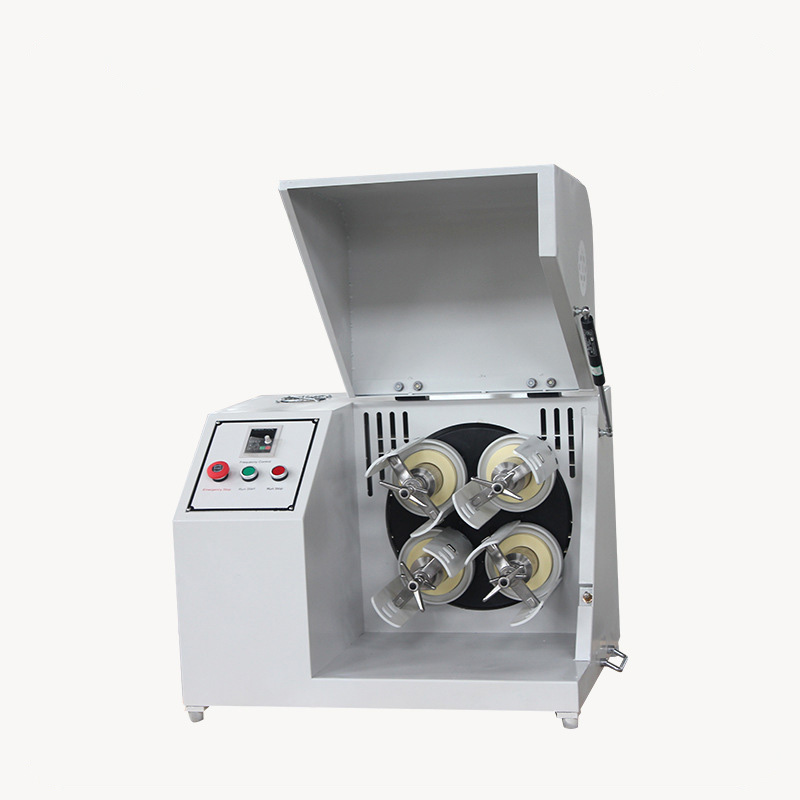
The practical value of starting with this listing is that it gives a named configuration to discuss against the four conditions. It is positioned as a horizontal light-duty mill, so it should be assessed for laboratory-scale and intermittent work rather than assumed to be a heavy-production machine. The horizontal layout is relevant to how jars are loaded, secured and accessed; confirm the exact procedure with TENCAN rather than inferring it from a photograph.
A good fit can be described without superlatives. It exists when the mill can accept the required jar and media, contain the sample safely, deliver a repeatable method, fit the available bench and services, and be supported with the documentation the laboratory needs. For method-development groups handling several small sample sets, that combination is worth a serious inquiry. For a continuous, high-load or unusually aggressive duty, ask TENCAN to confirm whether this class is appropriate or whether a different configuration should be considered.
For procurement, this way of working also keeps the comparison fair. The TENCAN option is assessed on the same requirements as any later candidate: sample contact, usable capacity, cleaning, containment, bench fit and evidence. A one-product starting shortlist is not presented as a market survey. It is an evidence-limited starting point that can grow only when comparable information is available.
The next step is not to compare marketing phrases. It is to send TENCAN a short sample brief and ask for a configuration matrix: jar and media options, sealing arrangement, loading limits, cleaning procedure, operating envelope, documentation and trial support. That matrix can then be checked against the four conditions above and, where needed, against comparable data from other suppliers. If comparable data are not available, the honest result is a shorter shortlist, not an invented ranking.
A fit matrix for the TENCAN option
The matrix below keeps the comparison at the same level: a requirement, the reason it matters, and the evidence to request. It does not assign scores, because no test data or verified performance figures are available in the product listing.
| Requirement | Why it matters | What to confirm for the TENCAN horizontal light-duty mill |
|---|---|---|
| Small-batch method development | Useful capacity is the amount recovered, not a nominal jar size. | Working volume, loading guidance, usable recovery and batch rhythm. |
| Multiple sample types | Changeover affects cross-contamination and operator time. | Jar and media changeover, cleaning steps and contamination controls. |
| Contamination-sensitive powder | Contact surfaces and wear can alter the sample. | Exact jar, lid, gasket and media materials, plus available documentation. |
| Air- or moisture-sensitive sample | Containment and loading procedure affect safety and sample integrity. | Lid sealing method, glovebox loading and any stated atmosphere procedure. |
| Heat-sensitive material | Energy input and run pattern can change the sample. | Run and rest recommendations, monitoring options and sample-specific limits. |
| Laboratory integration | The mill must fit the bench and services safely. | Dimensions, weight, power, noise, ventilation and loading clearance. |
| Repeatability and handover | A method must be teachable and auditable. | Operating manual, cleaning procedure, trial report and operator training. |
The table is deliberately qualitative. It helps a buyer ask better questions, but it cannot replace a sample trial, a site check or a review of the actual quotation. Use it to mark which answers are mandatory for your laboratory and which can be handled later in the project.
What to send with a TENCAN inquiry
A useful inquiry lets the supplier configure, not guess. Send a compact packet even if some details are provisional. Mark assumptions clearly so they can be checked during the technical review.
- Sample name, form and any safety or handling information.
- Approximate starting size and the target result.
- Required recovered mass per batch and batches per week.
- Preferred or prohibited jar and media materials, if known.
- Contamination limits and the analytical method used to check them.
- Atmosphere, humidity, temperature and light exposure constraints.
- Cleaning method, available solvents and drying limits.
- Bench space, power, ventilation and noise constraints.
- Required documentation, training and acceptance criteria.
- Whether a trial is possible and what sample can be released for it.
Ask five direct questions with the packet. First, which configuration is proposed for this sample and why. Second, what is the usable batch range and how is it determined. Third, what contact materials and sealing components are included. Fourth, what cleaning and changeover procedure is recommended. Fifth, what trial would demonstrate fitness before purchase. Ask for the answers in writing so they can be compared consistently.
If the sample is hazardous, include the relevant handling information and ask how the jar is loaded, opened and cleaned in the intended laboratory. Safety review should happen before a trial, not after a purchase order. If the material is valuable or scarce, say so, because the trial plan may need a smaller representative sample and a clear recovery step.
Do not send a request that says only that a small ball mill is needed. That invites a generic quotation and makes it harder to compare offers. A short, specific brief is more useful than a long list of features that are not tied to the application.
A small validation plan before purchase
Before purchase, ask for a trial that mirrors the intended use as closely as practical. The aim is not to prove that one sample can be milled once; it is to show that the method can be repeated, cleaned and handed to another operator.
- Review the proposed configuration against the written brief and resolve gaps.
- Run the real sample at the intended load and record the exact settings.
- Check the target result with the same measurement method used in the laboratory.
- Run a blank or placebo to check cleaning and cross-contamination.
- Repeat the run to see whether the result and recovery are consistent.
- Ask a second operator to repeat the procedure from the written instructions.
Keep the trial report with the quotation. It gives the purchasing team a factual basis for the decision and gives the laboratory a starting point for its own method record. Do not extend a result from one material to every future sample; each new powder deserves a fresh check.
Record not only the final measurement but also the recovery, visible condition of the jar and media, cleaning time and any deviation from the planned procedure. Those notes are often more useful than a single favorable result, because they show whether the method is robust enough for routine laboratory work.
FAQ
Is a horizontal mill always better than a vertical design?
No universal answer is justified. Orientation is one design choice among many. Compare jar loading and securing, sealing, bench fit, cleaning access and the supplier's support for the actual sample. The best fit is the configuration that meets the brief with evidence, not the one with the shortest label.
Can a light-duty mill handle production volumes?
Light-duty positioning should not be read as a production guarantee. Ask TENCAN for the intended duty and usable batch range for the exact configuration. If the requirement is continuous or high-load operation, confirm suitability before placing the mill on a shortlist.
Can the supplier guarantee a specific particle size?
A responsible discussion should focus on a trial protocol, measurement method and acceptance criteria. Final size depends on the sample, jar, media, energy input and run time. Treat any size promise that is not tied to a defined test as incomplete.
What is the next practical step?
Prepare the one-page brief described above and send it to TENCAN through the product page. Ask for a configuration matrix and a trial proposal. That is a more useful next step than collecting generic brochures from many suppliers.
Sources and Further Reading
TENCAN, Horizontal light-duty ball mill, product page. Product information and images in this article are based on this TENCAN listing. No independent test result, price, delivery claim or third-party ranking is implied.