
Glove Box FAQ: 20 Questions About Operation, Purification & Maintenance
A glove box can look simple from the outside, but stable operation depends on several systems working together: chamber sealing, inert-gas replacement, antechamber transfer, gas circulation, oxygen and moisture purification, pressure control, analyzers and routine maintenance.
This guide answers 20 common questions from new and experienced glove-box users. It also clarifies an important point: not every glove box is the same. A basic acrylic isolation box, a stainless-steel vacuum glove box and a circulating purification glove box have different structures, atmosphere-control capabilities and operating procedures.
TENCAN reference: The current GBP glove box with purification system is specified for H2O ≤1 ppm and O2 ≤1 ppm under standard conditions, with a transition-chamber vacuum value of <100 Pa and a chamber pressure range of -3000 to +3000 Pa. Actual operating targets should be set according to the material, process and laboratory SOP.
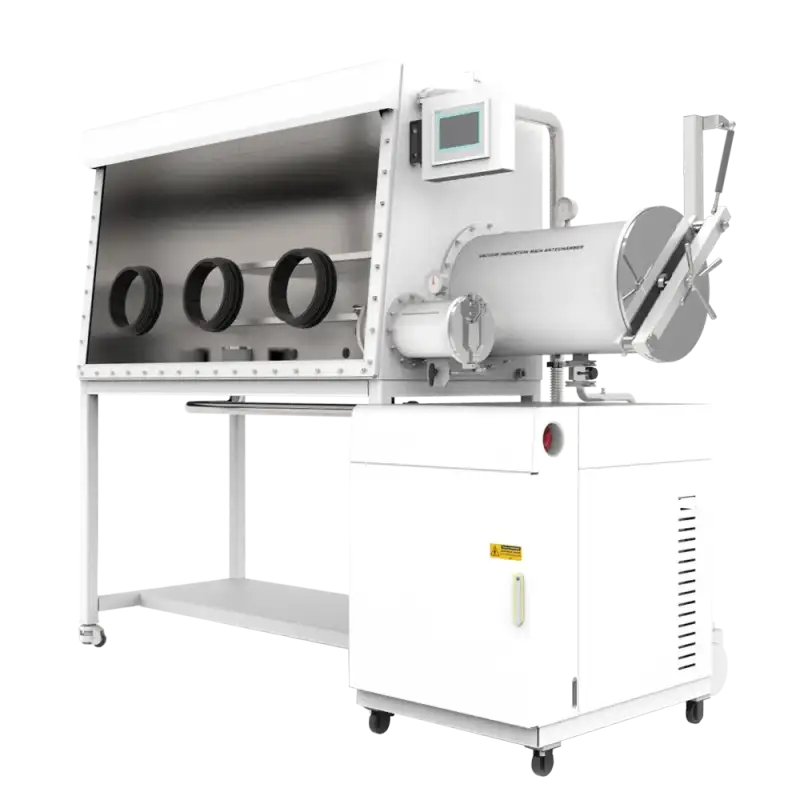
Q1. What Is a Purification Glove Box, and What Is Its Core Function?
A purification glove box is a sealed working enclosure designed to maintain a controlled inert atmosphere, commonly using nitrogen or argon. Its core purpose is to reduce and continuously control oxygen and water vapor so that air- and moisture-sensitive materials can be handled without direct exposure to the laboratory atmosphere.
It is important not to use “vacuum glove box,” “acrylic glove box” and “purification glove box” as interchangeable terms. A vacuum-replacement box primarily removes air through evacuation and inert-gas replacement, while a purification glove box adds continuous gas circulation and purification for long-term low-ppm control.
Q2. How Does a Glove Box Continuously Remove Oxygen and Moisture?
The central mechanism is a closed-loop gas purification system. A circulation blower moves the inert gas from the working chamber through a purification column. The purification media remove residual H2O and O2, and the purified gas returns to the chamber.
TENCAN's GBP system combines gas circulation, water/oxygen removal, analyzer monitoring and automatic or manual control. When the purification material reaches its usable capacity, the system supports a restoration/regeneration process.
Q3. What Is the Purpose of the Antechamber?
The antechamber, also called a transition chamber or transfer chamber, is the buffer between the external laboratory atmosphere and the purified main chamber. It allows samples, tools and containers to enter or leave without opening the main chamber directly to room air.
Before the inner antechamber door is opened, most of the external air inside the transfer chamber is removed by evacuation and/or inert-gas replacement. This greatly reduces the oxygen and moisture load introduced into the main chamber.
Q4. What Is the Correct Procedure for Transferring Items Through the Antechamber?
The exact evacuation and refill sequence should follow the equipment manual and your laboratory SOP. A general transfer-in procedure is:
- Confirm that the inner antechamber door is closed.
- Open the outer door, place the prepared items inside and close the outer door securely.
- Evacuate and/or replace the antechamber atmosphere with the same inert gas used in the main chamber.
- Repeat the transfer cycle as required to meet the target atmosphere.
- Confirm the transfer chamber is at an appropriate pressure before opening the inner door.
- Move the items into the main chamber and close the inner door promptly.
Avoid treating a fixed number such as “three vacuum/fill cycles” as a universal rule. Required cycles depend on antechamber size, vacuum performance, gas quality, material load and the atmosphere specification.
Q5. How Can I Tell Whether the Glove Box Is Operating Normally?
Check several indicators together instead of relying on one number:
- Oxygen and moisture readings: stable and appropriate for the process.
- Chamber pressure: stable within the configured operating range.
- Circulation status: blower and purification loop operating without abnormal alarms.
- Gloves and seals: no tears, loose clamps or visible seal damage.
- Antechamber status: doors close correctly and the chamber evacuates/refills normally.
- Trend data: recovery behavior is consistent after comparable material transfers.
Q6. Why Is Chamber Pressure Important?
Pressure control helps maintain atmosphere stability and compensates for the volume changes caused by glove movement. Many inert-atmosphere processes operate around a slight positive pressure so that small leakage paths are less likely to draw room air inward.
However, the correct pressure is system- and process-dependent. TENCAN's GBP specification gives a chamber pressure capability of -3000 to +3000 Pa, while the pressure sensor is used for controlled operation within the configured set points. Users should follow the machine settings rather than manually forcing the chamber to an arbitrary pressure.
Q7. The Oxygen or Moisture Alarm Suddenly Goes High. What Should I Check First?
Use a structured troubleshooting sequence:
- Pause sensitive work if the current atmosphere could affect the sample.
- Check the gloves, antechamber doors, main seals and recently used ports.
- Review the most recent transfer: were wet tools, porous packaging or undried samples introduced?
- Confirm circulation and purification are operating normally.
- Check whether both O2 and H2O rose together or only one parameter changed.
- If recovery remains slow, review purifier condition, analyzer status and recent system alarms.
Q8. What Is the Glove Box “Gas Replacement” or “Cleaning” Function?
Gas replacement removes a large amount of contaminated chamber gas and replaces it with inert gas. It is used when the chamber initially contains air, after a significant air-ingress event, or when the atmosphere is too contaminated for normal circulation purification to recover efficiently.
On the TENCAN GBP system, both the main chamber and transition chamber support manual or automatic gas replacement. The correct sequence is controlled by the equipment program and should follow the operating manual.
Q9. What Does Purification-System Regeneration Mean?
Over time, water- and oxygen-removal media accumulate contaminants and their effective capacity decreases. Regeneration restores the purification material so it can continue removing moisture and oxygen from the circulating gas.
The regeneration interval is not a universal number of weeks or months. It depends on transfer frequency, contamination load, gas quality, system leakage and operating history. TENCAN's GBP system includes an automatic restoration function that performs the regeneration process after the required restoration conditions are set.
Safety note: Purifier regeneration may involve heated components and a specified reducing gas depending on the system design. Follow the manufacturer's regeneration procedure and facility gas-safety requirements. Do not improvise gas composition or regeneration settings.
Q10. Why Might the Circulation Blower Fail to Start?
Possible causes include:
- A system alarm or safety interlock is active.
- The circulation path or filter is blocked.
- A valve is not in the required position.
- The drive, inverter, relay or electrical protection has tripped.
- The control system has not met the required start conditions.
TENCAN's GBP control system includes online working-condition detection and circulation-obstruction protection, which can help identify blocked filters, restricted piping or other circulation problems.
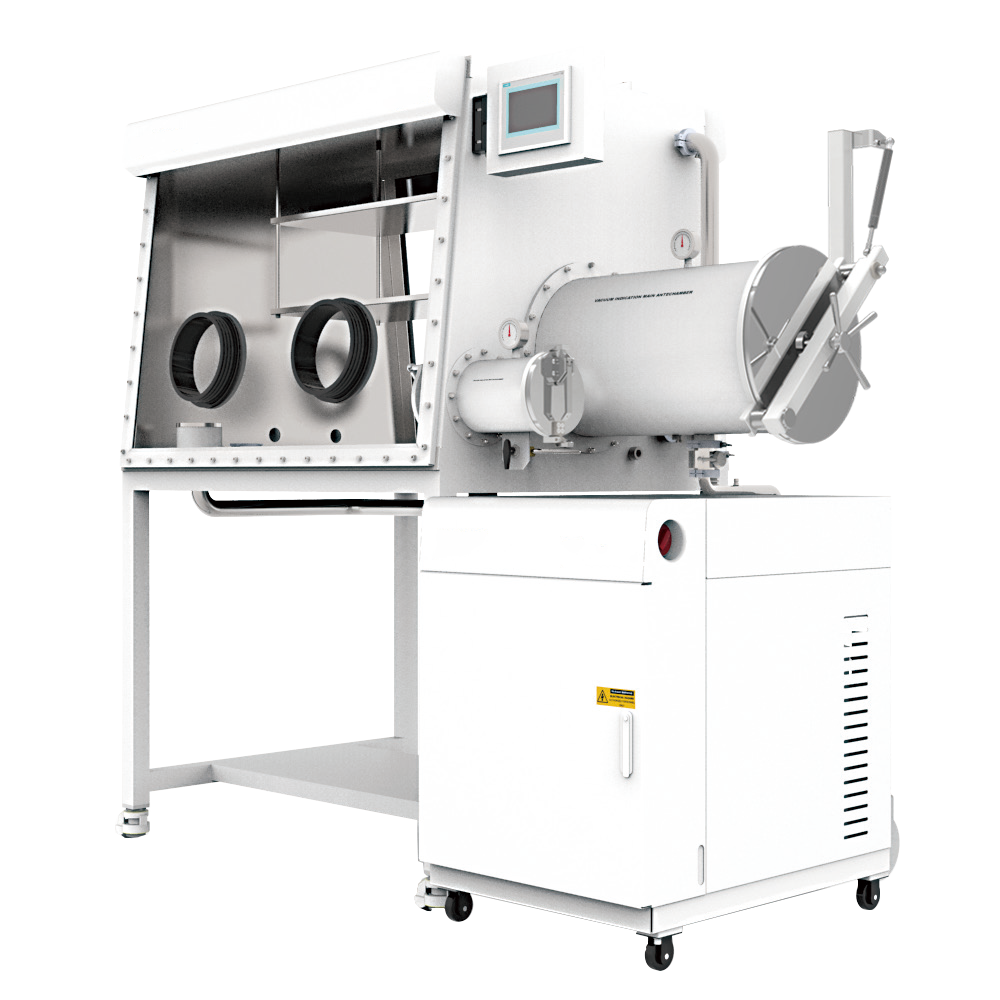
Q11. What Routine Maintenance Should Be Performed?
Maintenance frequency should follow the equipment manual and usage conditions rather than a generic daily/weekly/monthly replacement schedule. A practical maintenance framework is:
| Frequency | Recommended Checks |
|---|---|
| Before / after use | O2/H2O trend, chamber pressure, glove condition, antechamber doors, visible contamination and active alarms. |
| Periodic inspection | Seals, vacuum pump condition, filters, circulation performance, analyzer response and transfer-chamber vacuum performance. |
| As indicated by performance | Purifier regeneration, analyzer calibration/service, filter replacement, pump maintenance and leak inspection. |
Q12. What Safety Precautions Matter Most?
- Review the hazards and compatibility of every material before introducing it into the chamber.
- Do not introduce flammable, volatile, corrosive, toxic or unknown materials unless the glove box is specifically configured and approved for that process.
- Protect gloves from sharp tools, hot surfaces and moving equipment.
- Confirm electrical equipment is compatible with the internal atmosphere and available power connections.
- Use solvent-management or adsorption equipment when the process generates solvent vapor and the glove-box configuration supports it.
- Keep the chamber clean and remove process residues according to the laboratory's chemical-safety procedure.
Q13. How Do I Choose the Right Type of Glove Box?
Start with the atmosphere requirement, not the box material. TENCAN currently lists three main glove-box approaches: acrylic glove boxes, stainless-steel vacuum glove boxes and purification glove boxes.
| Type | Main Control Method | When to Consider It |
|---|---|---|
| Acrylic Glove Box (GBT) | Isolation, gas replacement or optional purification depending on configuration. | High visibility, compact laboratory isolation, teaching and applications where the required atmosphere can be met by the selected GBT configuration. |
| Stainless Steel Vacuum Glove Box (GBV) | Vacuum evacuation and inert-gas filling. | Robust sealed operation, vacuum replacement and laboratory work that does not require continuous low-ppm purification. |
| Purification Glove Box (GBP) | Closed-loop circulation plus continuous water/oxygen purification. | Battery materials, OLED, new-energy research and other processes requiring stable low oxygen and moisture. |
Q14. What Is the Difference Between Acrylic and Stainless-Steel Glove Boxes?
Acrylic and stainless steel differ mainly in construction, visibility, vacuum capability, strength and intended atmosphere-control method.
TENCAN's GBT acrylic glove-box series emphasizes transparency, light weight and flexible configurations. Some GBT models are isolation-only, while thicker models can support micro-vacuum or vacuum gas replacement and can be equipped with water/oxygen purification options depending on the model.
The GBV stainless-steel vacuum glove box is designed around a reinforced stainless-steel chamber and vacuum/inert-gas operation. The current GBV series includes several chamber sizes and transition-chamber configurations.
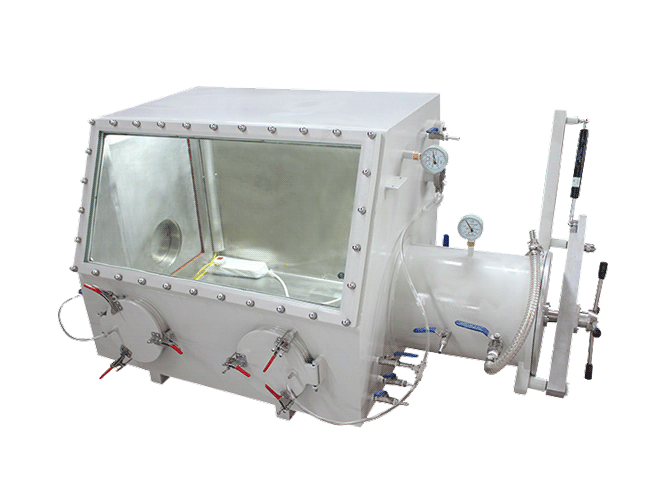
Q15. Which Research Fields Use Glove Boxes?
Glove boxes are used wherever samples or processes need isolation from ambient air, moisture, dust or other environmental contamination. TENCAN lists applications including:
- Battery and new-energy materials: lithium-ion batteries, lithium iron phosphate, solar-cell related research and supercapacitors.
- OLED and electronic materials: handling and processing of atmosphere-sensitive materials.
- Fine chemicals: controlled-atmosphere handling of air- or moisture-sensitive substances.
- Welding and joining: resistance, TIG, laser, plasma and brazing processes where atmosphere control is required.
- Medical and research applications: selected clean or isolated operating processes.

Q16. What Should I Do If the Oxygen or Moisture Analyzer Reading Looks Unstable?
First determine whether the atmosphere is actually changing or the measurement is questionable:
- Check whether a transfer, glove movement, gas replacement or process event occurred at the same time.
- Compare the reading with chamber pressure and the other atmosphere parameter.
- Review historical data for drift, spikes or a new baseline.
- Check the analyzer for alarms, contamination or service/calibration requirements.
- Use the calibration/service procedure specified for the installed analyzer rather than applying a generic calibration method.
TENCAN's GBP configuration lists 0–1000 ppm moisture and oxygen monitoring, 0.1 ppm display accuracy, touch-screen display and a one-click analyzer calibration feature on the current product page.
Q17. Why Is the Antechamber Evacuating Slowly or Failing to Reach the Required Vacuum?
Common causes include:
- Vacuum pump oil level, oil condition or pump performance has deteriorated.
- The antechamber door O-ring or sealing surface is dirty, damaged or obstructed.
- A vacuum valve is not opening correctly or a line is restricted.
- The load contains porous materials that release trapped gas or moisture during evacuation.
- The chamber contains a container or item unsuitable for vacuum transfer.
Compare evacuation time with a known normal cycle using an empty or standard load. If the problem persists, inspect the pump, seals and valves before repeatedly extending the vacuum time.
Q18. How Should a Glove Box Be Left During Long-Term Shutdown?
Long-term shutdown depends on the glove-box model, purifier type and facility policy. Before shutdown:
- Remove samples, chemicals and process waste.
- Clean and dry the internal working area using an approved procedure.
- Record oxygen, moisture, pressure, purifier status and outstanding alarms.
- Follow the manufacturer procedure for the circulation system, purifier and vacuum pump.
- Protect gloves, seals and exposed ports from mechanical damage during storage.
- Follow the recommended restart and gas-replacement procedure before returning the system to sensitive work.
Avoid applying a universal rule such as “power it on every one or two months” unless that interval is specified for the installed equipment.
Q19. Why Do the Gloves Sometimes Feel Stiff or Difficult to Move?
Glove feel is strongly affected by the pressure difference between the chamber and the room. If the chamber pressure is too low, the gloves can be pushed inward and become difficult to manipulate. If pressure is too high, they can expand outward and reduce control.
Use the glove-box pressure-control function rather than manually compensating without reference to the set point. TENCAN's GBP system includes a foot-operated pressure controller for gas replenishment and evacuation while the operator is working.
Q20. What Should a Beginner Learn First?
The most important skill is not memorizing every button. It is learning how your actions affect the chamber atmosphere. A new user should understand five habits before working independently:
- Never open the main chamber directly to room air. Use the antechamber correctly.
- Check the atmosphere before starting. Confirm O2, H2O and pressure are appropriate for the process.
- Prepare items before transfer. Minimize moisture, unnecessary packaging and contamination load.
- Watch trends, not only one reading. Learn how the system normally recovers after transfers and operations.
- Know when to stop and troubleshoot. Alarms, unusual pressure, damaged gloves or unexplained ppm increases should be investigated before continuing sensitive work.
Quick Troubleshooting Table
| Symptom | Possible Cause | First Action |
|---|---|---|
| O2 rises rapidly | Air leak, door/seal issue, glove damage, transfer error | Check seals, gloves, antechamber doors and recent operations |
| H2O rises rapidly | Wet tools, hygroscopic load, moist gas, process vapor | Review recently transferred materials and gas supply |
| Slow atmosphere recovery | High contamination load, reduced purifier capacity, circulation restriction | Check purifier status, circulation and transfer procedure |
| Antechamber vacuum is slow | Pump, seal, valve or porous load | Test with a standard load and inspect pump/sealing system |
| Gloves are hard to manipulate | Chamber pressure outside normal operating range | Check pressure reading and use the configured pressure-control function |
How to Choose Between GBT, GBV and GBP Glove Boxes
For model selection, send the supplier more than just the words “I need a glove box.” The following information has a direct impact on configuration:
- Material or experiment being handled
- Required O2 and H2O level
- Working gas: nitrogen, argon or other specified gas
- Required chamber dimensions and number of glove positions
- Largest item that must pass through the antechamber
- Whether continuous purification is required
- Internal equipment, electrical sockets, vacuum ports or gas/liquid feedthroughs
- Whether the process generates solvent vapor
- Data logging, temperature control or remote-service requirements
The TENCAN GBP series offers 2-, 3-, 4-, 6- and larger multi-glove configurations depending on chamber width and single- or double-sided operation, while the GBT and GBV series provide different acrylic and vacuum-chamber sizes for simpler isolation or vacuum-replacement applications.
Conclusion
Reliable glove-box operation is built around three principles: protect the chamber atmosphere during transfer, monitor the system continuously and respond to trends before they become major excursions.
For applications requiring stable low oxygen and moisture, a circulating purification glove box is fundamentally different from a basic isolation or vacuum-replacement box. TENCAN's GBP purification glove box is currently specified for ≤1 ppm H2O and ≤1 ppm O2 under standard conditions and integrates gas replacement, purification, pressure control, monitoring, data logging and purification-system restoration.
Need help selecting or configuring a glove box?
Send TENCAN your application, required O2/H2O level, chamber size, working gas, transfer dimensions and internal equipment requirements. Contact TENCAN for a suitable glove-box configuration »