
Two Working Station Jar Mill: A Practical Guide for Laboratory Grinding and Mixing
What Is a Two Working Station Jar Mill and Why Do You Need One?
If you work in a laboratory that regularly handles powder grinding, mixing, or dispersing, you have probably faced the challenge of processing multiple samples while keeping each batch consistent. A two working station jar mill is a compact, roll-type ball mill designed to hold two grinding jars simultaneously. It rotates the jars on a set of rollers, allowing the grinding media inside to tumble and impact the material. This design is widely used in research labs, universities, and small-scale production for tasks such as fine grinding, mechanical alloying, powder blending, and even colloidal dispersions.
Unlike high-energy planetary ball mills, a jar mill (also called a roll ball mill) operates at relatively lower rotational speeds, typically between 50 and 300 rpm depending on jar diameter and roller speed. This makes it especially suitable for materials that are sensitive to excessive heat or impact, or when you simply need a reliable, quiet, and easy-to-clean solution for routine grinding. The two-station version gives you the flexibility to process two different materials at the same time, or to duplicate the same experiment for better statistical reliability.
How Does a Two Working Station Jar Mill Work?
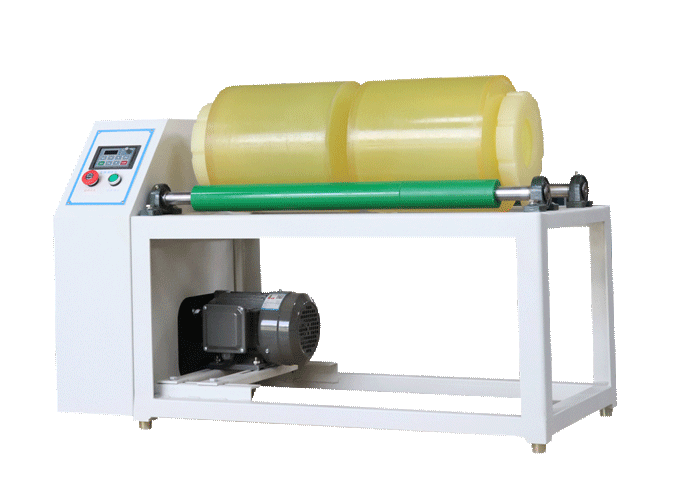
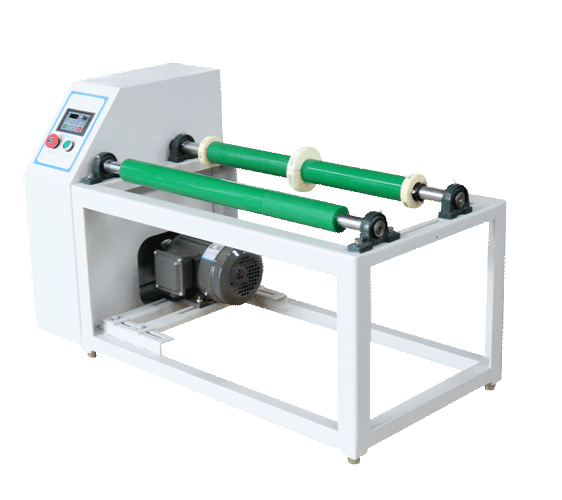
The working principle of a jar mill is straightforward. The machine consists of a set of parallel rotating rollers, usually covered with rubber or polyurethane to provide grip and reduce noise. The grinding jars are placed on top of these rollers. As the rollers rotate, friction causes the jars to rotate in the opposite direction. Inside each jar, grinding balls (or rods) are lifted by the rotating motion and then cascade or tumble down, crushing and shearing the powder particles.
In a two working station jar mill, there are two independent roller sets, each capable of accommodating one jar. The roller speed is often adjustable via a variable frequency drive, allowing you to control the tumbling intensity. The jars themselves can be made of various materials such as alumina, zirconia, stainless steel, nylon, polyurethane, or agate, depending on the contamination requirements and material hardness. The usable volume of each jar is typically about 60–70% of the total jar capacity, after accounting for the space taken by grinding media and sample.
One key advantage of the rolling action is that it is relatively gentle compared to shaker mills or planetary mills. This makes it ideal for materials that tend to overheat or agglomerate under high-energy conditions. For example, many ceramic powders, pharmaceutical ingredients, and battery electrode materials benefit from the controlled, low-shear environment of a jar mill.
Key Factors to Consider When Selecting a Two Working Station Jar Mill
Jar Material and Grinding Media
The choice of jar material is directly linked to the level of contamination you can tolerate. For high-purity applications, such as preparing advanced ceramics or electronic materials, alumina or zirconia jars are commonly used. If you need to avoid metal contamination entirely, agate or ceramic jars are preferred. For less demanding tasks, stainless steel or nylon jars offer good durability and lower cost. The grinding media should match the jar material in hardness and density to minimize wear. In many laboratory applications, the filling ratio of grinding balls to jar volume is about 30–50%, and the ball-to-powder weight ratio often falls between 5:1 and 10:1 for typical grinding tasks.
Jar Capacity and Sample Throughput
A two-station jar mill allows you to process two jars per batch. Common jar sizes range from 1 L to 10 L or more per jar, depending on the machine design. For routine lab work, 1 L to 5 L jars are typical. When selecting the jar capacity, consider the actual sample volume needed. Remember that the usable capacity is about two-thirds of the total jar volume. For example, a 5 L jar can effectively process around 3–3.5 L of material (including grinding media). If you need to mill larger quantities, you may want to consider a four-station or eight-station jar mill, or a larger roll ball mill.
Roller Speed and Milling Time
The rotational speed of the rollers directly affects the milling efficiency. At low speeds, the balls merely slide and do not produce sufficient impact. At very high speeds, the balls may be pinned to the jar wall by centrifugal force, reducing grinding action. The optimal speed depends on the jar diameter, but a general rule of thumb is to run at 60–80% of the critical speed. Most lab jar mills offer speed control in the range of 50–300 rpm. Milling time can vary from 30 minutes to several hours, depending on the material hardness, target particle size, and ball-to-powder ratio. For example, soft minerals may reach a fine powder within 2–4 hours, while harder ceramics may require 8–12 hours or more.
Practical Applications of a Two Working Station Jar Mill
This type of equipment is commonly found in laboratories focusing on:
- Ceramic and glass processing: Grinding frits, glazes, alumina, zirconia, and silicon carbide powders.
- Battery material research: Mixing and dispersing active materials, conductive additives, and binders for electrode slurries.
- Mineral processing: Reducing ore samples for assay or further analysis.
- Pharmaceutical and chemical: Size reduction of active ingredients, excipients, or catalysts.
- Mechanical alloying: Producing alloy powders at low energy levels, often for preliminary screening.
The two-station configuration is particularly useful when you need to compare different milling conditions (e.g., dry vs. wet, different ball sizes, different jar materials) side by side in the same run. This saves time and ensures that the comparison is made under identical environmental conditions.
Installation, Safety, and Maintenance Tips
Setting up a two working station jar mill is straightforward. The machine should be placed on a stable, level bench or floor. Make sure the rollers are clean and free from debris. To load the jar, place it gently onto the rollers; the jar should rotate freely without slipping. If the jar slips, increase the roller pressure (if adjustable) or use a jar with a rougher surface. Always ensure that the lid is tightly sealed before starting. For wet grinding, a gasket or sealing ring is necessary to prevent leakage.
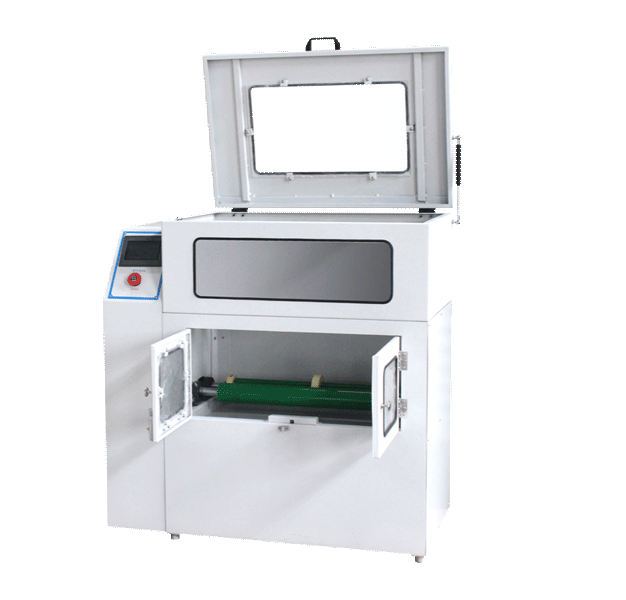
Safety: Most jar mills come with a safety guard or interlock. Never operate the machine without the guard in place. When handling heavy jars (e.g., 5 L or more), use two hands and consider using a lifting aid. After the milling run, allow the jar to cool if it has become warm from friction. For materials that are reactive or sensitive to air, consider using jars with vacuum or inert gas connections. However, the standard jar mill does not typically include a vacuum system; you would need to purchase specialized vacuum jars if required.
Routine maintenance includes checking the rollers for wear, lubricating bearings periodically, and cleaning any spilled powder from the machine surface. The rubber coating on the rollers may need replacement after extended use, especially if you frequently mill abrasive materials. If you notice unusual noise or vibration, stop the machine and inspect the rollers and jars for damage.
Comparing Two Working Station Jar Mill with Other Laboratory Mills
When choosing a lab mill, you might also consider a four-station jar mill or an eight-station jar mill if you need higher throughput. The two-station model is a good starting point for most labs because it balances capacity with footprint and cost. Compared to a planetary ball mill, the jar mill produces less impact energy, so it is less effective for very hard materials or for achieving sub-micron particle sizes in a short time. However, the jar mill is quieter, easier to operate, and less prone to overheating. For materials that require gentle handling, such as organic powders or pigments, the jar mill is often the preferred choice.
Another option is the light-duty roll ball mill, which is designed for smaller jars and lighter loads, suitable for very small batches or occasional use. The two working station jar mill, on the other hand, is typically built with a more robust motor and frame, capable of handling jars up to 5 L or 10 L each. It can also be used for continuous mixing if you install a jar with a discharge port, though most standard jar mills are batch-type.
Making the Right Choice for Your Laboratory
Before purchasing a two working station jar mill, evaluate your specific needs:
- What materials will you grind? Their hardness, abrasiveness, and contamination sensitivity determine the jar and media material.
- How much sample do you need per batch? Choose jar capacity accordingly. Remember that effective capacity is less than total volume.
- Do you need to run two different materials simultaneously? The two-station design allows independent processing, but if you need more than two jars per run, consider a higher-station model.
- What is your typical milling time? If you frequently run long milling cycles, a jar mill with a timer and speed control is essential.
- Is there any special requirement? For example, if you need to mill under inert atmosphere, ask about vacuum jars or gas purging options.
Once you have clarified these points, you can contact the manufacturer with the necessary information: material name, initial particle size, target particle size, batch quantity, preferred jar material, and any special atmosphere requirements. A reputable supplier like TENCAN (Changsha Tianchuang Powder Technology Co., Ltd.) can help you select the appropriate jar mill configuration and accessories. Remember, the goal is to find a machine that balances performance, durability, and ease of use for your specific application.
The two working station jar mill is a reliable workhorse in many labs. It may not be the most glamorous piece of equipment, but its simplicity and versatility make it invaluable for daily powder processing. Whether you are developing new battery materials, formulating ceramic glazes, or preparing samples for analysis, a well-chosen jar mill can significantly improve your workflow and result consistency.