

Product features
Twin-blade kneading
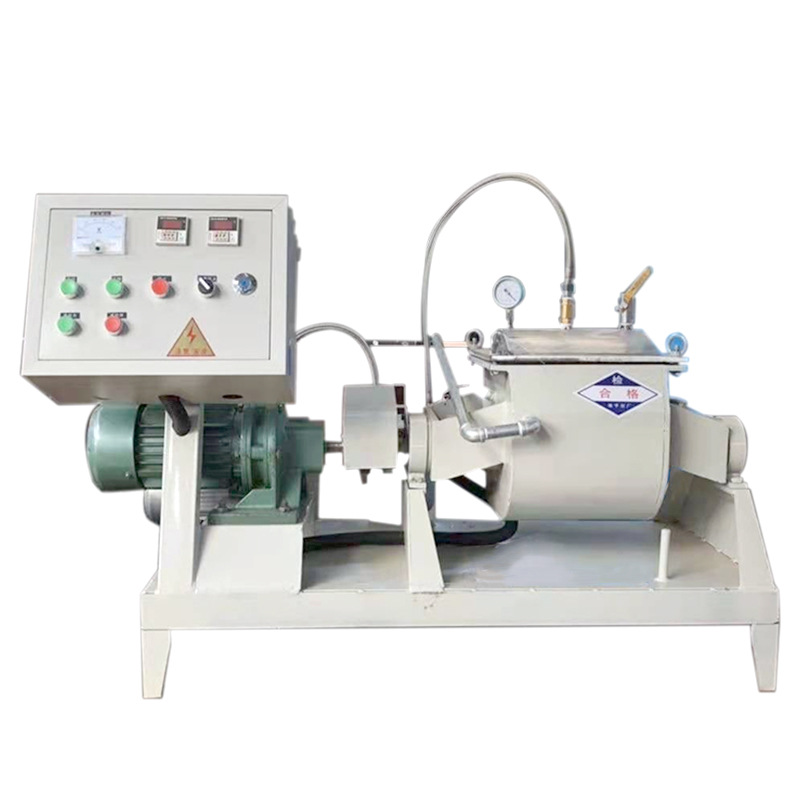
Parallel Z-shaped blades fold and shear viscous material within the divided mixing trough during batch processing.
Reduced-pressure processing
Evaluate air removal during kneading with achieved pressure measured on the actual loaded system and vacuum arrangement.
Thermal options
A jacket or specified heating arrangement can help manage temperature according to the formulation and process requirements.
Discharge choices
Choose tilting or bottom discharge and any transfer equipment around mixture viscosity and batch handling needs.
Applications
Silicone and sealant trials
Evaluate mixing and air removal for compatible sealant formulations before establishing a production procedure.
Filled polymer compounds
Study powder incorporation into viscous polymer mixtures, checking load, heating and composition throughout the batch.
Paste development
Prepare suitable battery slurries, pigments or other pastes with compatible contact materials and an appropriate outlet arrangement.
Evaluating results
Mixture uniformity
Sample multiple trough positions and discharge portions to determine whether ingredients have been incorporated consistently.
Air reduction
Compare bubble content or density before and after kneading using measured pressure, temperature and duration.
Discharge behaviour
Measure retained material and collection time to evaluate the selected outlet, tilting arrangement or transfer equipment.
These are evaluation points for a sample trial, not measured results for a specific sample. Confirm performance under your actual operating conditions.
How it works
Load the charge
Add the permitted working quantity of compatible materials while allowing the blades space to move the mixture.
Apply unequal blade speeds
The transmission drives the blades at different speeds, combining axial and radial compression with folding and shear.
Recover the batch
Restore pressure and stop as instructed, then collect the mixture through the configured discharge route.
Construction and configuration
Z-shaped blades
The parallel arrangement works within a divided trough and requires clearance and wear checks suited to the material.
Jacketed trough
Confirm the actual heating or cooling medium and contact material before connecting the required utility services.
Vacuum and outlet
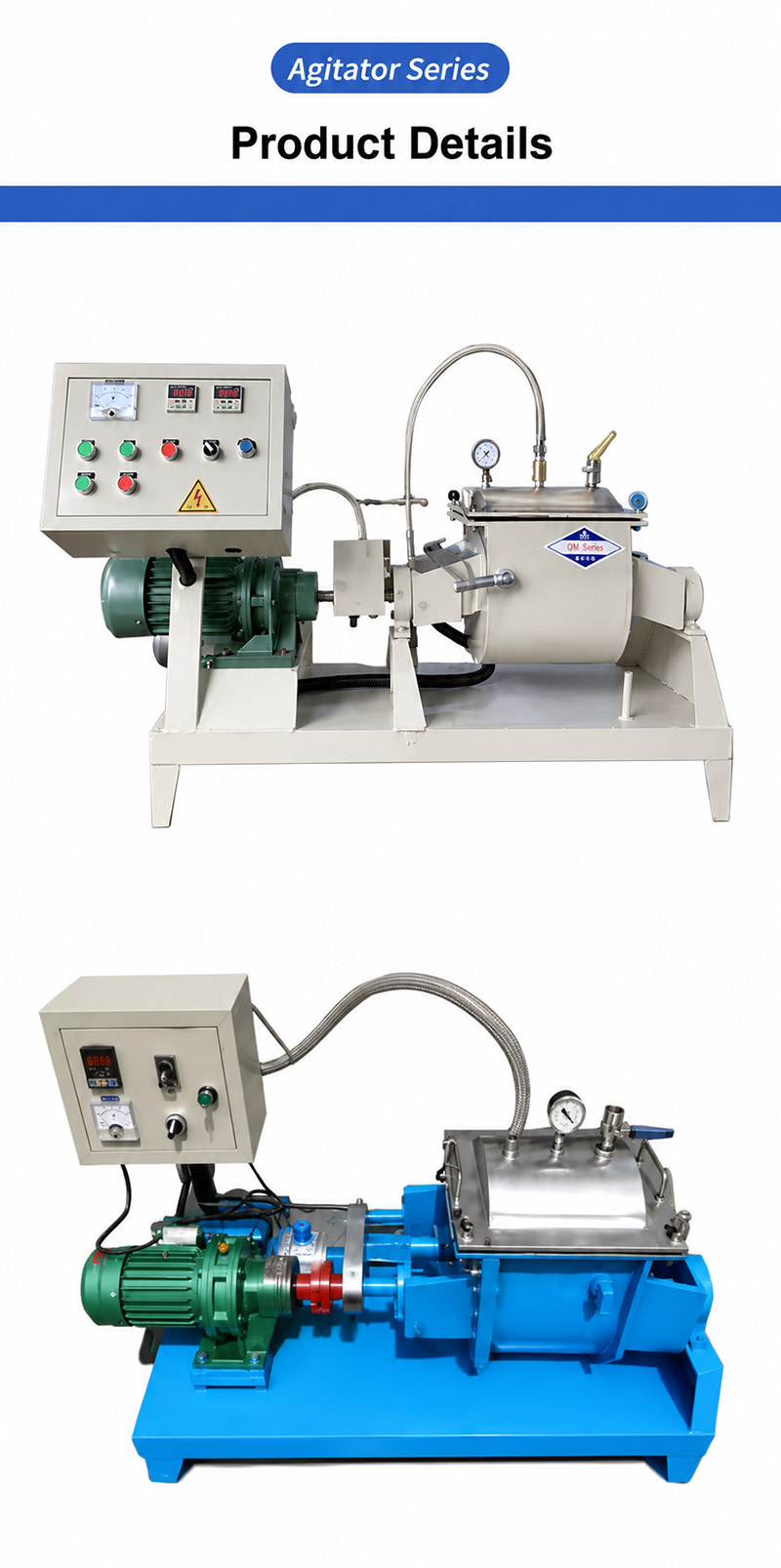
Specify seals, connections and discharge components around viscosity, compatible vapours and the intended transfer procedure.
More product images
Technical specifications
Compare the listed specifications and configurations. Scroll horizontally to view the complete table.
Specification table 1
| Nominal capacity | NHJ-5L | NHJ-10L | |
|---|---|---|---|
| Effective volume L | 5 | 10 | |
| Feeding quantity L | 3.5 | 7 | |
| Main motor power Kw | 1.1-1.5 | ||
| Screw motor power Kw | none | ||
| Discharging method | High temperature type | Manual cylinder turning | |
| Other types | Manual turning over the cylinder to discharge material | ||
| mix slurry | Speed r/min | 33/23 | |
| Way | High temperature type | none | |
| Other types | electricity, steam | ||
| Electric heating power Kw | high temperature | 6-10 | 8-10 |
| other | 1.8 | 1.8 | |
| Steam pressureMPA | 0.3 | ||
| Vacuum type straight degree MPA | -0.09 | ||
| Pressure type pressure MPA | 0.45 | ||
| Overall dimensions (MM) | long | 1100 | |
| Width | 1000 | ||
| high | 520 | ||
| Weightkg | 210~300 | 250~340 | |
Confirm the selected model, power supply, contact materials and operating conditions before ordering. Performance depends on the material and process.