
Vacuum Kneading Machine: Working Principle, Applications, and Selection Guide
What Is a Vacuum Kneading Machine?
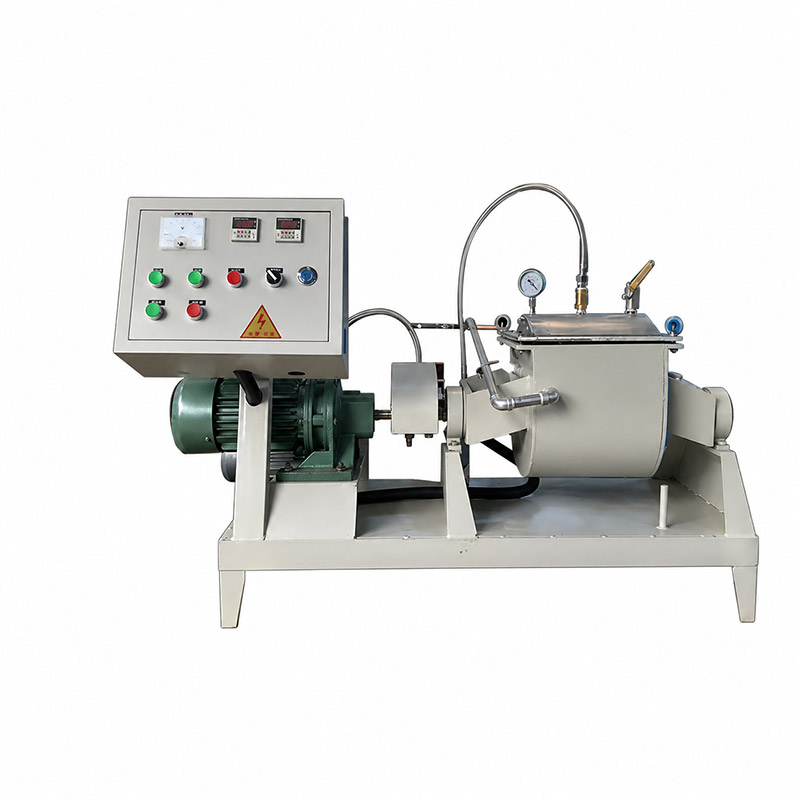
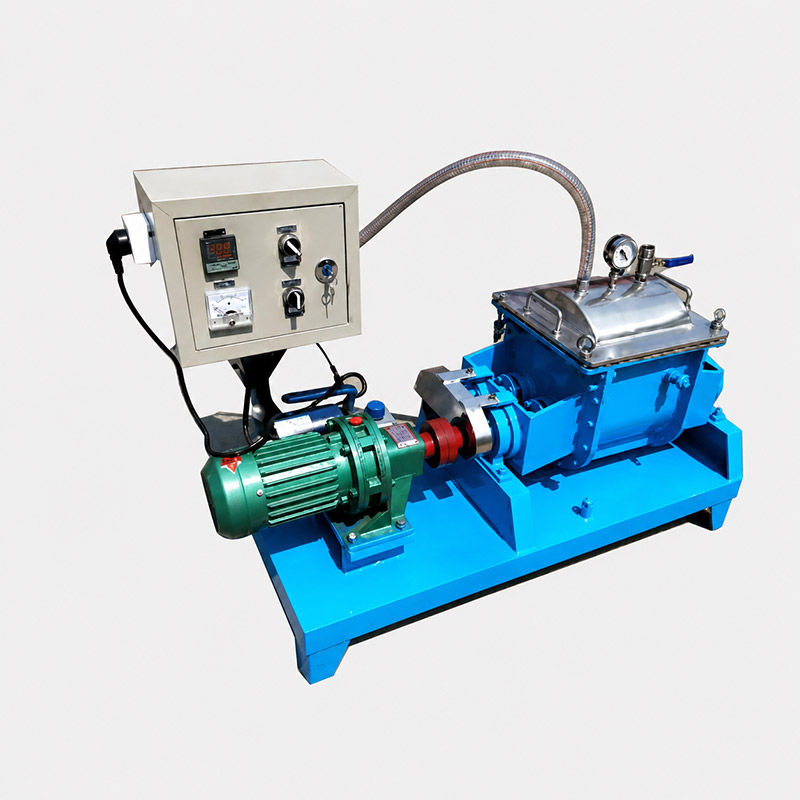
If you work with high-viscosity pastes, sticky compounds, or materials that require thorough mixing under controlled conditions, you have likely encountered the challenge of trapped air bubbles and inconsistent texture. A vacuum kneading machine, also known as a vacuum kneader or Z blade mixer, is designed specifically to address these issues. It combines the mechanical kneading action of two counter-rotating blades with a vacuum environment, allowing you to mix, knead, and de-gas materials in a single process.
These machines are widely used in the production of sealants, adhesives, silicone rubber, hot-melt adhesives, battery electrodes, ceramic pastes, and even food dough. By removing air during mixing, the final product achieves higher density, better uniformity, and improved mechanical properties.
How Does a Vacuum Kneader Work?
Blade Design and Motion
The core of the vacuum kneading machine consists of two specially shaped blades, typically Z-shaped or sigma-shaped, that rotate in opposite directions within a mixing trough. The blades are designed to create a combination of shearing, folding, and stretching actions on the material. This is especially effective for high-viscosity materials that ordinary stirrers cannot handle.
The blades are usually driven by two independent motors or a single motor with a gearbox, ensuring synchronized counter-rotation. The clearance between the blades and the trough walls is kept very small, often within a few millimeters, to prevent material buildup and ensure efficient mixing.
Vacuum System
The mixing chamber is sealed and connected to a vacuum pump. During operation, the vacuum pump removes air and volatile gases from the chamber. This is critical for:
- De-airing: Eliminates bubbles that would otherwise weaken the final product.
- Degassing: Removes moisture or solvents that may cause defects.
- Preventing oxidation: Protects sensitive materials from reacting with oxygen during mixing.
The vacuum level can typically be adjusted, and many models allow you to maintain a stable vacuum throughout the entire kneading cycle.
Heating and Cooling Options
Many vacuum kneaders are equipped with a jacket around the mixing trough for temperature control. You can circulate hot oil or water for heating, or cold water for cooling, depending on the material requirements. For example, hot-melt adhesives require heating to maintain a liquid state, while some chemical reactions generate heat that needs to be removed.
Key Applications of Vacuum Kneading Machines
Adhesives and Sealants
In the production of silicone sealants, polyurethane adhesives, and epoxy resins, a vacuum kneader ensures that the filler, resin, and curing agent are uniformly dispersed without air entrapment. The result is a smooth, bubble-free product with consistent bonding strength.
Hot-Melt Adhesives (HMA)
Hot-melt adhesives are solid at room temperature and must be melted before mixing. A vacuum kneader with heating capabilities is ideal for compounding EVA, polyolefin, or rubber-based hot melts. The vacuum removes moisture and volatile components, improving the adhesive's performance and shelf life.
Battery Electrode Slurries
Lithium-ion battery electrode materials often require high-shear mixing under vacuum to achieve uniform dispersion of active materials, conductive agents, and binders. A vacuum kneader can handle the high viscosity of NMP-based slurries while minimizing solvent evaporation losses.
Silicone Rubber and Rubber Compounds
Room-temperature vulcanizing (RTV) silicone rubber and other rubber compounds benefit from vacuum kneading because it prevents bubble formation during curing. The machine can also be used to incorporate fillers, pigments, and cross-linking agents evenly.
Ceramic and Powder Metallurgy Pastes
For ceramic pastes used in extrusion or injection molding, a vacuum kneader helps achieve a homogeneous mixture of ceramic powder, binder, and plasticizer. The vacuum reduces porosity, leading to better mechanical strength after sintering.
Food and Pharmaceutical Pastes
In food processing, vacuum kneaders are used for dough, chewing gum, and confectionery products where texture and air content are critical. In pharmaceuticals, they are employed for granulation and paste preparation under sterile or controlled conditions.
Factors to Consider When Selecting a Vacuum Kneading Machine
Choosing the right vacuum kneader depends on several technical and operational parameters. Here are the most important ones to evaluate:
1. Working Capacity
Vacuum kneaders are available in a wide range of capacities, from small laboratory units (e.g., 1–5 liters) to large production models (e.g., 500–3000 liters). The effective working volume is typically about 50–70% of the total trough volume, because some space is needed for the blades and material movement. Estimate your batch size and choose accordingly.
2. Blade Type and Material
Z-shaped blades (sigma blades) are the most common, but there are also spiral blades and paddle-type blades for specific applications. The blade material should be compatible with your product. Stainless steel (304 or 316) is standard for most chemical and food applications. For abrasive materials, hardened steel or special coatings may be required.
3. Vacuum Level and Pump
Check the ultimate vacuum level the machine can achieve. Most laboratory and industrial models can reach a vacuum of -0.095 to -0.098 MPa. The vacuum pump type (oil-sealed rotary vane or dry screw) and its pumping speed should match your process requirements. For processes that generate a lot of gas, a larger pump is needed.
4. Temperature Control
If your material requires heating or cooling, ensure the machine has a reliable jacket design. The heating medium can be steam, hot oil, or electric heaters. Cooling is usually done with water or chilled liquid. The temperature range should cover your process needs, typically from room temperature up to 200–300°C for oil heating.
5. Discharge Method
How the mixed material is discharged is an important ergonomic and efficiency factor. Common options include:
- Hydraulic tilting: The entire trough tilts forward to dump the material.
- Bottom discharge valve: A gate or ball valve opens at the bottom.
- Handwheel tilting: Manual tilting for smaller lab units.
- Extrusion screw: An integrated screw pushes the material out.
6. Control System
Modern vacuum kneaders can be equipped with PLC and touchscreen interfaces for precise control of speed, temperature, vacuum level, and mixing time. Data logging and recipe storage are valuable for reproducibility in research and quality control.
Typical Technical Parameters (Reference Range)
While exact specifications vary by manufacturer, here are common reference values for a laboratory or small-scale vacuum kneader:
| Parameter | Typical Range |
|---|---|
| Working volume | 1 L – 50 L (lab); 100 L – 3000 L (production) |
| Blade speed | 0 – 50 rpm (adjustable) |
| Vacuum degree | -0.095 to -0.098 MPa |
| Heating temperature | Up to 300°C (oil heating) |
| Material of wetted parts | SUS304, SUS316L, or special alloy |
| Motor power | 0.75 kW – 15 kW (depending on capacity) |
| Discharge method | Hydraulic tilting or bottom valve |
Note: These are general industry references. Actual parameters should be confirmed with the equipment supplier based on your specific material and process conditions.
How to Choose Between a Vacuum Kneader and Other Mixing Equipment
You may wonder why you should choose a vacuum kneader over a V-type mixer, double cone mixer, or high-speed disperser. The key difference lies in viscosity and mixing mechanism:
- V-type and double cone mixers are ideal for free-flowing dry powders. They cannot handle pastes or sticky materials.
- High-speed dispersers work well for low to medium viscosity slurries, but they cannot knead thick pastes.
- Vacuum kneaders are specifically designed for high-viscosity, dough-like materials that require both intensive mixing and de-aeration.
If your material is a thick paste (e.g., 100,000–1,000,000 cP), a vacuum kneader is likely the correct choice.
Safety and Maintenance Considerations
When operating a vacuum kneader, always follow these safety practices:
- Ensure the lid is properly sealed before starting the vacuum pump.
- Use the safety interlock to prevent the machine from operating when the lid is open.
- For materials that generate flammable vapors, use an explosion-proof vacuum pump and appropriate electrical classification.
- Regularly inspect blade seals and vacuum valve gaskets for wear.
- Clean the trough and blades immediately after use to prevent material hardening.
Proper maintenance extends the life of the machine and ensures consistent performance. Always refer to the manufacturer's manual for specific maintenance intervals and procedures.
Conclusion
A vacuum kneading machine is a powerful tool for producing high-quality pastes, adhesives, and compounds that require both intensive mixing and bubble-free final products. Whether you are developing a new formula in the lab or scaling up production, understanding the working principle, key features, and selection criteria will help you make an informed decision.
If you need assistance in choosing the right vacuum kneader for your specific application, feel free to contact the technical team at TENCAN. They can help you evaluate your material characteristics, batch size, and process requirements to recommend a suitable model and configuration.