
Small Laboratory Screening Machine: A Practical Guide for Powder Sieving and Particle Size Analysis
Why Your Laboratory Needs a Reliable Screening Machine
In powder processing laboratories, particle size separation is a fundamental step. Whether you are preparing samples for analysis, removing oversized particles, or classifying powders into different grades, a manual hand-sieving approach often leads to inconsistent results, operator fatigue, and low throughput. This is where a small laboratory screening machine becomes an essential tool. It automates the sieving process, ensuring repeatable and efficient separation for a wide range of materials. In this guide, we will walk through what this equipment is, how it works, its key advantages, and how to choose the right one for your application.
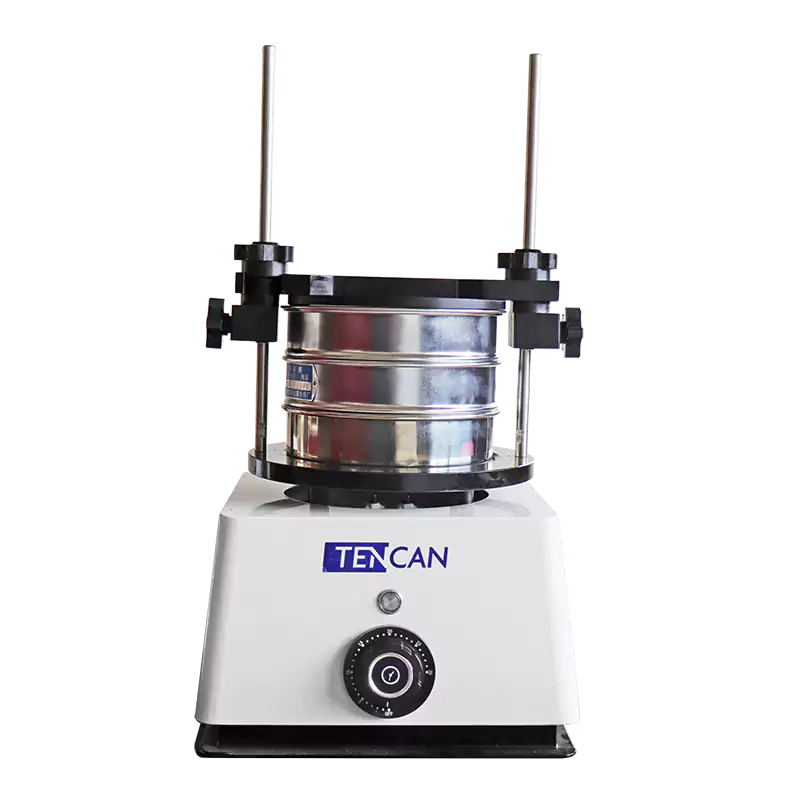
What Is a Small Laboratory Screening Machine?
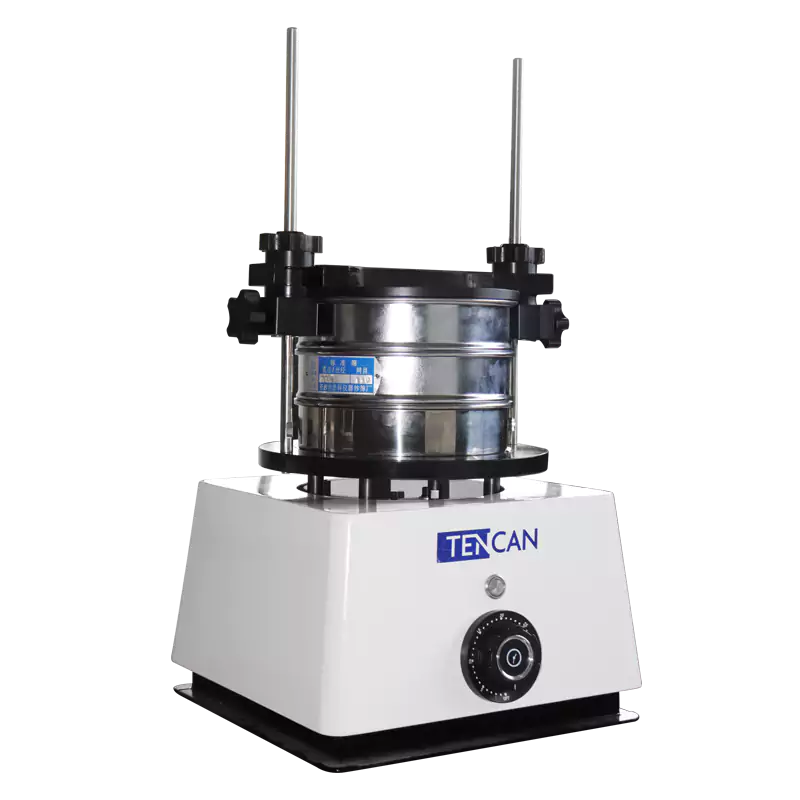
A small laboratory screening machine is a compact, bench-top device designed to separate granular materials by size using one or more vibrating sieves. It typically accommodates standard test sieves (e.g., 200 mm or 300 mm diameter) and can handle sample quantities from a few tens of grams up to several kilograms per batch. The machine generates controlled vibration or oscillation, causing the powder to move across the sieve surface. Particles smaller than the mesh openings pass through, while larger particles remain on top. This equipment is widely used in research institutes, quality control labs, and small-scale production for powder classification, impurity removal, and particle size distribution analysis.
How Does a Laboratory Screening Machine Work?
The core working principle of most laboratory screening machines relies on an electromagnetic or mechanical vibrator. An electric motor drives an eccentric weight or a set of unbalanced masses, producing a three-dimensional vibration (vertical, horizontal, and tangential). This motion forces the material to spread evenly over the sieve surface and move in a spiral or linear path, depending on the machine design. The intensity and frequency of vibration can be adjusted to suit different materials. Some models, such as the 3D rotary vibrating screen, offer a more complex motion that mimics manual sieving but with higher efficiency. For finer powders, an ultrasonic system can be added to prevent mesh blinding. The entire process is usually enclosed to contain dust and reduce noise.
Key Features and Benefits
Compact and Space-Saving
Unlike industrial-scale vibrating screens, the small laboratory version occupies minimal bench space, making it ideal for crowded labs. Its lightweight design also allows easy relocation.
Adjustable Parameters
Researchers can typically adjust vibration amplitude, frequency, and sieving time to optimize separation for different materials. This flexibility is critical when dealing with diverse powders like ceramics, metals, or pharmaceuticals.
Multi-Layer Separation
Many laboratory screening machines can hold 2 to 3 sieves simultaneously, enabling the separation of a sample into several size fractions in one run. This saves time and reduces manual handling.
Quick Screen Change
Changing sieve meshes is usually a simple operation, often requiring no tools. This allows fast switching between different particle size requirements during a single workflow.
Dust-Free Operation
Most machines come with a transparent cover or a sealed lid that prevents dust escape, protecting the operator and the environment. This is especially important when handling toxic or fine powders.
Low Noise and Maintenance
Compared to larger vibrating equipment, laboratory screening machines operate at lower noise levels. With few moving parts, routine maintenance is straightforward.
Common Applications in the Laboratory
The small laboratory screening machine is used across many industries. Here are some typical scenarios:
- Battery Materials: Screening cathode and anode powders (e.g., LFP, NMC, graphite) to achieve uniform particle size before electrode slurry preparation.
- Ceramics: Classifying alumina, zirconia, and other ceramic powders to remove agglomerates and ensure consistent sintering behavior.
- Metallurgy: Analyzing metal powder particle size distribution for powder metallurgy or additive manufacturing feedstocks.
- Pharmaceuticals: Sieving active pharmaceutical ingredients (APIs) and excipients to meet GMP standards.
- Food and Chemicals: Checking the fineness of spices, flour, pigments, or detergent powders.
- Environmental Testing: Preparing soil, sediment, or construction waste samples for further analysis.
For applications requiring higher throughput or more complex motion, you may also consider the stainless steel vibrating screen machine, which offers similar capabilities in a more robust construction.
How to Select the Right Laboratory Screening Machine
Choosing the most suitable equipment depends on several factors. Here is a practical checklist:
Sample Volume and Particle Size
Consider the typical sample weight you will process. Most laboratory screening machines handle 50 g to 5 kg per batch. If you work with very fine powders (below 50 μm), look for a model that supports ultrasonic deblinding or a high-frequency vibration mode. The mesh size range should cover your target cut points.
Number of Sieves
Decide how many fractions you need simultaneously. A single-sieve machine is sufficient for simple pass/fail tests, but multi-layer models are more efficient for full particle size distribution analysis.
Material of Construction
For corrosive or abrasive materials, a stainless steel contact surface is recommended. If you handle hazardous substances, a fully enclosed design with a dust collection port is essential.
Power and Control
Check the voltage and frequency compatible with your lab (typically 110 V/60 Hz or 220 V/50 Hz). Digital timers and programmable vibration patterns add convenience and repeatability.
Budget and Support
While price is a consideration, also evaluate the availability of spare parts, sieve meshes, and after-sales technical support. A reliable supplier like TENCAN can provide guidance on customization and maintenance.
Before requesting a quotation, it is helpful to prepare the following information: material name and composition, initial particle size, target particle size, sample quantity per batch, whether dry or wet sieving is required, acceptable contamination level, and any special environmental requirements (e.g., inert gas).
Final Thoughts
Investing in a well-designed small laboratory screening machine can significantly improve the accuracy and efficiency of your powder screening tasks. By understanding the working principle, key features, and selection criteria, you can make an informed decision that matches your specific lab needs. Whether you are conducting routine quality control or advanced material research, the right sieving equipment will deliver consistent results and save valuable time.