
PU Roll Mill Jar: Polyurethane Grinding Container for Roller Ball Mills
When you work with materials that are sensitive to metal contamination or require a quieter, more durable grinding environment, the choice of jar material becomes critical. Standard stainless steel or ceramic jars, while excellent for many applications, may introduce wear particles or cause excessive noise during rolling. For laboratories and small-scale production lines handling abrasive powders, battery materials, or pharmaceutical compounds, a polyurethane (PU) roll mill jar offers a practical and reliable alternative. In this article, we will take a close look at what a PU roll mill jar is, why it works well for roller ball mills, and how to select and use it effectively.
What Is a PU Roll Mill Jar?
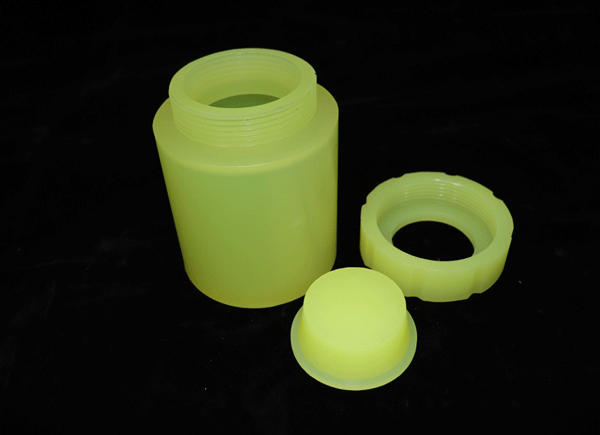
A PU roll mill jar is a cylindrical grinding container made from polyurethane, a tough and flexible polymer known for its excellent abrasion resistance and damping properties. Unlike traditional roll mill jars made from stainless steel, alumina ceramic, or nylon, PU jars provide a resilient interior surface that can withstand repeated impacts from grinding media without chipping or cracking. The natural elasticity of polyurethane also helps reduce noise levels during operation, making it a preferred choice in labs where multiple mills run simultaneously.
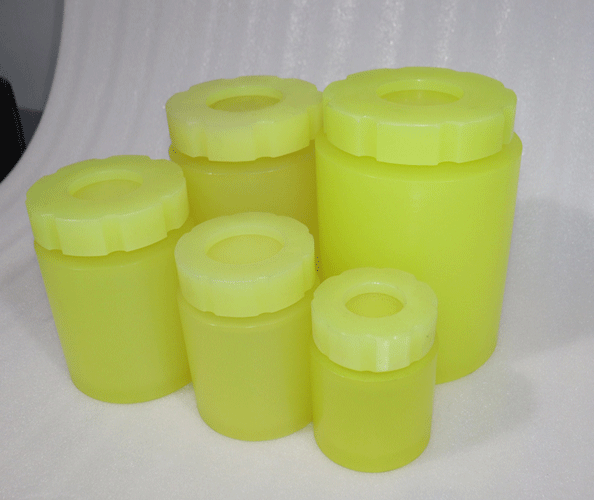
These jars are designed specifically for roller ball mills, where the jar rotates on two parallel rollers. The rolling motion lifts the grinding media and material inside, creating a tumbling action. Polyurethane jars can be manufactured in various capacities, commonly ranging from 0.5 L to 20 L or more, with a cylindrical shape and a tight-sealing lid to prevent leakage.
Key Advantages of PU Roll Mill Jars
>Low Contamination Risk
One of the main reasons researchers choose PU roll mill jars is the minimal metal contamination they introduce. Unlike stainless steel jars, which can shed iron or chromium particles during prolonged grinding, PU is a non-metallic polymer. This characteristic is particularly valuable when processing materials such as lithium-ion battery cathode and anode powders, high-purity ceramics, or sensitive pharmaceutical ingredients. Even with tough grinding media like zirconia or alumina balls, the PU inner wall tends to wear slowly, and any wear debris remains as soft polymer particles that can usually be removed by subsequent washing or sieving.
>Excellent Abrasion Resistance
Polyurethane has a higher abrasion resistance than many other polymers, including nylon and polyethylene. In laboratory roller ball mills, jars often rotate for hours or even days. The continuous sliding and impact of grinding balls can rapidly degrade a weak liner material. A well-formulated PU jar can withstand thousands of hours of use before showing significant wear, making it a long-lasting investment for labs with high throughput.
>Quiet and Dampened Operation
Roller ball mills can be surprisingly loud when heavy steel jars are used. The elastic nature of polyurethane absorbs vibration and reduces the noise generated by ball-to-jar impacts. In a shared laboratory environment, quieter equipment is always appreciated. Operators working near the mill for extended periods also benefit from lower noise exposure.
>Lightweight and Easy to Handle
PU jars are significantly lighter than stainless steel or thick-walled ceramic jars. This makes them easier to lift, clean, and replace. For labs that frequently switch between different materials or clean jars between batches, the reduced weight saves time and physical effort.
Typical Applications for PU Roll Mill Jars
The unique combination of low contamination, wear resistance, and quiet operation makes PU roll mill jars suitable for a variety of materials and processes:
- Battery materials: Grinding or mixing cathode materials such as NMC, LFP, and LCO, as well as anode graphite and silicon, without introducing metallic impurities.
- Ceramic powders: Processing alumina, zirconia, silicon carbide, or ferrite powders where purity is important.
- Pharmaceutical compounds: Milling active pharmaceutical ingredients (APIs) or excipients that cannot tolerate metal contamination.
- Mineral and ore samples: Grinding geological samples where iron contamination would interfere with subsequent analytical tests.
- Pigments and inks: Dispersing pigments in liquid media for color uniformity.
- Mechanical alloying: In some cases, PU jars can be used for low-energy mechanical alloying of soft metals, though care must be taken to avoid excessive heat buildup.
How to Select a PU Roll Mill Jar
>Capacity and Size
Roll mill jars are typically cylindrical. The working capacity is usually around 30% to 50% of the total jar volume, with the remaining volume occupied by grinding media and free space for tumbling. Before purchasing, consider the batch size you need. For routine sample preparation, a 1 L or 2 L jar may suffice; for larger pilot runs, 5 L, 10 L, or 20 L containers are common choices.
>Lid and Sealing
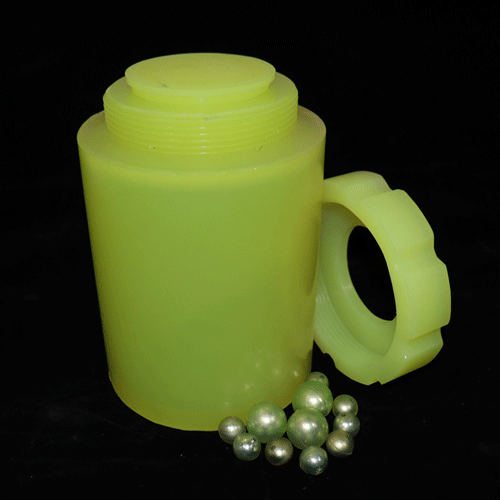
A well-sealed lid prevents dust from escaping and keeps moisture or air out during dry grinding. Many PU roll mill jars come with a threaded lid and an O-ring gasket. For wet grinding, ensure the lid can withstand the pressure generated by liquid movement. Some models offer additional clamping mechanisms for extra security.
>Compatibility with Roller Mill Dimensions
Roller ball mills have specific roller spacing and diameter limits. Before ordering a PU jar, verify that the jar’s outer diameter and width fit between the rollers of your mill. Most standard jars are designed to work with common lab roller mills, but custom sizes may be required for non-standard equipment.
>Grinding Media Choice
While PU jars are wear-resistant, the grinding balls also need to be selected carefully. For most dry grinding applications, ceramic balls (alumina, zirconia) or polymer balls (nylon, PU) work well. Steel balls can be used, but they are heavier and may increase jar wear over time. The recommended ball-to-powder ratio typically falls between 5:1 and 20:1 by weight, but this should be optimized experimentally based on your material properties and target particle size.
Practical Tips for Using a PU Roll Mill Jar
To extend the service life and maintain consistent grinding performance, consider the following:
- Avoid sharp or heavy objects: Do not use metal scrapers to clean the interior; use soft brushes or cloths.
- Monitor temperature: Continuous grinding can raise the jar temperature. If the material is heat-sensitive, use intermittent grinding cycles (e.g., 15 minutes on, 10 minutes off) to allow cooling.
- Clean immediately after use: Residual powder can stick to the PU surface if left for long periods. A quick rinse with water (for wet grinding) or compressed air (for dry grinding) helps maintain cleanliness.
- Check the seal regularly: The O-ring gasket can wear over time. Replace it if leakage occurs.
- Store away from direct sunlight: Prolonged UV exposure can degrade polyurethane, so keep jars in a dark cabinet when not in use.
Comparing PU with Other Jar Materials
When selecting a roll mill jar, it helps to understand how PU compares with other common materials:
| Property | PU | Stainless Steel | Alumina Ceramic | Nylon |
|---|---|---|---|---|
| Metal contamination | Very low | Moderate | Low (ceramic dust) | Very low |
| Abrasion resistance | High | Very high | Very high | Moderate |
| Impact resistance | High | Very high | Brittle (can crack) | Moderate |
| Noise damping | Excellent | Poor (loud) | Good | Good |
| Weight | Light | Heavy | Heavy | Light |
| Chemical resistance | Good (limited by solvents) | Excellent | Excellent (except HF) | Limited |
| Cost | Low–Medium | Medium–High | High | Low |
From the table, you can see that PU offers a balanced profile when low contamination, quiet operation, and light weight are priorities. It may not be suitable for extremely high-temperature applications or aggressive chemical environments where stainless steel or ceramic would be better.
Final Considerations
Whether you are grinding ceramic precursors, battery materials, or pharmaceutical powders, a PU roll mill jar can be a practical, cost-effective solution for your roller ball mill. Its resilience, low contamination profile, and noise reduction properties make it stand out among polymer jar options. When used with appropriate grinding media and proper maintenance, it delivers consistent results over many cycles.
If you are not sure which jar material best fits your application, consider the factors discussed here: the chemical compatibility of your powder, the level of purity required, the running time per batch, and your budget. In many cases, starting with a PU jar is a safe and economical first step, especially if you work with moderately abrasive materials and want to avoid metallic wear.
For those exploring other options, TENCAN also offers nylon roll mill jars, stainless steel roll mill jars, ceramic roll mill jars, PTFE roll mill jars, and corundum roll mill jars to suit a wide range of laboratory and production needs.