
Non Invasive Material Homogenizer: Gentle and Efficient Sample Preparation for Microbiology and Biotechnology
Why Choose a Non Invasive Material Homogenizer?
In many laboratories, especially those focused on microbiology, food safety, and biotechnology, sample preparation is a critical first step. Traditional homogenization methods often involve blades, rotors, or high-pressure systems that can shear cells, generate heat, or introduce cross-contamination. For applications where the integrity of the sample and the viability of microorganisms must be preserved, a non invasive material homogenizer offers a distinct advantage. This equipment is designed to blend, mix, and homogenize samples without direct contact between the sample and the machine, using a sterile disposable bag to isolate the material. It is widely used for preparing food samples for microbial analysis, processing animal tissues, and homogenizing pharmaceutical products.
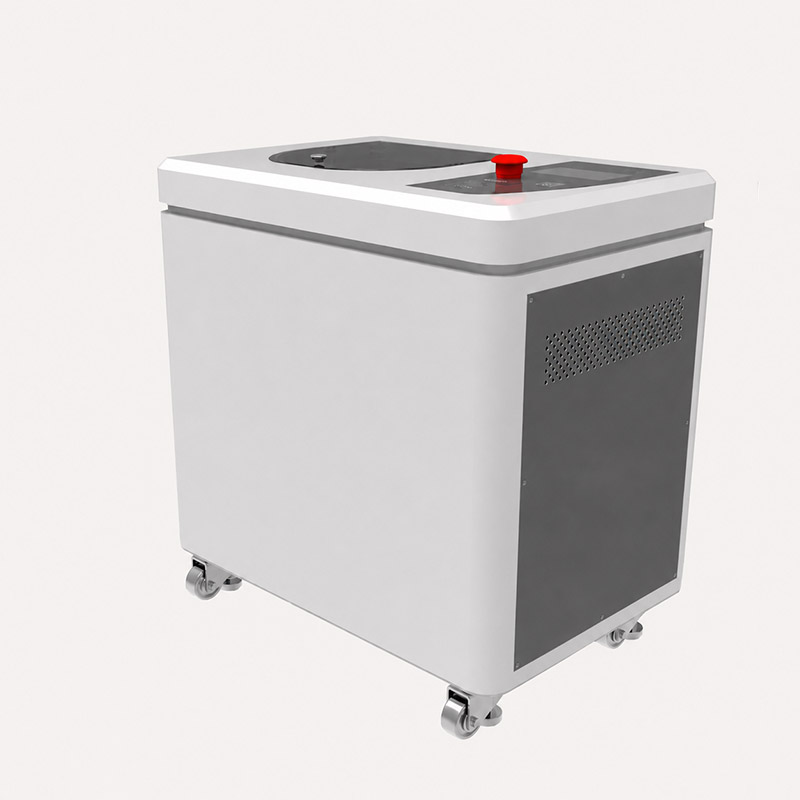
How Does a Non-Contact Homogenizer Work?
The working principle of a laboratory homogenizer of this type is based on the action of two paddles that repeatedly press against a sealed bag containing the sample and diluent. The bag is placed inside a stainless steel chamber, and the paddles move in a synchronized, gentle manner to compress and release the bag. This action creates a controlled flow of liquid through the sample, effectively releasing microorganisms from solid particles without damaging them. The process is often called "paddling" or "stomaching." Unlike high-shear homogenizers, the non-invasive approach does not generate excessive heat, which helps maintain the viability of bacteria and other microorganisms. Many models allow you to adjust the paddle speed and the processing time, giving you control over the intensity of the homogenization.
Key Parameters You Can Control
Typical non-contact homogenizers offer a range of adjustable settings to suit different sample types. The paddle speed is commonly adjustable from about 3 to 12 strokes per second, and the processing time can be set from a few seconds up to 99 minutes. Some advanced units also include a temperature control function to keep the sample within a desired range, and a built-in UV disinfection lamp to sanitize the chamber between runs. The usable volume usually ranges from 3 to 400 mL, depending on the model, and the size of the disposable bag is standardized to fit the chamber.
Applications of a Non Invasive Material Homogenizer
This equipment is particularly valuable in the following fields:
- Food Microbiology: Preparing samples of meat, poultry, vegetables, and dairy products for detection of pathogens such as Salmonella, Listeria, and E. coli.
- Pharmaceutical and Cosmetic Testing: Homogenizing creams, ointments, and powders to check for microbial contamination.
- Clinical and Veterinary Diagnostics: Processing tissue biopsies, fecal samples, and swabs for downstream analysis.
- Research Laboratories: Gentle homogenization of plant tissues, insect samples, and cell cultures where maintaining cell integrity is important.
How to Select the Right Non Invasive Homogenizer for Your Lab
When choosing a non invasive material homogenizer, consider the following factors:
Sample Volume and Bag Size
Most models accept standard sterile bags of 17 cm × 30 cm, which can handle volumes of 3–400 mL. If you work with larger volumes, look for a model with a larger chamber or higher capacity.
Speed and Time Control
For delicate samples, a lower speed and shorter time are preferable. If your samples are more robust, you may need higher speed and longer processing. A programmable unit with multiple stored programs can save time when you routinely process different types of samples.
Temperature Management
If you are processing heat-sensitive samples, consider a model with a built-in heater or cooler to maintain the sample temperature. Some units can be set to a specific temperature (e.g., 30–60°C) to improve the release of microorganisms.
Ease of Cleaning and Disinfection
Look for a chamber made of high-quality stainless steel with a transparent window for easy viewing. A UV disinfection lamp inside the chamber helps reduce the risk of cross-contamination between runs.
Additional Features
Some advanced models offer a programmable multi-step protocol, a real-time display of paddle speed and count, and an adjustable paddle gap to accommodate different bag thicknesses. These features can improve reproducibility and convenience.
For a complete range of mixing and blending solutions, you may also explore other V-type mixers, double cone mixers, or multi-dimensional mixers that are designed for different powder and liquid blending applications.
Practical Tips for Using a Non Invasive Homogenizer
To get the best results from your non-invasive homogenizer, follow these guidelines:
- Always use high-quality sterile bags that are compatible with your equipment to avoid leaks.
- Do not overfill the bag; leave enough headspace for the diluent to move freely.
- Pre-wet the bag interior if necessary to prevent sample sticking.
- Run a blank cycle with a sterile bag to verify the chamber is clean.
- Regularly inspect the paddles and door seals for wear.
- Follow the manufacturer's recommended speed and time settings for your specific sample type. If you are unsure, start with a medium speed and short time, then increase as needed.
Common Questions About Non Invasive Material Homogenizers
Can I use this homogenizer for fibrous materials?
Yes, but very fibrous materials like plant stems may require longer processing time or pre-cutting. The gentle paddling action works best on soft to semi-soft samples.
Is it suitable for RNA/DNA extraction?
Because the process is gentle and does not generate significant heat, it is often used for preparing samples for nucleic acid extraction, especially when maintaining cell integrity is not critical. However, for strict RNA work, you may need to consider the risk of RNase contamination from the bag.
How do I clean the machine?
Most models have a removable tray or easy-access chamber. Wipe the interior with a mild disinfectant, and use the UV lamp to sanitize. Avoid using abrasive cleaners that could damage the stainless steel surface.
If you need more detailed technical advice or assistance in selecting the right non invasive material homogenizer for your application, please contact our team. Provide information about your sample type, typical volume, and any special requirements such as temperature control or programmable operation.