
What is a Circulation Oven? A Forced Convection Drying Device for Uniform Drying and Heat Treatment
What is a Circulation Oven? A Forced Convection Drying Device for Uniform Drying and Heat Treatment
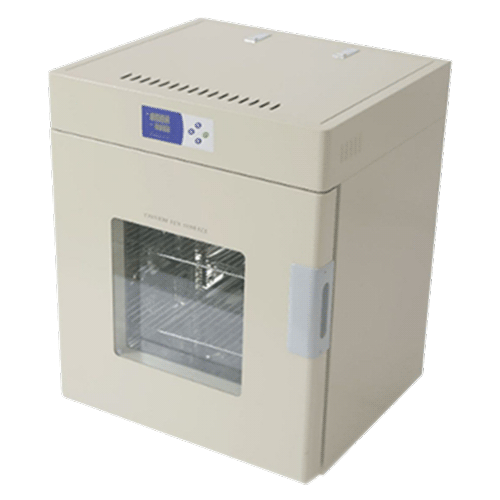
At its core, a circulation oven (also known as a hot air circulation oven or forced convection drying oven) is a specialized thermal processing device that industries such as laboratories, food processing, pharmaceuticals, chemicals, and materials science use to achieve uniform drying, curing, aging, or heat treatment of samples and products. It employs a fan-driven air circulation system to distribute heated air evenly throughout the chamber, eliminating hot spots and ensuring consistent results batch after batch.
Core Function and Working Principle
The fundamental function of a circulation oven is to transform materials from a wet or uncured state to a dry or thermally treated state through controlled heating. The core working principle relies on forced convection: a high-performance motor drives a centrifugal fan that draws air from the chamber, passes it over heating elements (electric, steam, gas, etc.), and then recirculates the heated air back into the chamber through specially designed ducts. This continuous air movement ensures temperature uniformity across all shelves, typically within ±1°C under stabilizing conditions.
Key process parameters include temperature setpoint (ranging from room temperature up to 1100°C for high-temperature models), air velocity, and heating time. The uniformity of temperature directly affects the quality of the final product. For example, in food drying, uneven heat can cause case hardening or moisture gradients; in lab sample preparation, inconsistent temperatures may lead to unreliable test results. Advanced circulation ovens employ PID controllers and multiple temperature sensors to maintain precise control.
Main Types and Classifications
Circulation ovens can be categorized by several criteria. Based on heat source, common types include electric heating (most popular for lab use due to cleanliness and precision), steam heating (for large-scale industrial applications), gas heating (natural gas or LPG for high-capacity needs), and thermal oil heating (for high-temperature processes requiring stable heat transfer).
According to structure and capacity, there are single-door single-trolley models (suitable for small batches), double-door double-trolley, double-door four-trolley, triple-door six-trolley, and four-door eight-trolley configurations, allowing scalability from laboratory R&D to production-scale drying. For high-temperature applications, specially designed high-temperature circulation ovens can reach 1100°C, enabling calcination, pyrolysis, and sintering processes in a controlled atmosphere.
Key Performance Indicators and Selection Guide
When selecting a circulation oven, users should consider the following critical parameters:
- Temperature Uniformity & Accuracy: Look for specifications like ±1°C at target temperature. High uniformity ensures consistent results across all samples.
- Processing Capacity: Determined by chamber volume (e.g., 100L, 500L) and number of shelves/trays. Match to your batch size.
- Heating Power & Energy Efficiency: Higher power means faster ramp-up, but energy consumption matters for long-term costs. Modern ovens with heat recovery systems can save 30%+ energy.
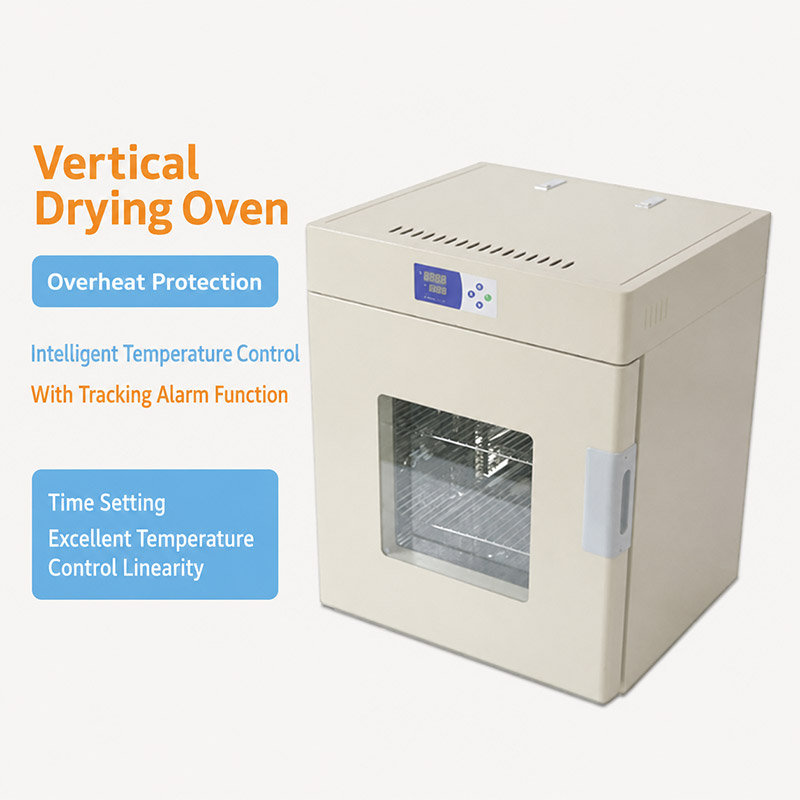
- Control System: Basic models use analog thermostats; advanced ones feature PID controllers, programmable timers, and data logging for traceability.
- Construction Material: Stainless steel (304 or 316) interior is standard for food/pharma applications to ensure corrosion resistance and easy cleaning.
- Safety Features: Over-temperature protection, door interlocks, and explosion-proof options for volatile materials.
Maintenance is also a key factor: easily replaceable heating elements, accessible fan motors, and simple filter cleaning reduce downtime.
Application Areas and Selection Recommendations
Circulation ovens are widely used in laboratories for sample drying, glassware drying, and aging tests; food processing for drying fruits, vegetables, meat, and snacks; pharmaceutical for drying granules, powders, and active ingredients; chemical industry for curing coatings, drying catalysts, and heat treatment of materials; and electronics for baking components and PCBs.
For small-scale lab use, a desktop air blower dryer or a compact vertical circulation oven (e.g., 50L-100L) with digital control is recommended. For medium-scale production, consider a precision air blower dryer with higher capacity and better uniformity. For extreme temperature requirements (above 300°C), a high-temperature circulation oven with appropriate insulation and heating elements should be chosen. Always verify the oven's temperature range matches your process needs, and consider optional features like programmable profiles or remote monitoring for advanced applications.