
PU Planetary Mill Jar: A Durable and Contamination-Free Grinding Solution for Laboratory Applications
When you are setting up a planetary ball mill for laboratory powder processing, choosing the right grinding jar is just as important as selecting the mill itself. The jar is where all the grinding action takes place, and its material directly affects sample purity, wear life, and overall process efficiency. Among the wide range of jar materials available — from stainless steel and agate to zirconia and nylon — the PU planetary mill jar (polyurethane jar) stands out as a versatile option for many medium-hard and brittle materials. It offers a unique combination of toughness, elasticity, and chemical resistance that metal or ceramic jars cannot fully match. In this article, we will explain what a PU planetary mill jar is, its key advantages, typical applications, and how to select the right one for your work.
What Is a PU Planetary Mill Jar?
A PU planetary mill jar is a grinding container made from high-quality polyurethane, a polymer material known for its excellent abrasion resistance, elasticity, and low friction coefficient. Unlike metal jars, PU jars do not introduce metallic contaminants into the sample, making them ideal for applications where trace metal impurities must be avoided. Compared to ceramic jars, PU is more impact-resistant and less likely to fracture when processing hard particles or when the mill operates at high energy. The inner surface of a PU jar is smooth and non-stick, which helps reduce powder adhesion and makes cleaning easier. PU jars are typically used in laboratory planetary ball mills for dry or wet grinding of materials with a Mohs hardness up to about 5–6, such as minerals, ceramics, pigments, and some pharmaceutical ingredients.
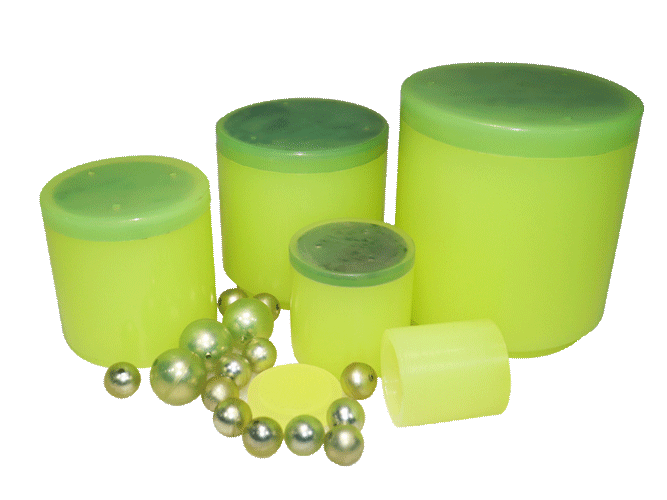
Key Advantages of Polyurethane Grinding Jars
Non-Metallic Purity
One of the main reasons researchers choose a PU planetary mill jar is to maintain sample purity. Polyurethane contains no heavy metals such as iron, chromium, or nickel. If your work involves XRF analysis, trace element detection, or material synthesis where metal contamination would compromise results, a PU jar is a safe choice. Even for long grinding cycles, the wear particles from the jar are polyurethane, which does not interfere with many characterization methods.
High Wear Resistance and Durability
Polyurethane is one of the most wear-resistant polymer materials available. In laboratory ball milling, the constant impact and friction between grinding balls, material, and jar walls will eventually wear down any container. A well-manufactured PU jar can withstand thousands of hours of operation without significant loss of material or dimensional change. This durability translates to longer service life and more consistent grinding performance over time.
Excellent Impact Strength and Elasticity
Unlike brittle ceramic jars that can crack under high impact, PU has a degree of elasticity that absorbs shocks. This property is particularly beneficial when grinding harder particles or when using large diameter grinding balls (e.g., 15–20 mm) for coarse feed. The elasticity also helps reduce noise and vibration, contributing to a quieter laboratory environment.
Good Chemical Resistance
Polyurethane is resistant to many oils, greases, diluted acids, and alkalis, making it suitable for wet grinding with common organic solvents or aqueous solutions. However, strong oxidizing acids, concentrated bases, and some polar solvents (e.g., acetone, ketones) may attack the polymer. Always check chemical compatibility with your specific solvent before use.
Common Applications of PU Planetary Mill Jars
The unique balance of properties makes PU jars a popular choice across several fields:
- Ceramic powder preparation: Grinding clays, feldspar, quartz, and alumina precursors without introducing metal ions that could discolor or alter sintering behavior.
- Pigment and dye dispersion: Reducing particle size of organic and inorganic pigments while maintaining color purity.
- Mineral processing research: Milling ores, coal, coke, and other geological samples where iron contamination from steel jars would skew analysis.
- Battery material synthesis: Mixing and grinding precursor powders for cathode or anode materials where trace metals are detrimental to electrochemical performance.
- Pharmaceutical and food ingredient milling: Safe for polymers and organic compounds that require non-reactive containers.
How to Select the Right PU Grinding Jar
Choosing a PU planetary mill jar involves several considerations:
Capacity
PU jars are commonly available in volumes from 50 mL to 1000 mL per jar. For typical laboratory planetary mills with four stations, you can process four jars simultaneously. The actual usable capacity is approximately 50–60% of the nominal volume when balls and material are loaded. Estimate your required batch size and select a jar volume that allows for the ball-to-powder ratio (commonly 5:1 to 20:1 by weight) without exceeding the jar capacity.
Matching with Grinding Balls
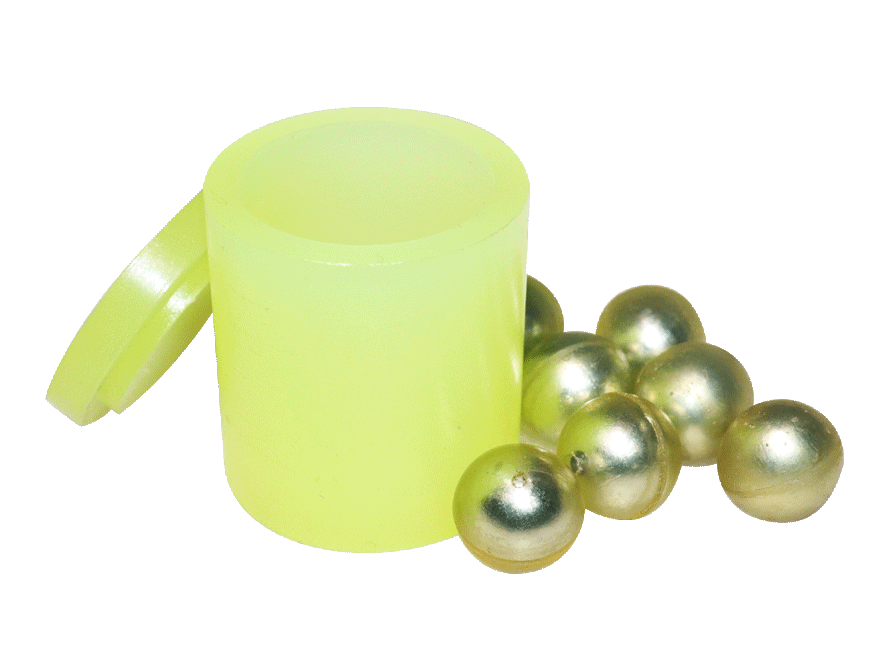
PU jars work well with a variety of grinding media, including agate, zirconia, alumina, and even stainless steel balls. Because PU is softer than ceramic and metal media, the jar itself will not significantly contaminate the balls. However, use balls that are compatible with the sample chemistry. For example, if you need metal-free grinding, pair PU jars with zirconia or agate balls.
Compatibility with Your Planetary Mill
Not all planetary mill models accept PU jars. Check the dimensions of the jar (diameter and height) and the clamping mechanism. Most laboratory planetary mills from major manufacturers have standard jar sizes, but it is always wise to confirm. Many PU jars are designed with a threaded lid or a lock clamp system to ensure a tight seal during operation.
Temperature Considerations
Polyurethane has a lower maximum operating temperature compared to ceramics or metals. Continuous grinding at high speeds (above 500 rpm) can generate heat inside the jar, potentially softening or degrading the PU. For heat-sensitive samples or high-energy milling, consider using intermittent operation — for example, 15 minutes of grinding followed by a 5–10 minute pause — to allow the jar to cool. Alternatively, use a jar material with higher thermal tolerance, such as stainless steel or zirconia.
Tips for Using and Maintaining PU Planetary Mill Jars
- Cleaning: After grinding, rinse the jar and lid with water or a suitable solvent. Most PU jars can be cleaned with mild detergents. Avoid abrasive scrubbing that could damage the surface. For stubborn residues, use an ultrasonic bath with compatible cleaning solution.
- Inspection: Periodically check the inner surface for deep scratches, pitting, or deformation. If the jar shows significant wear, replace it to maintain consistent grinding results.
- Sealing: Ensure the lid gasket (often made of rubber or silicone) is intact and properly seated. A good seal prevents sample leakage and keeps out contaminants during wet grinding.
- Storage: Store PU jars in a cool, dry place away from direct sunlight, as UV radiation can degrade polyurethane over time.
Polyurethane grinding jars provide a compelling combination of wear resistance, non-metallic purity, and impact toughness that makes them a reliable choice for many laboratory milling tasks. Whether you are developing new ceramic formulations, processing battery materials, or preparing mineral samples for analysis, a PU planetary mill jar can help you achieve the particle size reduction you need without introducing unwanted contamination. To explore available sizes and configurations, you can visit the PU planetary mill jar product page. If you are unsure which jar material suits your specific application, feel free to contact our technical team with details about your material, target particle size, and batch volume; we can help you make a well-informed selection.