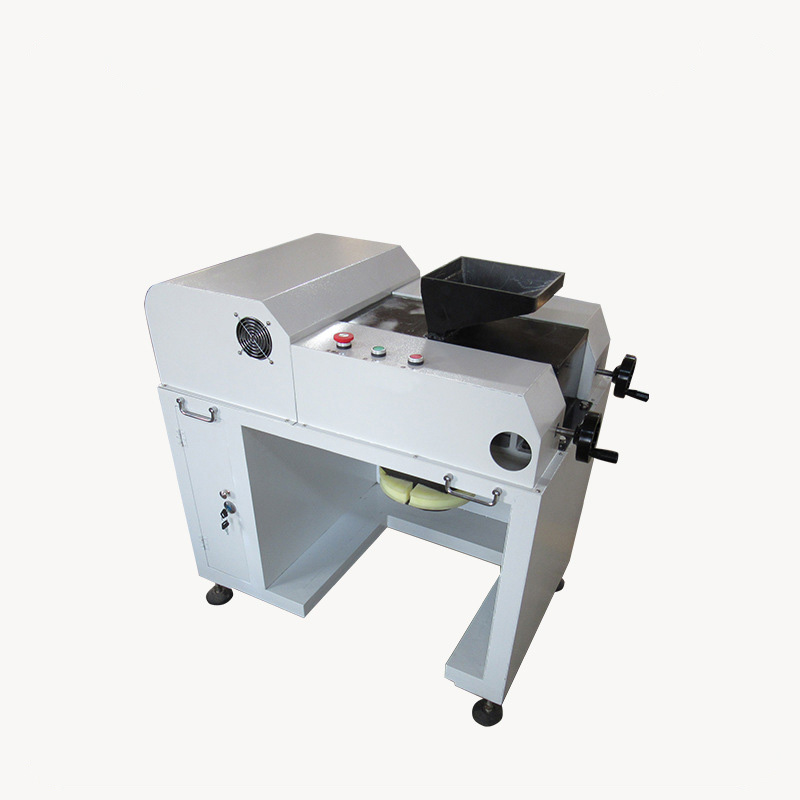
Teeth Roll Crusher: Working Principle, Applications, and Selection Guide for Laboratory and Industrial Use
Why You Need a Teeth Roll Crusher
When you work with coal, coke, limestone, shale, slag, or other medium-hard and brittle materials, you often face one common challenge: how to reduce the feed size efficiently without generating excessive fines or dust. Jaw crushers may produce too many elongated particles; hammer crushers can cause high oversize and wear. A teeth roll crusher offers a different approach — it uses two counter-rotating rolls with specially designed teeth to shear, compress, and split the material, delivering a more uniform product size with fewer fines.
In laboratories, small-scale mines, or industrial pre-processing lines, you need a machine that handles sticky or moist feeds, accommodates lumps up to a certain size, and gives you control over the final particle size. This article explains how a teeth roll crusher works, what materials it suits best, how to select the right model, and what you should consider before purchasing.
How a Teeth Roll Crusher Works
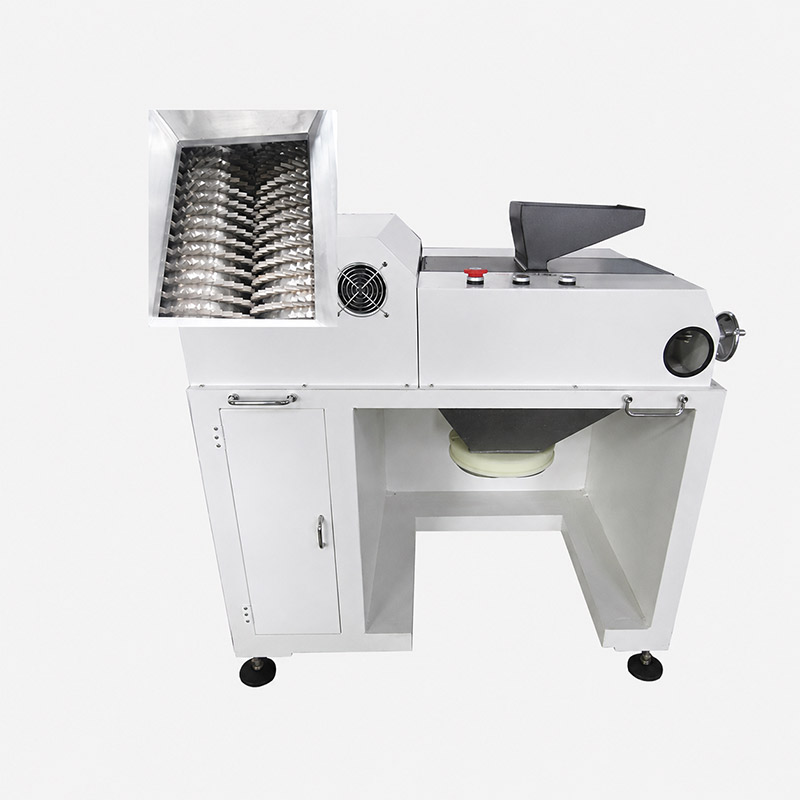
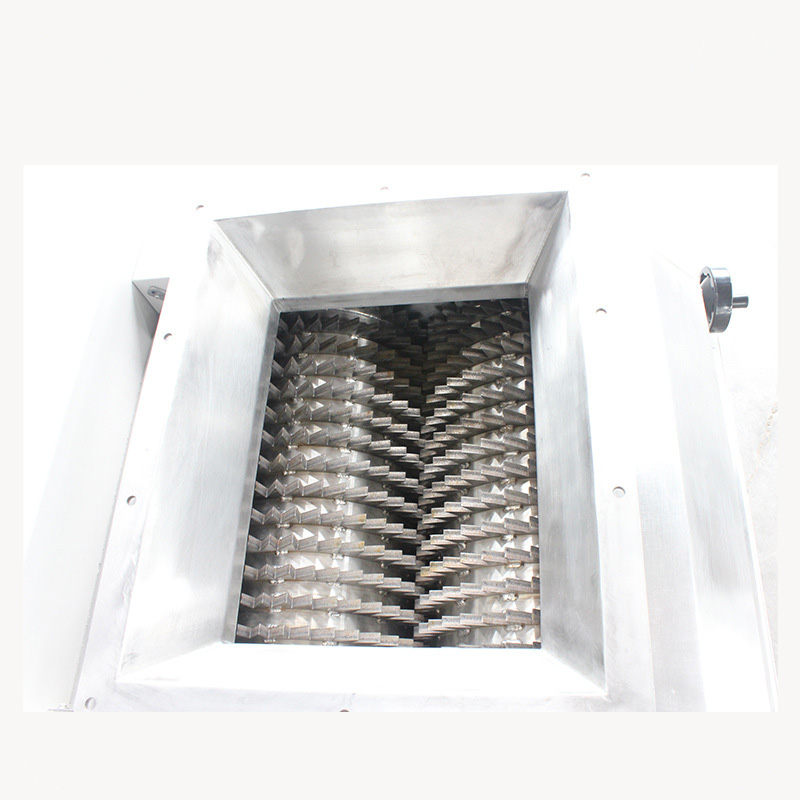
A teeth roll crusher typically consists of two parallel rolls mounted on heavy-duty bearings. The surface of each roll is equipped with rows of teeth or spikes designed to grip, split, and crush the material. One roll may be fixed, while the other is spring-loaded to allow non-crushable objects (like tramp metal) to pass through without damaging the machine.
Material enters the crushing chamber from the top. As the rolls rotate inward, the teeth catch the feed, pulling it downward and applying a combination of shear and compression forces. The gap between the rolls determines the maximum product size. Because the rolls operate at a fixed distance, the output size is more consistent than with crushers that rely on closing motion.
The teeth shape and arrangement can be customized: coarse-tooth configurations for larger feed sizes, fine-tooth or corrugated surfaces for smaller products. Many laboratory and industrial models allow you to adjust the roll gap by turning a handwheel or using a hydraulic system, providing flexibility for different crushing stages.
Key Components and Design Features
Roller Material and Tooth Profile
Rolls are typically made of wear-resistant alloys or manganese steel. The teeth can be cast integrally with the roll or replaceable as segments. For high-abrasion materials like coke or slag, harder tooth materials are preferred. The tooth profile influences the crushing action: sharper teeth provide stronger splitting force for harder materials, while blunter teeth are better for sticky feeds to reduce clogging.
Spring-Loaded Roller and Tramp Relief
One of the smartest features of a modern teeth roll crusher is the spring-loaded or hydraulic relief system. If an uncrushable object (e.g., a piece of metal) enters the crushing zone, the movable roll retracts, letting the object pass. The springs or hydraulic cylinders then return the roll to its set position. This protects the teeth and bearings from sudden overload.
Sealed Bearings and Dust Protection
Because coal, limestone, and similar materials produce dust, bearings must be well-sealed. Many laboratory teeth roll crushers use labyrinth seals or double lip seals to prevent dust ingress, extending bearing life. For industrial units, centralized lubrication systems are common.
What Materials Can a Teeth Roll Crusher Process?
Teeth roll crushers are especially effective for medium-hard, brittle, and sticky materials typical in coal preparation, power plants, mining, metallurgy, and chemical industries. Common feed materials include:
- Raw coal, lignite, and anthracite
- Coke and petroleum coke
- Limestone, shale, and gypsum
- Slag and clinker
- Rock salt, bauxite, and sulfur ore
- Frozen agglomerates or clay lumps
Because the crushing action is mainly shear and splitting, the teeth roll crusher handles moist or sticky feeds better than jaw or cone crushers. The percentage of fines (particles smaller than the set gap) is generally lower than in impact crushers, which matters when you need to minimize dust or prepare material for subsequent milling processes.
Selection Factors for a Teeth Roll Crusher
Choosing the right teeth roll crusher for your application involves several practical considerations.
Feed Size and Capacity
The maximum feed lump size must be less than the opening between the rolls (or the roll diameter dictates the acceptable size). As a rule of thumb, the feed should not exceed about 80% of the roll diameter for smooth operation. Laboratory models typically accept feeds up to 20–50 mm, while industrial units can handle lumps over 100 mm. Capacity depends on roll length, roll speed, and the set gap; laboratory teeth roll crushers may produce 50–500 kg/h, while industrial machines can exceed 100 t/h.
Required Product Particle Size
The product size is mainly controlled by the gap between the rolls. For a typical teeth roll crusher, the output size can range from 2 mm to 15 mm depending on the gap setting and tooth design. If you need finer material (e.g., below 1 mm), a subsequent grinding step with a laboratory jaw crusher or ball mill is usually required.
Roll Material and Wear Life
For abrasive materials, consider rolls made of high-chromium alloy or cast manganese steel. Replaceable tooth segments extend the service life and reduce maintenance downtime. If you process very sticky or wet materials, look for roll surfaces that resist adherence, such as corrugated or smooth-tooth patterns.
Drive and Speed Control
Most teeth roll crushers use a single motor with a belt drive or gearbox to drive both rolls through a gear pair. Some models offer variable speed drives to adjust the roll speed for different materials. Slower speeds provide more torque and less fines; faster speeds increase throughput but may produce more dust.
Laboratory vs. Industrial Teeth Roll Crushers
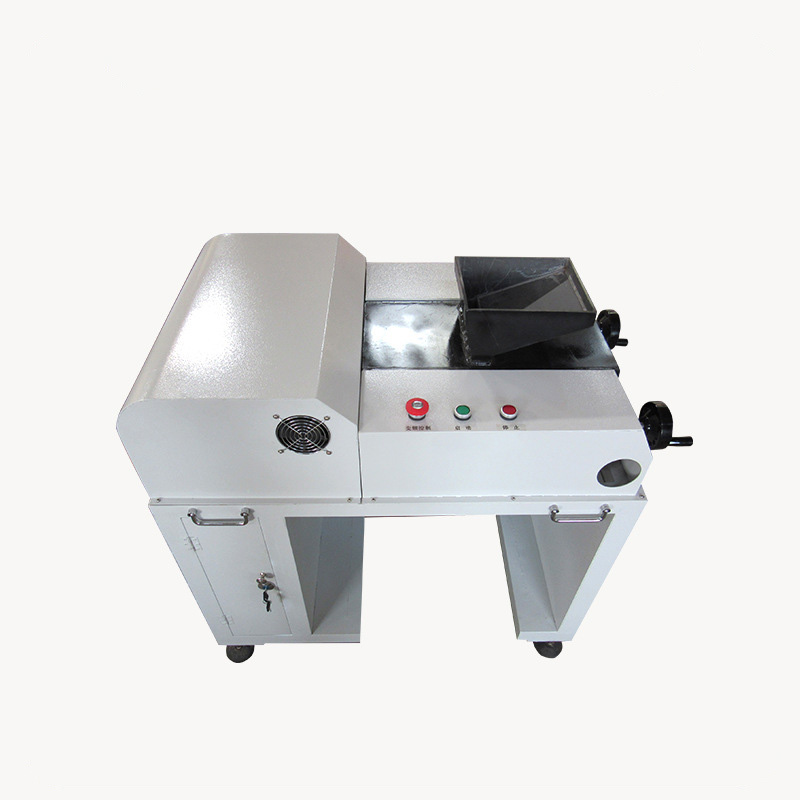
Laboratory teeth roll crushers are compact, table-top or floor-mounted units designed for small batch processing of samples. They feature:
- Smaller roll diameters (typically 150–250 mm)
- Lower throughput (50–500 kg/h)
- Adjustable gap via handwheel
- Simple construction for easy cleaning between samples
- Often compatible with double roll crusher configurations
Industrial teeth roll crushers are larger, with roll diameters up to 1200 mm and capacities of hundreds of tons per hour. They incorporate hydraulic gap adjustment, automatic tramp relief, and centralized lubrication. For most research institutions and pilot plants, a laboratory or pilot-scale teeth roll crusher is sufficient.
Maintenance and Operating Tips
- Regularly inspect the teeth for wear and replace segments before they cause uneven product size.
- Keep the roll gap calibrated; a worn roll surface can lead to oversized product.
- Check the spring tension or hydraulic pressure of the movable roll to ensure tramp relief works properly.
- Clean the crushing chamber after processing sticky materials to prevent buildup that affects gap settings.
- Lubricate bearings according to the manufacturer’s schedule; sealed bearings may need periodic replacement.
Why Choose TENCAN Teeth Roll Crusher?
TENCAN offers a range of teeth roll crushers designed for both laboratory and small-scale industrial applications. Our machines feature robust manganese steel rolls, replaceable teeth, adjustable roll gap, and sealed bearings for low maintenance. Each unit is built with a strong steel frame and safety guards to comply with laboratory standards. Whether you need to crush coal for a combustion analysis, prepare ore samples for flotation tests, or pre-crush materials before ball milling, a TENCAN teeth roll crusher provides reliable size reduction with minimal fines.
For applications requiring compressive crushing rather than shear, you may also consider our laboratory jaw crusher. If you need to break larger blocks before feeding to the final crusher, a paddle mill or stainless steel vibration crusher might be suitable.
Final Thoughts
A teeth roll crusher is a practical solution for reducing medium-hard, brittle, and sticky materials in laboratory and industrial settings. Its simple design, consistent product size, and ability to handle moist feeds make it a versatile addition to any powder processing line. When selecting a machine, consider your feed properties, target particle size, throughput, and maintenance resources. By choosing the right roll configuration and material, you can achieve efficient crushing with low oversize and minimal dust generation.