
What is an Experimental Flotation Machine? A Versatile Lab Device for Mineral Separation and Waste Treatment
What is an Experimental Flotation Machine?
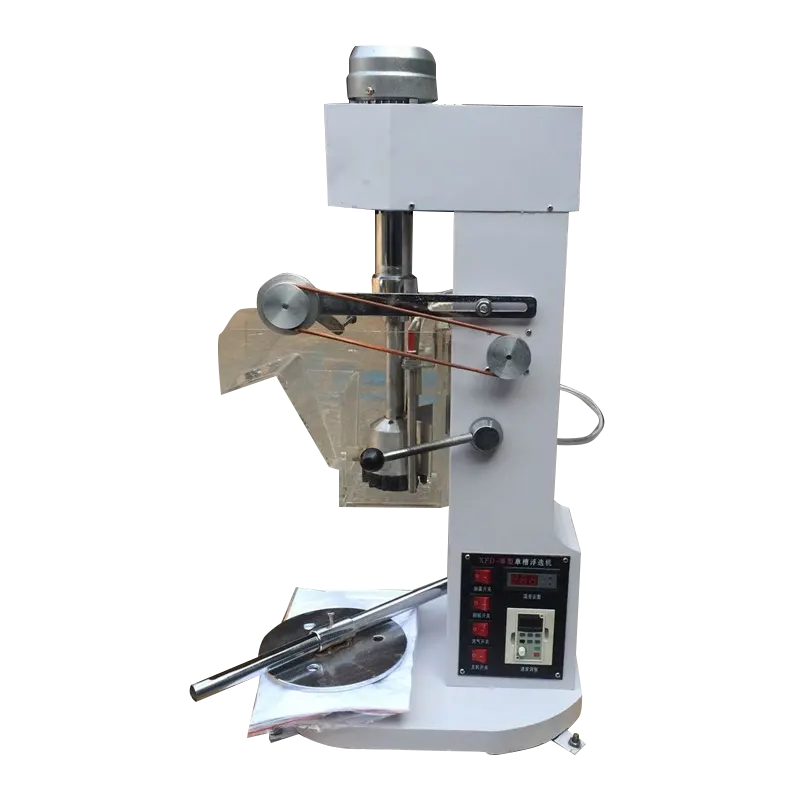
At its core, an experimental flotation machine is a specialized laboratory device used by researchers, mining engineers, and environmental scientists to separate valuable minerals from gangue, or to treat oily sludge and other waste streams. It operates on the fundamental principle of flotation, where air bubbles selectively attach to hydrophobic particles, lifting them to the water surface for collection. This compact and versatile equipment is essential for process development, feasibility studies, and quality control in mineral processing and waste management labs.
Core Function and Working Principle
The primary function of an experimental flotation machine is to separate materials based on their surface wettability. The process begins with a slurry of finely ground ore (or oily sludge) mixed with water and reagents. The machine introduces air through a rotating impeller or aeration system, creating fine bubbles. Hydrophobic particles attach to the bubbles and rise to form a froth layer, which is skimmed off as concentrate. Hydrophilic particles remain in the pulp and are discharged as tailings.
Key parameters influencing flotation efficiency include aeration rate, impeller speed, pulp density, reagent dosage, and flotation time. For example, in the treatment of oily sludge from oilfields, optimal conditions such as a controlled aeration quantity and foaming agent concentration can achieve de-oiling rates above 95% (as demonstrated in experimental studies). The machine's adjustable settings allow researchers to simulate and optimize industrial flotation circuits on a small scale.
Types of Experimental Flotation Machines
Experimental flotation machines come in various configurations to suit different research needs:
Mechanical Agitation Flotation Machine
The most common type, featuring an impeller that both agitates the pulp and disperses air. It is suitable for a wide range of materials, from metallic ores to coal and industrial minerals.
Hanging Tank Flotation Machine
Designed with a suspended tank that can be easily removed for cleaning. This type is often preferred for multi-sample tests and when frequent changes of pulp composition are required.
Column Flotation Machine (Lab-scale)
Uses a tall column with counter-current flow of air and slurry. It offers higher selectivity and is ideal for fine particle flotation and for studying column flotation dynamics.
Selection among these types depends on the specific material, desired separation efficiency, and the need to mimic industrial-scale equipment behavior. Many manufacturers provide modular designs that allow switching between different tank sizes and impeller types.
Key Performance Indicators and Selection Tips
When choosing an experimental flotation machine, consider the following parameters:
- Cell Volume and Number of Cells: Typical lab machines range from 0.5 L to 5 L per cell, often arranged in multi-cell banks for rougher-scavenger-cleaner tests.
- Aeration Control: Precise air flow regulation (often via rotameter or mass flow controller) ensures reproducible results.
- Impeller Speed: Variable speed drive (e.g., 500–3000 rpm) allows optimization of agitation intensity.
- Froth Removal Mechanism: Manual or automatic skimmer; automated systems improve consistency.
- Material Construction: Stainless steel or acrylic tanks resist corrosion and allow visual observation of the froth.
- Ease of Cleaning: Quick-release tanks and impellers reduce cross-contamination between tests.
- Data Acquisition: Some advanced models integrate sensors for pH, dissolved oxygen, and temperature logging.
For most research labs, a 1–3 L mechanical flotation machine with adjustable air and speed offers a good balance of versatility and cost. For projects requiring high throughput or specialized conditions (e.g., high-temperature flotation), consult the manufacturer for custom options.
Application Areas and Selection Advice
Experimental flotation machines are widely used in:
- Mineral Processing Research: Testing the floatability of copper, gold, iron, lead-zinc, and other ores; optimizing reagent schemes.
- Environmental Engineering: Treating oily sludge, industrial wastewater, and contaminated soils by separating oil or heavy metals.
- Coal Preparation: Assessing coal froth flotation for ash removal.
- Secondary Materials Recycling: Recovering plastics, metals, or fibers from waste streams.
- Academic Teaching: Demonstrating flotation principles in metallurgy and chemical engineering curricula.
For first-time buyers, start by defining the typical sample size, required number of tests per day, and the materials to be processed. If you work with abrasive or corrosive slurries, choose tanks made of polyurethane or stainless steel. For those who need to simulate industrial circuits, a multi-cell machine with adjustable weirs and froth collection is recommended. Always request a test or demonstration with your own materials to ensure the machine meets your separation targets.