
What is a Vacuum Kneading Machine? Working Principle, Applications and Selection Guide
If you work with high-viscosity pastes, such as lithium-ion battery electrode slurries, silicone sealants, hot-melt adhesives, or pharmaceutical ointments, you have likely faced the challenge of achieving uniform mixing while avoiding trapped air bubbles. Even a small amount of entrained air can cause defects in the final product, affecting electrical performance, mechanical strength, or appearance. This is where a vacuum kneading machine becomes an indispensable piece of equipment.
A vacuum kneading machine, also known as a vacuum kneader, combines the powerful kneading action of Z-shaped or sigma blades with a sealed chamber that can be evacuated. By removing air and moisture during the mixing process, it produces denser, more homogeneous materials with fewer voids. In this article, we will walk through how a vacuum kneader works, its most common applications, and the key parameters you should consider when selecting one for your laboratory or pilot production.
How Does a Vacuum Kneading Machine Work?
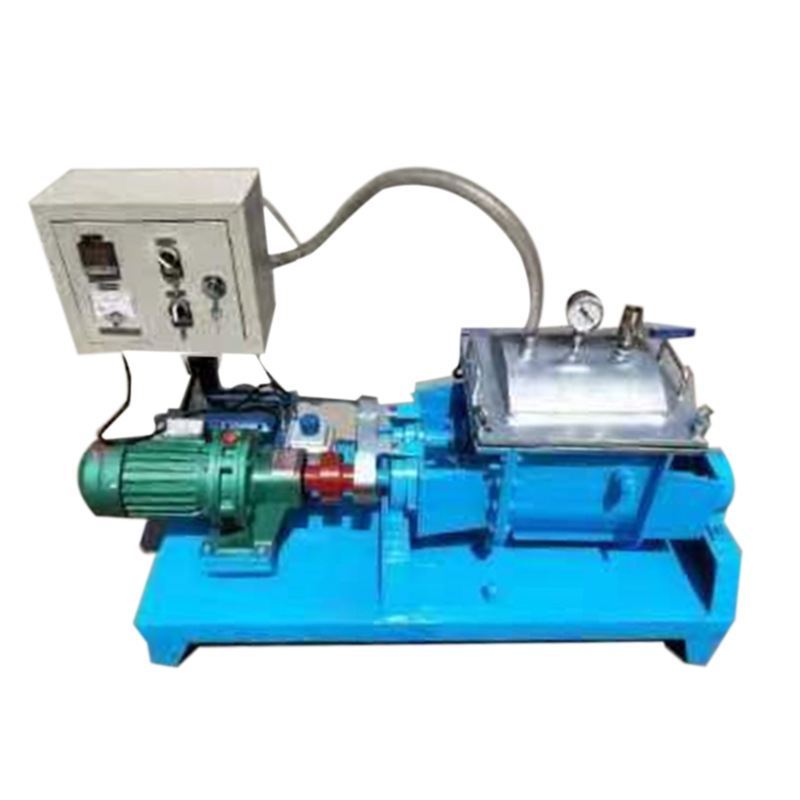
The core of a vacuum kneading machine is a trough-shaped mixing chamber equipped with two counter-rotating blades, typically in a Z or sigma profile. These blades rotate at different speeds, creating a combination of shearing, folding, and stretching actions that thoroughly mix and knead the material. The chamber is sealed with a cover, and a vacuum pump is connected to remove air and volatiles from the mixture.
During operation, the blades continuously push the material from the sides toward the center, ensuring that every part of the batch is subjected to intense mechanical work. The vacuum environment helps to de-gas the paste, reducing bubble formation and improving the density and uniformity of the final product. Many lab-scale models also allow for temperature control through a heating/cooling jacket, which is critical for materials that require precise thermal management during processing.
Key Components of a Vacuum Kneader
- Mixing trough: Usually made of stainless steel (304 or 316L) with a polished interior for easy cleaning.
- Blades: Z-shaped or sigma-type, driven by independent motors or a gear system.
- Vacuum sealing cover: Equipped with a sight glass and often a feeding port for adding ingredients under vacuum.
- Vacuum system: Includes a vacuum pump, gauge, and valve; typical vacuum level ranges from -0.08 to -0.098 MPa (depending on pump performance).
- Temperature control jacket: Allows circulation of heating oil or cooling water to maintain the desired process temperature.
- Discharge mechanism: Many models feature hydraulic or manual tilting for easy discharge of the viscous paste.
Main Applications of Vacuum Kneading Machines
Vacuum kneaders are used across many industries where high-viscosity mixing and de-aeration are critical. Below are some of the most representative application areas:
Lithium-Ion Battery Electrode Slurry
In the production of lithium-ion batteries, the positive and negative electrode active materials must be mixed with conductive agents, binders, and solvents to form a uniform slurry. Air bubbles trapped in the slurry can lead to coating defects, reduced capacity, and shorter cycle life. A vacuum kneading machine is the preferred equipment for this step because it can handle the high viscosity of NMP-based or water-based slurries while simultaneously removing bubbles. The result is a smooth, consistent paste suitable for high-quality electrode coating.
Silicone Sealants, Adhesives, and Hot-Melt Adhesives
Silicone sealants and structural adhesives often contain fillers, plasticizers, and cross-linking agents that must be intimately mixed. The vacuum environment prevents air from being incorporated, which would otherwise create weak points in the cured product. Many manufacturers use a vacuum kneader for the batch preparation of hot-melt adhesives, RTV silicones, and epoxy compounds.
Ceramic and Refractory Pastes
For the preparation of ceramic pastes used in extrusion or injection molding, a vacuum kneader helps to homogenize the powder and binder system while removing air pockets. This leads to a more consistent green body and fewer defects after sintering.
Pharmaceutical Ointments and Medical Pastes
In pharmaceutical compounding, air-free mixing is essential for ointments, gels, and pastes to ensure dose uniformity and stability. Vacuum kneaders with hygienic stainless steel construction and easy cleaning features are commonly used for small-batch production in R&D laboratories.
How to Select the Right Vacuum Kneading Machine
Choosing the correct vacuum kneader for your application involves several factors. Here are the most important ones to consider:
Batch Volume and Chamber Capacity
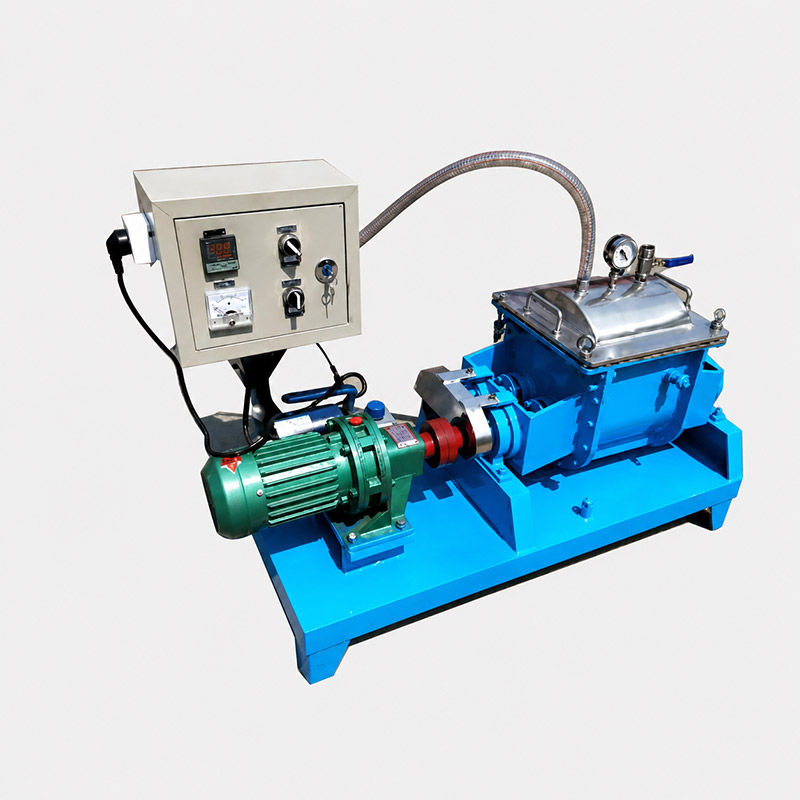
Laboratory-scale vacuum kneaders typically have a working capacity ranging from 0.5 L to 5 L, while pilot and production models can handle tens to hundreds of liters. The effective working volume is generally about 60% to 70% of the total chamber volume, depending on the material's viscosity. For a lab focusing on R&D, a 1 L or 2 L machine is often sufficient for formulation studies and small sample preparation.
Blade Material and Surface Finish
Stainless steel 304 is adequate for many organic and aqueous systems. For corrosive or chemically aggressive materials, stainless steel 316L provides better resistance. The surface should have a low roughness (Ra ≤ 0.8 μm) to facilitate cleaning and prevent material adhesion.
Vacuum Level and Pump Capacity
A deeper vacuum (e.g., -0.098 MPa) is beneficial for removing volatiles and achieving the lowest bubble content. The pump flow rate should match the chamber volume to reach the target vacuum within a reasonable time. In many lab applications, a rotary vane vacuum pump with a pumping speed of 2 to 8 m³/h is sufficient.
Temperature Control Range
If your material requires heating (e.g., hot-melt adhesive) or cooling (e.g., to prevent premature curing), check the jacket’s temperature range and the type of thermal fluid recommended. Typical lab machines can operate from room temperature up to about 200°C when using oil circulation.
Discharge Method
For small lab machines, manual tilting of the trough is common and practical. For larger units or when handling very sticky pastes, hydraulic tilting or a bottom discharge valve may be preferred.
Additional Features
- Frequency inverter control: Allows variable blade speed for different mixing stages.
- Programmable control: Enables setting mixing time, speed, vacuum level, and temperature cycles.
- Sight glass with LED lighting: Helps operators monitor the mixing process without opening the cover.
Vacuum Kneading Machine vs. Other Mixers
It is helpful to understand where a vacuum kneader fits among other mixing equipment. For example, a V-type mixer is excellent for blending dry powders that flow easily, but it cannot handle sticky pastes or operate under vacuum. A horizontal screw belt mixer is better for cohesive powders and granules, but again lacks the high shear needed for kneading. For dispersing and homogenizing liquid-solid mixtures at lower viscosity, a lab disperser is often used. When your material requires intensive kneading and de-aeration under vacuum, the vacuum kneading machine is the clear choice.
If you handle extremely heat-sensitive or shear-sensitive materials, you might also consider a non-invasive material homogenizer, though it works on a different principle and is generally limited to lower viscosities.
Practical Advice for First-Time Users
When you start working with a vacuum kneading machine, pay attention to the following points:
- Material consistency: The machine is designed for pastes with a viscosity typically above 10,000 mPa·s. If your material is too liquid, it may leak through seals or not be effectively kneaded.
- Blade clearance: The gap between blades and trough is small (typically 0.5–2 mm). Avoid feeding hard lumps or large particles that could damage the blades.
- Vacuum operation: Always check the seal O-rings for wear before starting. A poor vacuum will reduce de-aeration efficiency.
- Cleaning procedure: After each batch, clean the trough and blades promptly to prevent material from hardening. Some models offer easy-removal blade assemblies.
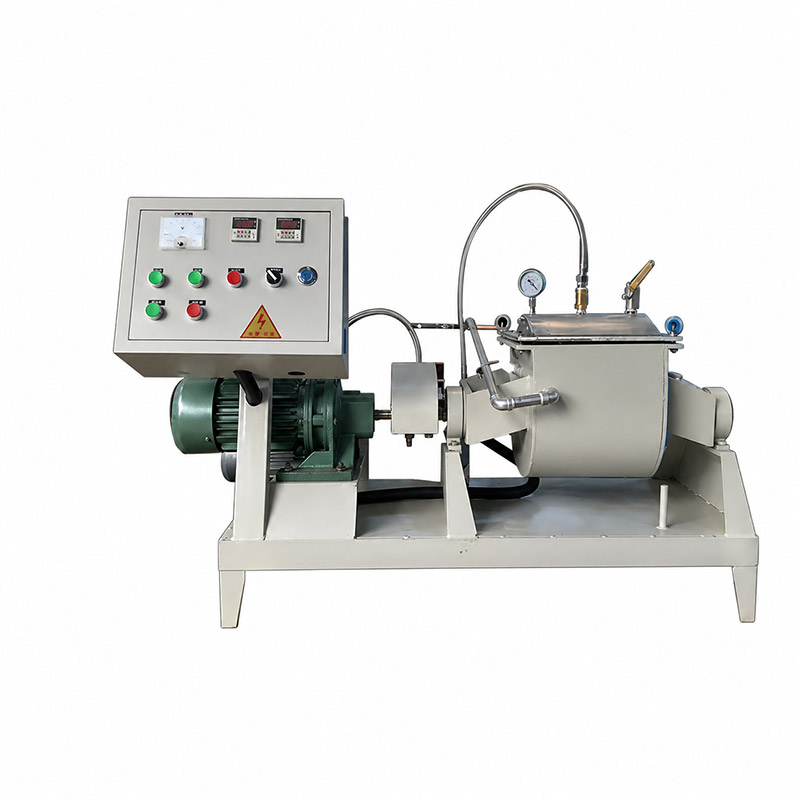
Ultimately, the right vacuum kneading machine is the one that matches your material characteristics, batch size, and process requirements. Whether you are developing a new battery formulation, testing a silicone sealant, or scaling up an adhesive recipe, investing in a well-designed vacuum kneader will improve the quality and reproducibility of your results. For more detailed technical support or to discuss your specific application, feel free to reach out to equipment specialists who can help you select the best configuration for your needs.