
Что такое шаровая мельница с внутренней футеровкой? Незагрязненная мельница для переработки порошков высокой чистоты
Что такое шаровая мельница с внутренней футеровкой?
Шаровая мельница с внутренней футеровкой представляет собой специализированный тип барабанной шаровой мельницы, предназначенный для минимизации загрязнения во время процесса измельчения. В отличие от стандартных шаровых мельниц, в которых металлический корпус может содержать примеси, эта мельница имеет износостойкую внутреннюю футеровку, часто изготовленную из керамики, резины, полиуретана или специальных сплавов, которая предотвращает прямой контакт между мелющими телами и металлическим барабаном. Лаборатории и производственные предприятия используют его для обработки материалов высокой чистоты, таких как современная керамика, аккумуляторные порошки, фармацевтические ингредиенты и тонкие химикаты, гарантируя, что конечный продукт не содержит нежелательных металлических примесей.
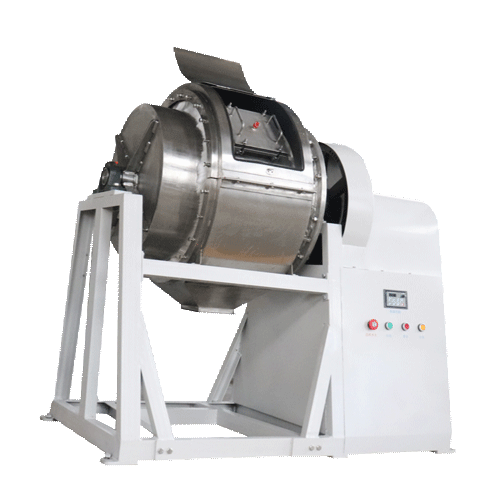
Основная функция и принцип работы
Валковая шаровая мельница с внутренней футеровкой преобразует грубый порошок или гранулированные материалы в ультрамелкие частицы (обычно от 1 микрона до субмикронного уровня) путем прокатки и переворачивания. Мельница состоит из горизонтально установленного цилиндрического барабана, вращающегося вокруг своей оси. Барабан частично заполнен мелющими телами (шарами или стержнями) и измельчаемым материалом. При вращении барабана мелющие тела поднимаются за внутреннюю стенку, а затем скатываются вниз, дробя и разрезая материал, попавший между ними.
Поскольку внутренняя футеровка заменяет голый металлический барабан, среда измельчения является химически инертной и физически гладкой. Это снижает риск попадания в продукт железа, хрома или других металлических примесей. шаровая мельница с внутренней футеровкой работает со скоростью, обычно составляющей 65-75% от критической скорости, чтобы поддерживать эффективное каскадирование без центрифугирования.
Ключевые компоненты и критически важные технологии
Материал внутренней подкладки
Подкладка – отличительная черта. Общие материалы включают в себя:
- Керамика (оксид алюминия, цирконий) — отличная износостойкость, идеально подходит для керамики высокой чистоты и аккумуляторных материалов.
- Полиуретан — хорошая стойкость к истиранию, низкий уровень шума и подходит для умеренных температур.
- Резина — гибкий, ударопрочный и часто используется в горнодобывающей промышленности или при грубом измельчении.
- Специальный сплав (например, нержавеющая сталь с износостойким покрытием) — для применений, требующих как прочности, так и чистоты.
Мельничные банки и средства массовой информации
В мельнице могут быть установлены сменные размольные стаканы, изготовленные из того же материала футеровки, что и барабан, или из других материалов в зависимости от применения. Подбор материала стакана и среды в соответствии с футеровкой обеспечивает полностью однородную среду измельчения.
Система привода и контроль скорости
Большинство шаровых мельниц с внутренней футеровкой оснащены частотно-регулируемым приводом (ЧРП), который позволяет точно регулировать скорость вращения. Это позволяет оператору оптимизировать эффективность измельчения для различных материалов и целевых размеров частиц.
Ключевые показатели эффективности и критерии отбора
При выборе шаровой мельницы с внутренней футеровкой учитывайте следующие параметры::
- Мощность обработки — обычно варьируется от нескольких сотен граммов на партию для лабораторных моделей до сотен килограммов для производственных единиц. большая шаровая мельница серия предлагает более высокую пропускную способность для промышленных нужд.
- Конечный размер частиц — может достигать 1 микрона или меньше, в зависимости от времени измельчения, размера и скорости измельчения.
- Уровень загрязнения — измеряется по увеличению содержания микроэлементов (Fe, Cr, Ni) в продукте. Качество подкладки напрямую влияет на это.
- Энергоэффективность — По сравнению с планетарными мельницами валковые шаровые мельницы, как правило, более энергоэффективны при больших объемах.
- Автоматизация — многие модели оснащены программируемыми таймерами, изменением скорости и даже автоматическими системами зажима банок.
- Обслуживание — легкий доступ к футеровке для осмотра и замены, а также наличие запасных частей.
Области применения и рекомендации по выбору
Валковые шаровые мельницы с внутренней футеровкой необходимы для:
- Передовая керамика — фрезерование оксида алюминия, циркония, нитрида кремния и т. д.
- Материалы батареи — измельчение катодных и анодных порошков, таких как оксид лития, кобальта, графита или кремния.
- Фармацевтика — микронизация активных ингредиентов без примесей металлов.
- Электроника — приготовление мелкодисперсных порошков для диэлектрической керамики, магнитных материалов или полупроводниковых компонентов.
Для лабораторий с ограниченным количеством проб подойдет компактный лабораторная шаровая мельница с небольшой керамической банкой идеально. Для пилотного или производственного масштаба большая шаровая мельница предлагает более высокую производительность и прочную конструкцию. Всегда подбирайте материал футеровки в соответствии с требованиями чистоты вашего продукта и твердостью измельчаемого материала.
Ссылки
- Страница продукта шаровой мельницы с внутренней футеровкой: https://www.labballmill.com/ru/products/grinding-series/drum-ball-mill/inner-lined-roll-ball-mill.html