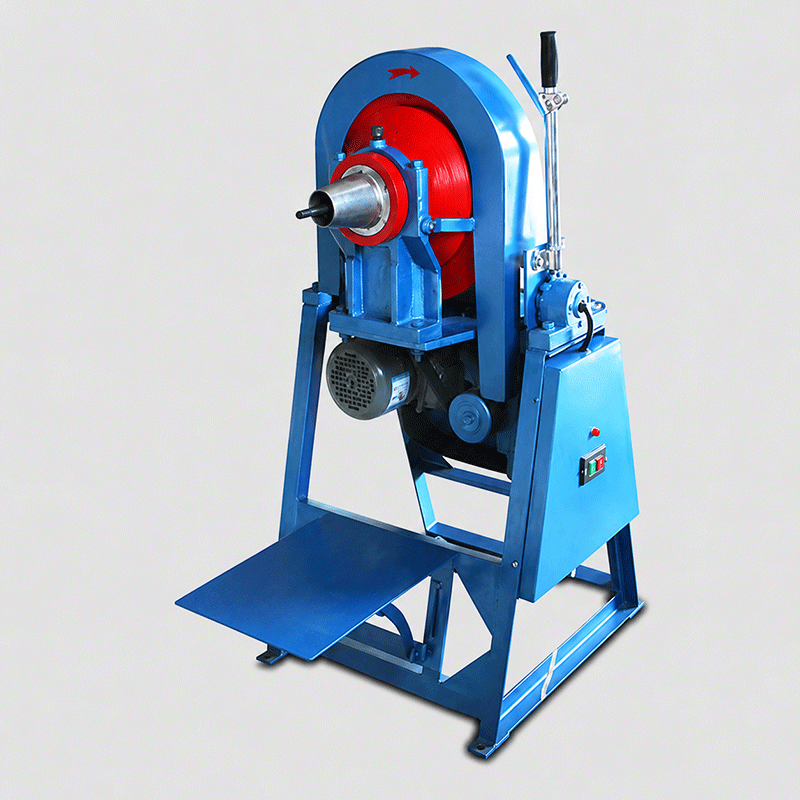
Was ist eine Labor-Kegelkugelmühle? Eine hocheffiziente Mahlanlage für die Feinerzverarbeitung in Laboren
Einführung
Im Kern ist a Labor-Kegelkugelmühle ist ein spezielles Mahlgerät, das in Laboratorien für die Mineralverarbeitung und Materialforschung zum Feinzerkleinern und Mahlen von Erzproben nach der Primärzerkleinerung eingesetzt wird. Es handelt sich um ein wichtiges Gerät zur Vorbereitung feiner Pulver für die anschließende Analyse, Aufbereitungstests oder die Produktion in kleinem Maßstab. Der kegelförmige Mühlenkörper unterscheidet sie von herkömmlichen zylindrischen Kugelmühlen und bietet einzigartige Vorteile bei der Kontrolle der Partikelgröße und der Mahleffizienz.
Kernfunktion und Arbeitsprinzip
Die Labor-Kegelkugelmühle wandelt grobe Erzpartikel (typischerweise 1/4 Zoll oder kleiner) in feine Pulver mit einer Partikelgröße von 20 bis 75 Mikrometer (oder noch feiner) um. Die Mühle besteht aus einer rotierenden kegelförmigen Trommel, die teilweise mit Stahlkugeln oder anderen Mahlkörpern gefüllt ist. Während sich die Trommel dreht, wird das Medium angehoben und kaskadiert, wodurch es auf das Material einwirkt und es abreibt. Die Kegelgeometrie erzeugt einen natürlichen Klassierungseffekt: Grobe Partikel werden im Abschnitt mit größerem Durchmesser zurückgehalten, wo mehr Mahlenergie aufgebracht wird, während feinere Partikel sich in Richtung des Austragsendes an der Kegelspitze bewegen. Dieser Selbstklassifizierungsvorgang verbessert die Mahleffizienz und erzeugt ein gleichmäßigeres Produkt.
Die Mühle kann sowohl im Nass- als auch im Trockenmodus betrieben werden. Beim Nassmahlen wird Wasser oder eine andere Flüssigkeit zu einer Aufschlämmung hinzugefügt, die den Materialtransport unterstützt und Staub reduziert. Ein typisches Labormodell wie das Kegelkugelmühle der XMQ-Serie ist für die Nassfeinmahlung von Erz konzipiert, kann aber bei Bedarf auch zur Trockenmahlung eingesetzt werden. Zu den wichtigsten Parametern gehören die Rotationsgeschwindigkeit (normalerweise 65–75 % der kritischen Geschwindigkeit, um ein Zentrifugieren zu vermeiden), die Mahldauer sowie die Größe und das Material der Mahlkörper.
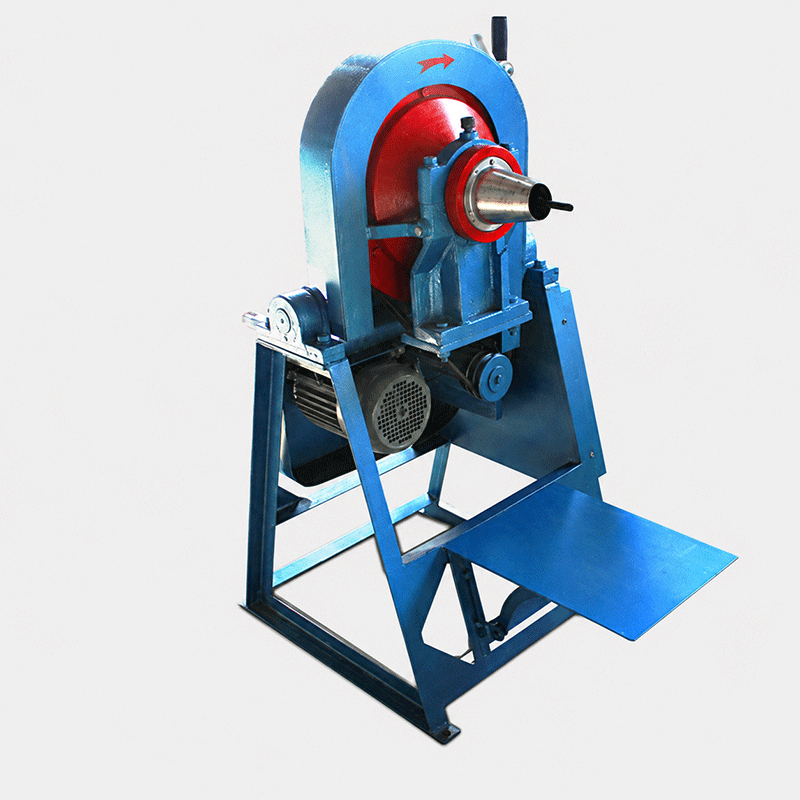
Kernkomponenten und Schlüsseltechnologien
1. Kegelförmige Trommel
Die Trommel ist der Hauptkörper, in dem das Mahlen stattfindet. Seine konische Form ermöglicht eine kontinuierliche Größentrennung: Das größere Ende dient als Mahlzone, während das kleinere Ende als Auslass dient. Dieses Design reduziert übermäßiges Mahlen und verbessert die Energieeffizienz im Vergleich zu geraden zylindrischen Mühlen.
2. Liner und Schleifmittel
Die Innenwand der Trommel ist zum Schutz des Mühlenkörpers mit austauschbaren, verschleißfesten Auskleidungen (z. B. Stahl, Gummi oder Keramik) ausgekleidet. Bei den Mahlkörpern handelt es sich in der Regel um Stahlkugeln, es können jedoch je nach Härte und Kontaminationsanforderungen der Probe auch Wolframkarbid, Zirkonoxid oder andere Materialien verwendet werden.
3. Antriebssystem und Steuerung
Ein Motor und ein Getriebe drehen die Trommel mit kontrollierter Geschwindigkeit. Viele Labormodelle verfügen über eine variable Geschwindigkeitsregelung, sodass der Bediener die Mahlintensität anpassen kann. Einige fortschrittliche Geräte verfügen über Timer und automatische Abschaltung für reproduzierbare Ergebnisse.
Wichtige Leistungsindikatoren und Auswahlleitfaden
Berücksichtigen Sie bei der Auswahl einer Labor-Kegelkugelmühle die folgenden Faktoren:
- Kapazität: Labormodelle wie der XMQ-150×50 verfügen über eine kleine Chargenkapazität (z. B. 150 mm Durchmesser × 50 mm Kegellänge), die für die Verarbeitung von einigen hundert Gramm bis einigen Kilogramm pro Charge geeignet ist. Für einen höheren Durchsatz sind größere Modelle erhältlich.
- Mahlfeinheit: Abhängig von den Erzeigenschaften und den Mahlparametern kann die Mühle eine Endproduktgröße von 200 Mesh (74 Mikrometer) oder feiner erreichen.
- Nass-/Trockenfähigkeit: Die meisten Kegelkugelmühlen unterstützen sowohl das Nass- als auch das Trockenmahlen, bei Mineralverarbeitungstests wird das Nassmahlen jedoch häufiger eingesetzt.
- Wartung: Das einfache Strukturdesign gewährleistet eine einfache Reinigung und einen einfachen Austausch der Auskleidung. Es wird empfohlen, das Antriebssystem und den Verschleiß der Laufbuchsen regelmäßig zu überprüfen.
- Automatisierung: Einfache Modelle erfordern eine manuelle Bedienung, während einige über digitale Zeitschaltuhren und Geschwindigkeitsregler für eine verbesserte Wiederholgenauigkeit verfügen.
Anwendungsgebiete und Empfehlungen
Labor-Kegelkugelmühlen werden häufig verwendet:
- Metallurgie und Bergbau: Erzaufbereitungstests, Gehaltsanalyse und Prozessentwicklung.
- Geologie: Probenvorbereitung für mineralogische Studien.
- Kohle- und Chemieindustrie: Mahlen von Kohle, Koks und chemischen Rohstoffen.
- Baustoffe: Mahlen von Zement- und Keramikrohstoffen.
- Bildung und Forschung: Universitätslabore und Forschungs- und Entwicklungszentren.
Für Anwender, die kleine Mengen Erzproben mit hoher Präzision verarbeiten müssen, ist eine Labor-Kegelkugelmühle eine ausgezeichnete Wahl. Es kann in Verbindung mit Flotationszellen, Magnetabscheidern und Schütteltischen verwendet werden, um einen vollständigen Aufbereitungstest durchzuführen. Wenn Ihre Anwendung einen höheren Durchsatz oder eine andere Partikelgrößenverteilung erfordert, ziehen Sie andere Labormahlgeräte in Betracht, z Dreiwalzenmühle oder Labor-Luftstrahlmühle .