
مطحنة التربة وآلة الغربال: المعدات الأساسية لإعداد عينات التربة بكفاءة
لماذا يعد تحضير عينة التربة أمرًا مهمًا؟
عندما تعمل مع عينات التربة في مختبر بيئي أو زراعي أو جيوتقني، فإن جودة تحليلك تبدأ بكيفية تحضير العينة. غالبًا ما تحتوي التربة الخام على كتل وأحجار وحطام عضوي ورطوبة متغيرة. يعد الطحن والغربلة خطوات أساسية لإنتاج مسحوق تمثيلي متجانس يمكن استخدامه لاختبار الرقم الهيدروجيني أو تحليل العناصر الغذائية أو الكشف عن المعادن الثقيلة أو توزيع حجم الجسيمات أو الدراسات المعدنية. وبدون الطحن والغربلة المناسبين، قد تكون نتائجك غير متسقة، وتتأثر إمكانية تكرار تجاربك.
هذا حيث أ طاحونة التربة وآلة الغربال يصبح لا غنى عنه. فهو يجمع بين وظيفتين مهمتين - الطحن والغربلة - في سير عمل واحد فعال، مما يوفر لك الوقت ويضمن أن كل عينة تلبي الدقة المطلوبة قبل التحليل.
ما هي طاحونة التربة وآلة الغربال؟
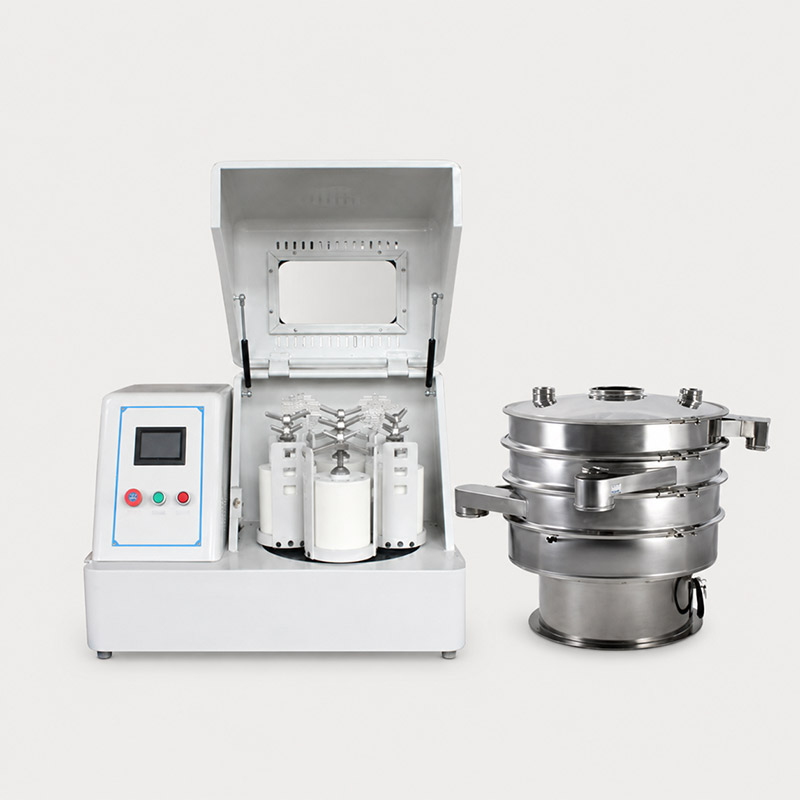
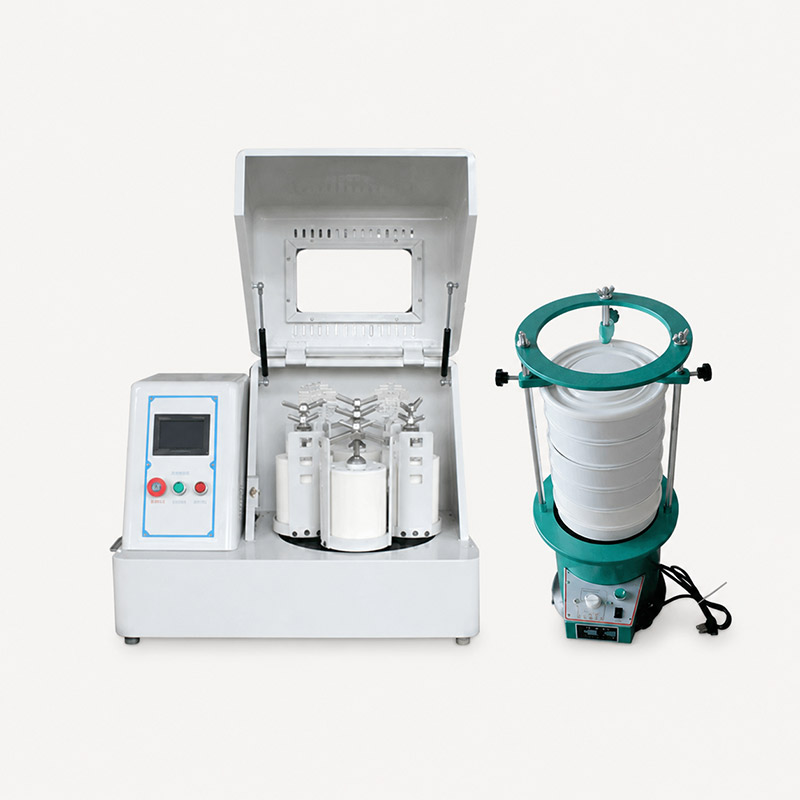
طاحونة التربة وآلة الغربلة عبارة عن جهاز مختبري مصمم لتكسير مجاميع التربة وفصل الجزيئات حسب الحجم. وتتكون عادةً من آلية طحن - غالبًا ما تكون مطحنة كروية كوكبية، أو مطحنة قرصية، أو مطحنة مطرقة - يتبعها نظام غربلة متكامل يصنف المادة الأرضية إلى أجزاء مختلفة. تسمح لك الآلة بمعالجة عينات التربة الجافة بسرعة، وإنتاج مسحوق ناعم يمر عبر شبكة بحجم محدد، عادةً 2 مم أو 0.5 مم، اعتمادًا على المعيار التحليلي.
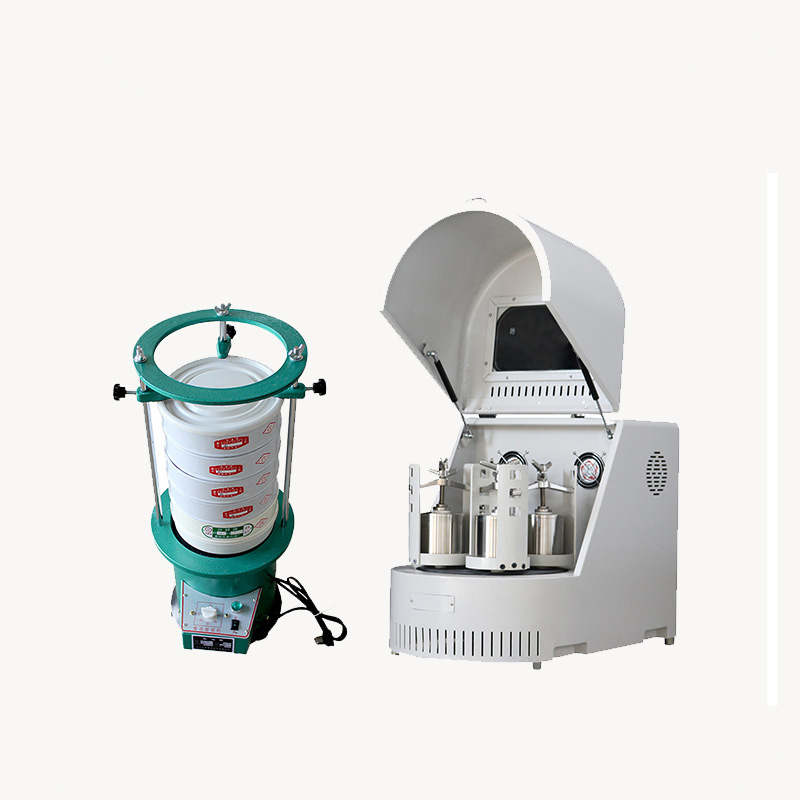
في TENCAN، نحن نقدم مخصصة طاحونة التربة وآلة الغربال الذي يدمج مطحنة الكرة الكوكبية مع شاكر الغربال الاهتزازي. يعد هذا التصميم فعالاً بشكل خاص للمختبرات التي تحتاج إلى معالجة عينات متعددة من التربة يوميًا مع التحكم المتسق في حجم الجسيمات.
كيف تعمل طاحونة التربة وآلة الغربال؟
إن مبدأ العمل لمطحنة التربة وآلة الغربلة المدمجة بسيط ولكنه فعال للغاية. تستخدم مرحلة الطحن آلية طاحونة الكرات الكوكبية، حيث يتم وضع عينة التربة في أوعية الطحن جنبًا إلى جنب مع كرات الطحن. أثناء دوران القرص الرئيسي، تدور الجرار أيضًا على محاورها الخاصة، مما يؤدي إلى إنشاء قوى كوريوليس التي تتسبب في اصطدام الكرات بجزيئات التربة وقصها. يمكن لهذه العملية أن تحول كتل التربة الجافة إلى مسحوق ناعم في غضون دقائق.
بعد الطحن، يتم نقل المادة إلى قسم الغربلة، إما يدويًا أو من خلال نظام نقل متكامل. يتم اهتزاز كومة الغربال ميكانيكيًا، مما يسمح للجسيمات الأصغر من فتحة الشبكة بالسقوط بينما تبقى الجسيمات الأكبر على الغربال. اعتمادا على التكوين، يمكنك جمع كسور متعددة الحجم في وقت واحد، وهو أمر مفيد لتحليل توزيع حجم الجسيمات.
العديد من الآلات الحديثة، بما في ذلك TENCAN يسمح لك الطراز بضبط وقت الطحن وسرعة الدوران ووقت الغربلة بشكل مستقل، مما يمنحك التحكم الكامل في حجم الجسيمات النهائي. تمنع أوعية الطحن المغلقة أيضًا انبعاث الغبار، وهو أمر مهم عند التعامل مع عينات التربة التي يحتمل أن تكون ملوثة.
التطبيقات الرئيسية لمعدات طحن وغربلة التربة
اختبار التربة البيئية
في المختبرات البيئية، يتم تحليل عينات التربة بحثًا عن الملوثات مثل المعادن الثقيلة والمبيدات الحشرية والملوثات العضوية. إن طحن التربة إلى مسحوق ناعم ومتجانس يضمن أن العينة المأخوذة للهضم أو الاستخراج تمثل الجزء الأكبر. تقوم آلة الغربلة بعد ذلك بفصل الجزيئات الكبيرة (مثل الحجارة أو الجذور) التي قد تؤدي إلى تحريف النتائج.
البحوث الزراعية والزراعية
يقوم علماء الزراعة بقياس مغذيات التربة، ودرجة الحموضة، والمواد العضوية، والنشاط الميكروبي. مطلوب حجم جسيم ثابت - أقل من 2 مم عادةً - لمعظم الاختبارات القياسية. يؤدي استخدام مطحنة التربة وآلة الغربلة إلى تسريع عملية تحضير مئات العينات يوميًا، مما يؤدي إلى تحسين إنتاجية المختبر.
اختبارات المواد الجيوتقنية ومواد البناء
يحتاج المهندسون الجيوتقنيون إلى تحديد توزيع حجم جسيمات التربة لتصميم الأساس، وبناء الطرق، والسيطرة على التآكل. يمكن لآلة الطحن والغربلة المدمجة أن تنتج الأجزاء اللازمة لتحليل الغربال، لتحل محل الغربلة اليدوية كثيفة العمالة.
التنقيب عن المعادن والجيولوجية
في التنقيب عن المعادن، غالبًا ما يتم طحن عينات التربة إلى مسحوق ناعم لتحليل الأشعة السينية (XRF) أو حيود الأشعة السينية (XRD). يضمن الغربال المتكامل أن المسحوق الذي يتم تغذيته في جهاز التحليل له نطاق حجم ضيق، مما يحسن دقة تحديد المعادن.
الميزات الرئيسية التي يجب البحث عنها في مطحنة التربة وآلة الغربلة
عند اختيار مطحنة التربة وآلة الغربلة لمختبرك، ضع في اعتبارك العوامل التالية للتأكد من أنها تلبي احتياجات إعداد العينة الخاصة بك:
قدرة الطحن والكفاءة
يجب أن يكون الجهاز قادرًا على التعامل مع حجم العينة النموذجي الذي تقوم بمعالجته. بالنسبة لمعظم مختبرات التربة، تكون سعة وعاء الطحن من 250 مل إلى 500 مل لكل دفعة كافية. يوفر تصميم المطحنة الكروية الكوكبية طحنًا عالي الطاقة، والذي يمكن أن يقلل التربة الجافة من كتل بحجم سنتيمتر إلى مسحوق ناعم (عادةً أقل من 75 ميكرومتر) في 10-30 دقيقة، اعتمادًا على نوع التربة ومحتوى الرطوبة. ابحث عن آلة ذات تحكم في السرعة قابل للتعديل لتحسين عملية الطحن لمختلف أنواع التربة.
دقة الغربلة وتعدد الاستخدامات
يجب أن يسمح لك نظام الغربال المتكامل باستخدام مناخل الاختبار القياسية (على سبيل المثال، ASTM أو ISO) بأحجام شبكية تتراوح من 2 مم إلى 20 ميكرومتر. يضمن شاكر الغربال الاهتزازي ذو السعة القابلة للتعديل وإعدادات الوقت فصلًا قابلاً للتكرار. توفر بعض الآلات خيار الغربلة الرطبة، والذي يمكن أن يكون مفيدًا للتربة التي تميل إلى التكتل أثناء الغربلة الجافة.
التحكم في الغبار والسلامة
قد تحتوي عينات التربة، وخاصة تلك المأخوذة من المواقع الملوثة، على جزيئات خطرة. إن وعاء الطحن المحكم الإغلاق وغطاء الغربال المحكم ضد الغبار يحميان المشغل وبيئة المختبر. يجب أن تشتمل الماكينة أيضًا على أقفال أمان تمنع التشغيل عندما يكون الغطاء مفتوحًا.
سهولة التنظيف
يعد التلوث المتبادل بين العينات مصدر قلق كبير في تحليل التربة. يجب أن تكون أوعية الطحن والكرات ومكونات الغربال سهلة الفك والتنظيف. ويفضل استخدام مواد الفولاذ المقاوم للصدأ أو السيراميك لأنها متينة ومقاومة للتآكل. تأتي بعض الآلات مزودة بآلية قفل سريعة التحرير للجرار، مما يقلل وقت التنظيف بين الدفعات.
التحكم القابل للبرمجة وتسجيل البيانات
غالبًا ما تتميز ماكينات طحن التربة وآلات الغربلة الحديثة بواجهة تعمل باللمس تتيح لك تخزين برامج طحن وغربلة متعددة. وهذا مفيد بشكل خاص عندما يكون لديك بروتوكولات قياسية لأنواع مختلفة من العينات. يمكن أن يساعد تسجيل بيانات معلمات العملية (الوقت والسرعة ودرجة الحرارة) في مراقبة الجودة وإمكانية التتبع.
دليل الاختيار: كيفية اختيار مطحنة التربة وآلة الغربلة المناسبة
لاتخاذ قرار مستنير، يجب عليك تقييم الجوانب التالية بناءً على متطلباتك المحددة:
| اعتبار | ما الذي تبحث عنه |
|---|---|
| إنتاجية العينة | كم عدد العينات التي تحتاج إلى معالجتها يوميًا؟ اختر آلة ذات سعة دورق كافية ودورات طحن/غربلة سريعة. |
| حجم الجسيمات المستهدفة | بالنسبة لمعظم تحليلات التربة، مطلوب دقة نهائية < 150 ميكرومتر. إذا كنت بحاجة إلى طحن بمقياس النانو، فمن المستحسن استخدام مطحنة كروية كوكبية ذات طاقة أعلى. |
| مادة جرة الطحن | يعد الفولاذ المقاوم للصدأ أمرًا شائعًا، ولكن لتحليل المعادن الثقيلة، يُفضل استخدام أوعية العقيق أو الزركونيا لتجنب التلوث. |
| الطحن الجاف مقابل الرطب | تحتوي بعض أنواع التربة على طين يسد المناخل عندما تجف. يمكن أن تكون الآلة التي تدعم الطحن الرطب والغربلة مفيدة. |
| مستوى الأتمتة | تتوفر آلات مؤتمتة بالكامل مزودة بوزن مدمج ونقل العينات للمختبرات عالية الإنتاجية، ولكن النماذج اليدوية أكثر اقتصادا للمختبرات الصغيرة. |
| الجهد وإمدادات الطاقة | تأكد من أن الجهاز يتوافق مع المواصفات الكهربائية المحلية لديك (على سبيل المثال، 110 فولت/220 فولت، 50/60 هرتز). |
إذا لم تكن متأكدًا من التكوين الأفضل، فمن المفيد مناقشة المواد الخاصة بك وحجم الجسيمات المستهدفة مع مورد المعدات. على سبيل المثال، TENCAN’يمكن للفريق الفني أن يوصي بمادة الجرة المناسبة وحجم الكرة ونسبة الكرة إلى المسحوق بناءً على نوع التربة ومتطلبات التحليل. عادة، بالنسبة لطحن التربة الجافة، تكون نسبة الكرة إلى المسحوق من 5:1 إلى 10:1 بالوزن نقطة بداية جيدة، ولكن يجب تحسين ذلك تجريبيًا.
نصائح التشغيل للحصول على نتائج متسقة
للحصول على أقصى استفادة من مطحنة التربة وآلة الغربلة، اتبع هذه الإرشادات العملية:
- جفف التربة مسبقًا – إذا كانت التربة تحتوي على أكثر من 10% رطوبة، فقد تسد المنخل وتشكل تكتلات. جفف العينة بالهواء أو بالفرن عند درجة حرارة منخفضة (على سبيل المثال، 40 درجة مئوية) قبل الطحن.
- استخدم حجم كرة الطحن الصحيح – بالنسبة لمجموعات التربة الخشنة، ابدأ بالكرات الأكبر (10-20 مم) لتكسير الكتل، ثم انتقل إلى الكرات الأصغر (3-5 مم) للطحن الناعم. مزيج من الأحجام غالبا ما يعمل بشكل أفضل.
- التحكم في وقت الطحن – يمكن أن يؤدي الإفراط في الطحن إلى توليد حرارة زائدة، مما قد يغير الخصائص المعدنية للتربة. استخدم دورات طحن متقطعة (على سبيل المثال، 10 دقائق تشغيل، 5 دقائق إيقاف) للعينات الحساسة للحرارة.
- تنظيف بين العينات – استخدم فرشاة وهواء مضغوط لإزالة المسحوق المتبقي من الجرة والمنخل. بالنسبة للتطبيقات الهامة، اغسل المكونات بالماء منزوع الأيونات وجففها جيدًا.
- معايرة شاكر الغربال – تحقق بشكل دوري من أداء الغربال باستخدام المواد المرجعية القياسية لضمان الفصل الدقيق لحجم الجسيمات.
الأسئلة الشائعة حول ماكينات طحن التربة وآلات الغربلة
هل يمكنني استخدام طاحونة الكرات الكوكبية وحدها لطحن التربة بدون غربال؟
نعم، يمكن لمطحنة الكرات الكوكبية طحن التربة إلى مسحوق ناعم، لكنك ستحتاج إلى خطوة غربلة منفصلة لتحقيق جزء حجمي محدد. توفر الآلة المدمجة الوقت وتقلل من التعامل، خاصة عندما تحتاج إلى كسور متعددة الأحجام.
ما هي الإنتاجية النموذجية لمطحنة التربة وآلة الغربلة في المختبر؟
بالنسبة لآلة تحتوي على وعاء طحن بسعة 500 مل، يمكنك معالجة ما يقرب من 100-200 جرام من التربة الجافة لكل دفعة. يتراوح إجمالي وقت الدورة (الطحن + الغربلة) عادة من 15 إلى 30 دقيقة، مما يسمح لك بمعالجة 16 إلى 32 عينة لكل نوبة عمل مدتها 8 ساعات، اعتمادًا على وقت التنظيف.
هل الآلة مناسبة لطحن مواد أخرى غير التربة؟
قطعاً. يمكن استخدام نفس الآلة لطحن وغربلة مجموعة واسعة من المواد الجافة، بما في ذلك الرواسب والصخور والمعادن والمواد الكيميائية والمواد النباتية، طالما أنها ليست ليفية أو زيتية للغاية. ومع ذلك، يجب اختيار مادة وعاء الطحن لتجنب التلوث المتبادل.
كيف أتأكد من أن الآلة آمنة للتشغيل؟
اتبع دائمًا تعليمات السلامة الخاصة بالشركة المصنعة. يجب وضع الآلة على مقعد ثابت، ويجب تشديد غطاء وعاء الطحن بشكل آمن، ويجب تثبيت كومة الغربال بشكل صحيح. لا تفتح الجرة مطلقًا أثناء تشغيل الآلة. استخدم معدات الحماية الشخصية مثل القفازات وقناع الغبار عند التعامل مع عينات التربة.
خاتمة
تعتبر مطحنة التربة وآلة الغربلة أداة أساسية لأي مختبر يقوم بتحليل التربة. من خلال الجمع بين الطحن والغربلة في وحدة واحدة، فإنه يبسط إعداد العينات، ويحسن إمكانية التكرار، ويقلل من العمل اليدوي. سواء كنت تعمل في مجال المراقبة البيئية، أو الزراعة، أو الهندسة الجيوتقنية، أو التنقيب عن المعادن، فإن المعدات المناسبة يمكن أن تُحدث فرقًا كبيرًا في جودة وكفاءة عملك.
عند اختيار الآلة، انتبه إلى قدرة الطحن، ودقة الغربلة، والتحكم في الغبار، وسهولة التنظيف. ال طاحونة التربة وآلة الغربال مقدمة من TENCAN تم تصميمه مع أخذ هذه الاعتبارات في الاعتبار، مما يوفر حلاً موثوقًا للمختبرات في جميع أنحاء العالم. لمزيد من المعلومات أو لمناقشة طلبك المحدد، لا تتردد في التواصل مع فريقنا الفني.