
Bình nghiền hành tinh Zirconia: Nghiền độ tinh khiết cao cho vật liệu tiên tiến
Tại sao nên chọn bình nghiền hành tinh Zirconia?
Khi bạn làm việc với các vật liệu yêu cầu độ tinh khiết cao, chẳng hạn như gốm sứ cao cấp, bột điện cực pin hoặc hợp chất dược phẩm, việc lựa chọn vật liệu cối nghiền trở nên quan trọng. Sự nhiễm bẩn từ bình có thể làm thay đổi thành phần của mẫu, dẫn đến kết quả không đáng tin cậy hoặc thí nghiệm thất bại. MỘT bình nghiền hành tinh zirconia mang lại sự cân bằng tuyệt vời về độ cứng, khả năng chống mài mòn và độ trơ hóa học, khiến nó trở thành lựa chọn ưu tiên cho nhiều ứng dụng trong phòng thí nghiệm và nghiên cứu.
Zirconia (ZrO₂) là vật liệu gốm được biết đến với mật độ cao, độ bền gãy và hệ số ma sát thấp. Khi được sử dụng làm bình nghiền trong máy nghiền bi hành tinh, nó cung cấp một môi trường nghiền sạch giúp giảm thiểu kim loại hoặc các tạp chất không mong muốn khác. Điều này đặc biệt quan trọng đối với các mẫu sau này sẽ được phân tích để tìm nguyên tố vi lượng hoặc được sử dụng trong các quy trình nhạy cảm như tổng hợp pin thể rắn.
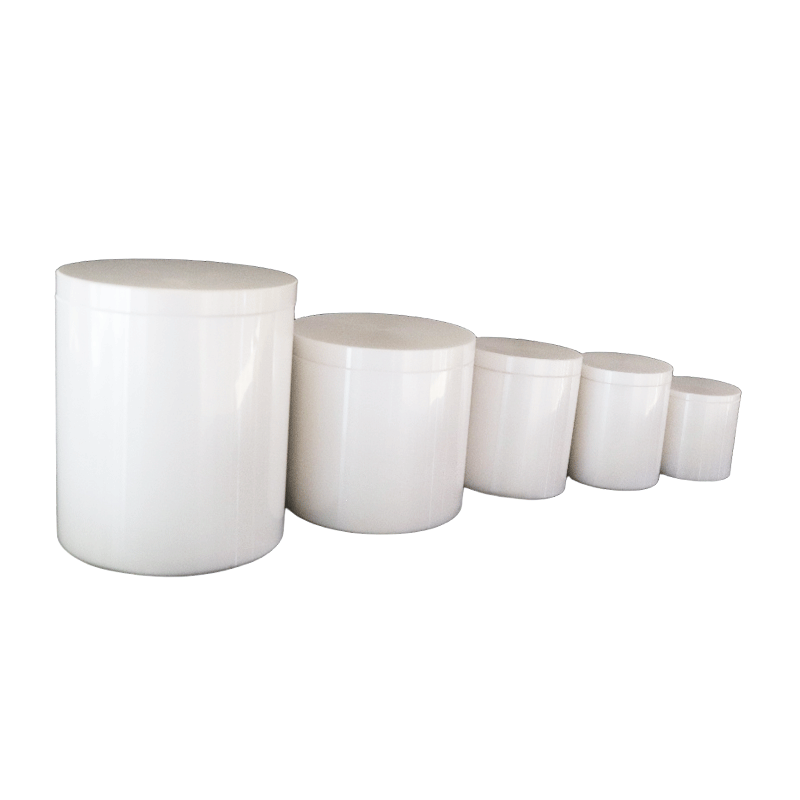
Đặc tính chính của lọ mài Zirconia
Hiểu các đặc tính vật lý và hóa học của zirconia giúp bạn quyết định xem nó có phù hợp với công việc mài cụ thể của bạn hay không. Dưới đây là những đặc điểm phù hợp nhất:
Mật độ và độ cứng cao
Zirconia có mật độ khoảng 6,0 g/cm³, cao hơn đáng kể so với alumina (khoảng 3,9 g/cm³) hoặc mã não (khoảng 2,6 g/cm³). Mật độ cao này chuyển thành năng lượng va chạm lớn hơn trong quá trình nghiền, cho phép bạn đạt được kích thước hạt mịn hơn trong thời gian ngắn hơn. Độ cứng của zirconia (khoảng 8,5 trên thang Mohs) đảm bảo rằng cối mài mòn rất chậm, ngay cả khi mài các vật liệu cứng như cacbua silic hoặc thạch anh.
Khả năng chống mài mòn tuyệt vời
Trong nhiều ứng dụng trong phòng thí nghiệm, cối nghiền zirconia có tốc độ mài mòn thấp hơn nhiều so với thép không gỉ hoặc mã não. Điều này có nghĩa là bạn có thể xử lý hàng trăm mẻ trước khi cần thay bình. Độ mài mòn thấp cũng góp phần vào ô nhiễm chéo tối thiểu , một yếu tố quan trọng đối với vật liệu được sử dụng trong gốm điện tử hoặc chất xúc tác có độ tinh khiết cao.
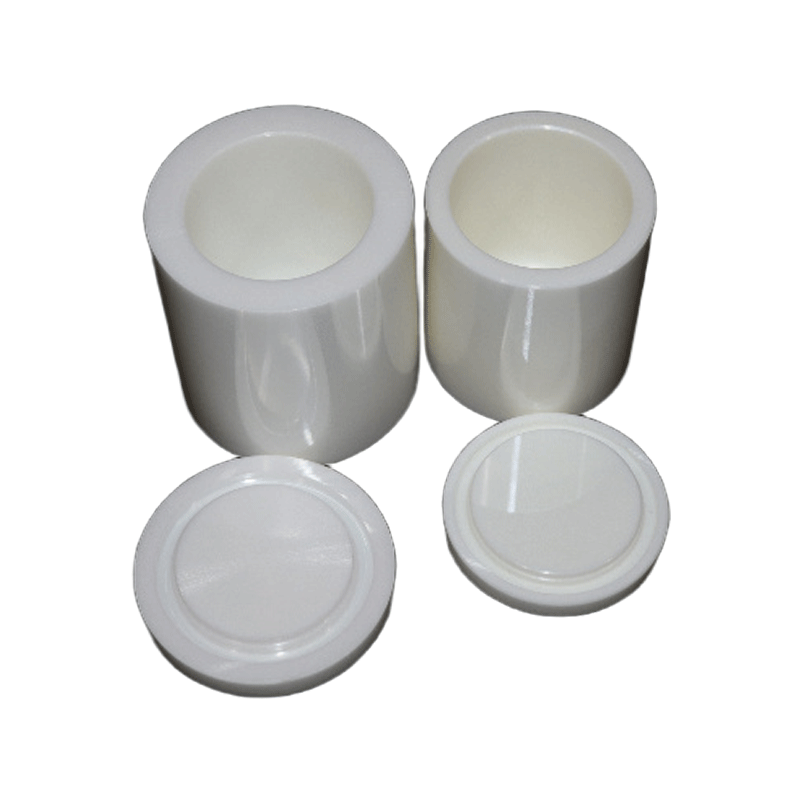
Độ trơ hóa học
Zirconia có khả năng chống lại hầu hết các axit, kiềm và dung môi hữu cơ. Nó không phản ứng với chất trợ nghiền hoặc vật liệu mẫu thông thường trong điều kiện nghiền thông thường. Điều này làm cho nó phù hợp để nghiền ướt với chất lỏng ăn mòn hoặc để xử lý các vật liệu nhạy cảm với sự thay đổi độ pH.
Cách chọn bình nghiền hành tinh Zirconia phù hợp
Khi chọn bình zirconia cho máy nghiền bi hành tinh của bạn, bạn cần xem xét một số yếu tố ngoài vật liệu. Lựa chọn chính xác đảm bảo hiệu quả mài tối ưu và khả năng tương thích của thiết bị.
Khối lượng và công suất bình
Thể tích bình trong phòng thí nghiệm thông thường dao động từ 50 mL đến 500 mL, với một số mẫu cung cấp tới 1 L trở lên. Khối lượng phù hợp phụ thuộc vào số lượng mẫu của bạn trên mỗi lô. Để tham khảo thực tế, bạn thường nên đổ các viên bi nghiền vào khoảng một phần ba thể tích của lọ và bột mẫu phải chiếm khoảng không gian tương đương với khoảng trống giữa các viên bi. Đối với lọ 250 mL, điều này có thể có nghĩa là sử dụng 50–80 mL vật liệu mẫu tùy thuộc vào tỷ lệ bi-bột mà bạn chọn.
Phù hợp với các mô hình máy nghiền hành tinh
Bình Zirconia được thiết kế để phù hợp với nền tảng máy nghiền bi hành tinh tiêu chuẩn. Hầu hết các nhà sản xuất đều cung cấp lọ có thiết kế mặt bích hoặc kẹp cụ thể. Tại TENCAN, ví dụ: lọ zirconia của chúng tôi tương thích với các máy nghiền hành tinh dọc và ngang của chúng tôi. Luôn kiểm tra kích thước cối (đường kính, chiều cao và cơ cấu khóa) theo thông số kỹ thuật của máy nghiền để đảm bảo vừa vặn an toàn.
Chọn bóng mài phù hợp
Để có kết quả tốt nhất, hãy sử dụng bi mài zirconia cùng với bình zirconia. Điều này đảm bảo rằng bình và bi mài mòn ở mức độ tương tự, giảm thiểu ô nhiễm. Bóng Zirconia có nhiều kích cỡ từ 1 mm đến 20 mm. Để mài mịn, người ta thường sử dụng những viên bi nhỏ hơn (1–5 mm); đối với mài thô hoặc gia công hợp kim cơ học, các viên bi lớn hơn (10–20 mm) sẽ cung cấp lực va đập lớn hơn.
Các ứng dụng của lọ nghiền hành tinh Zirconia
Lọ Zirconia được sử dụng rộng rãi trong các ngành công nghiệp nơi độ tinh khiết và độ bền là điều tối quan trọng. Dưới đây là một số ứng dụng điển hình:
- Gốm sứ cao cấp: Nghiền alumina, zirconia, silicon nitride và các loại bột gốm khác mà không tạo ra tạp chất kim loại.
- Vật liệu pin: Nghiền vật liệu cực âm và cực dương (ví dụ: LiCoO₂, LiFePO₄, than chì) cho pin lithium-ion, nơi ô nhiễm kim loại vi lượng có thể làm giảm hiệu suất của pin.
- Chất xúc tác và chất hấp phụ: Điều chế zeolit, oxit kim loại và các vật liệu xúc tác khác đòi hỏi diện tích bề mặt và độ tinh khiết cao.
- Dược phẩm: Giảm kích thước của các thành phần dược phẩm hoạt tính (API) mà việc nhiễm bẩn từ lọ kim loại là không thể chấp nhận được.
- Hợp kim cơ khí: Sản xuất các hợp chất liên kim loại và nanocompozit trong đó phương tiện nghiền không được làm nhiễm bẩn hợp kim.
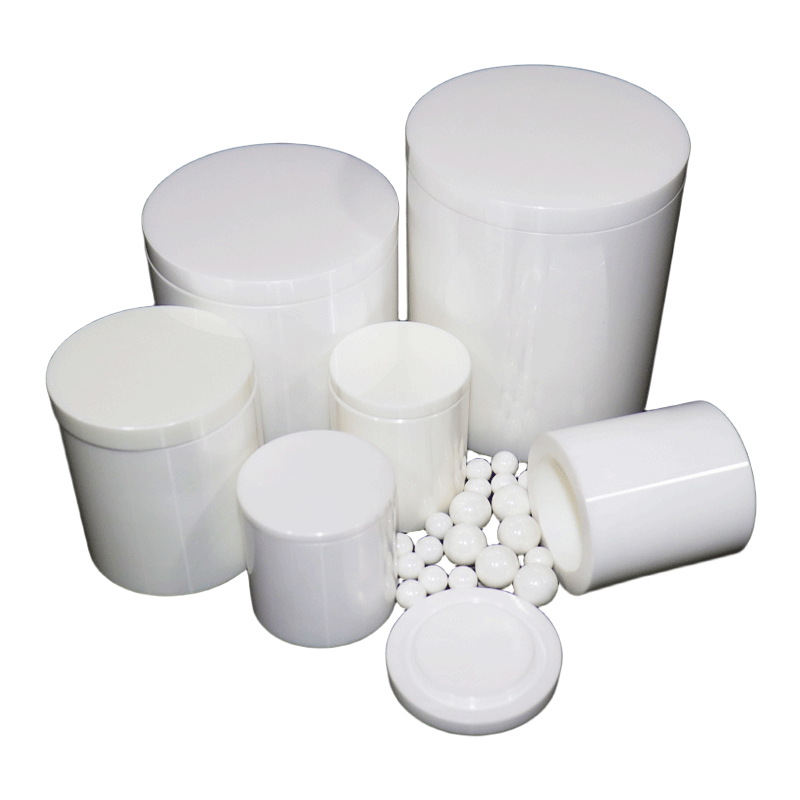
So sánh lọ Zirconia với các vật liệu khác
Để giúp bạn quyết định, dưới đây là so sánh nhanh các chất liệu bình thông dụng:
| Vật liệu | Mật độ (g/cm³) | Độ cứng (Mohs) | Chống mài mòn | Độ trơ hóa học | Ô nhiễm điển hình |
|---|---|---|---|---|---|
| zirconia | ~6.0 | 8.5 | Xuất sắc | Xuất sắc | không đáng kể |
| Nhôm (Corundum) | ~3.9 | 9 | Rất tốt | Xuất sắc | Al, O |
| mã não | ~2.6 | 7 | Tốt | Tốt | SiO₂ |
| thép không gỉ | ~7.8 | ~5 | Vừa phải | Trung bình (ăn mòn trong axit) | Fe, Cr, Ni |
| cacbua vonfram | ~14.9 | 9+ | Xuất sắc | Tốt | W, Co |
Như bạn có thể thấy, zirconia mang đến sự kết hợp độc đáo giữa mật độ cao, độ cứng cao và khả năng kháng hóa chất tuyệt vời mà không bị ô nhiễm kim loại nặng liên quan đến thép không gỉ hoặc cacbua vonfram. Đối với nhiều nhà nghiên cứu, đó là lựa chọn mặc định khi họ cần cả tính hiệu quả và độ tinh khiết.
Lời khuyên thiết thực khi sử dụng lọ nghiền hành tinh Zirconia
Để có được hiệu suất tốt nhất và tuổi thọ lâu nhất từ bình zirconia của bạn, hãy ghi nhớ những điểm này:
- Tỷ lệ bóng-bột: Điểm khởi đầu phổ biến là tỷ lệ 10:1 theo trọng lượng. Ví dụ: nếu bạn có 20 g bột, hãy sử dụng 200 g quả bóng zirconia. Điều chỉnh dựa trên độ cứng vật liệu và độ mịn mục tiêu.
- Mài ướt và mài khô: Bình Zirconia hoạt động tốt ở cả hai chế độ. Để mài ướt, hãy sử dụng dung môi không tấn công hóa học zirconia (ví dụ: ethanol, isopropanol hoặc nước). Đảm bảo nắp bình được đậy kín để tránh rò rỉ.
- Vệ sinh: Sau khi sử dụng, làm sạch bình bằng dung môi tương tự dùng để mài hoặc bằng chất tẩy rửa nhẹ. Tránh dùng bàn chải mài mòn có thể làm xước bề mặt. Zirconia cứng nhưng vết xước có thể đọng lại cặn.
- Điều tra: Định kỳ kiểm tra bề mặt bên trong xem có dấu hiệu mòn hoặc sứt mẻ không. Nếu bạn nhận thấy bất kỳ vết nứt nào, hãy thay bình ngay lập tức để tránh làm nhiễm bẩn các mẫu sau này.
Phần kết luận
Chọn cối nghiền phù hợp là một bước cơ bản để đạt được quy trình xử lý bột chất lượng cao, có thể tái sản xuất. Bình nghiền hành tinh zirconia mang đến sự cân bằng tuyệt vời giữa hiệu suất và độ tinh khiết cho nhiều loại vật liệu tiên tiến. Cho dù bạn đang phát triển vật liệu pin thế hệ tiếp theo, tổng hợp gốm sứ tốt hay chuẩn bị chất xúc tác có độ tinh khiết cao, vật liệu bình này có thể giúp bạn thu được kết quả nhất quán với mức độ nhiễm bẩn tối thiểu. Nếu bạn có yêu cầu cụ thể về vật liệu hoặc cần trợ giúp để chọn kích thước và cấu hình bình phù hợp, vui lòng tham khảo ý kiến đội ngũ kỹ thuật của chúng tôi tại TENCAN. Chúng tôi ở đây để hỗ trợ các mục tiêu nghiên cứu và sản xuất của bạn.