
What is a Laboratory Cone Ball Mill? A Compact Grinding Mill for Fine Ore Sample Preparation
Introduction
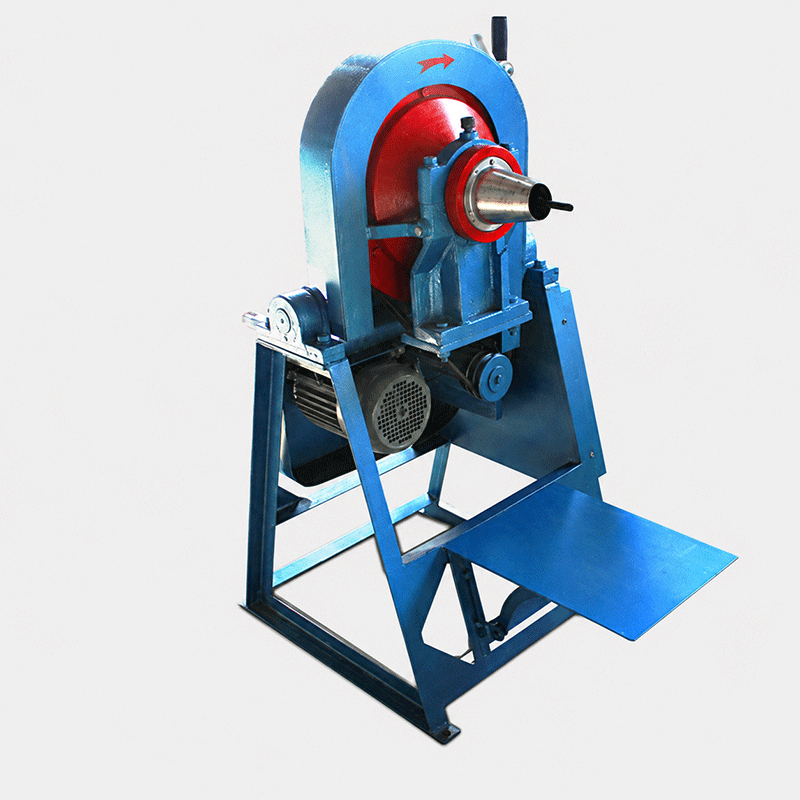
At its core, a Laboratory Cone Ball Mill is a specialized grinding device used in metallurgical, geological, chemical, and building materials laboratories to finely crush and grind solid ore samples into powders down to 0.074 mm. This compact bench-top mill combines a unique conical drum shape with rotating steel balls to efficiently reduce particle size for subsequent analysis, such as mineral dressing tests or flotation studies. Its small footprint, ease of operation, and ability to handle both dry and wet grinding make it an indispensable tool for research institutions and quality control labs.
Core Function and Working Principle
The Laboratory Cone Ball Mill transforms coarse feed material, typically with a particle size of less than 3 mm, into a fine powder with a final particle size of approximately 0.074 mm (200 mesh). The primary working mechanism involves a horizontally mounted, cone-shaped drum that rotates on its axis. Inside the drum, hardened steel balls of various diameters are pre-loaded as grinding media. When the drum rotates, the balls are lifted by the inner liner and then cascade down, impacting and shearing the feed material. The conical geometry plays a critical role: larger balls accumulate at the larger diameter end (feed end), delivering high-impact forces to break coarser particles, while smaller balls shift toward the conical discharge end, providing fine grinding through increased surface area. This natural size segregation enhances grinding efficiency and produces a narrower particle size distribution. Key operating parameters include drum rotation speed (typically 90–277 rpm depending on model), grinding time, and the ratio of balls to material. For wet grinding, water and reagents can be added directly into the drum, making it compatible with subsequent froth flotation processes.
Core Components and Key Technologies
The Laboratory Cone Ball Mill consists of several critical components. The cone-shaped drum is made of high-strength steel with a replaceable wear-resistant liner to extend service life. The grinding media are precision-sized steel balls (commonly 10–30 mm in diameter) that are pre-matched at the factory. The drive system includes a motor, a reduction gearbox, and a rotating shaft that transmits power to the drum. A safety lock mechanism ensures the drum stays in place during operation. The feed/discharge opening is sealed with a cap to prevent leakage. Some models also feature a variable frequency drive for adjustable speed control. The mill's compact design includes a sturdy base with vibration-dampening feet, allowing installation on any level surface without special foundation work. The inlet design enables quick feeding and easy cleaning. When discharging, the operator rotates the drum 90 degrees downward to pour the slurry or powder into a collection pan.
Model Specifications
| Model | Feed Capacity (g) | Feed Size (mm) | Discharge Size (mm) | Motor Power (kW) | Weight (kg) |
|---|---|---|---|---|---|
| XMQ Φ150×50 | 200 | <3 | 0.074 | 0.25 | 150 |
| XMQ Φ240×90 | 500-1000 | <3 | 0.074 | 0.55 | 170 |
| XMQ Φ350×160 | 4000 | <3 | 0.074 | 1.1 | 300 |
Key Performance Indicators and Selection Guide
When selecting a Laboratory Cone Ball Mill, consider the following metrics:
1. Feed capacity vs. batch size: Choose a model that matches your sample volume. XMQ150×50 handles up to 200 g, ideal for small-scale research; XMQ350×160 can process 4 kg per batch for larger sample requirements.
2. Grinding fineness: All models achieve a final size of 0.074 mm, suitable for most analytical methods. For finer or coarser requirements, adjust grinding time or use different ball sizes.
3. Motor power and speed: Higher power models (e.g., 1.1 kW) offer faster grinding for larger batches. The rotational speed is fixed by manufacturer to optimize ball cascading; some variants allow variable speed control.
4. Wear and maintenance: The liner and balls are consumables. Models with harder liners (e.g., manganese steel) last longer. The simple construction allows easy replacement of parts. Routine cleaning after each use prevents cross-contamination.
5. Noise and dust: The mill is designed with sealed bearings and a closed drum to minimize noise and prevent dust emission. It operates below 75 dB(A) under normal conditions.
Application Fields and Selection Advice
The Laboratory Cone Ball Mill is widely used in mineral processing laboratories, geology research institutes, mining companies, and universities for ore sample preparation, mineral liberation studies, and beneficiation testing. It is also suitable for grinding other materials like coal, ceramics, and chemicals in small batches. For users who need to run flotation tests, the wet grinding feature directly integrates with laboratory flotation machines such as the Laboratory Cone Ball Mill. For those requiring higher throughput or continuous operation, consider upgrading to a larger model or a Three Roll Mill for paste materials. If you work with very small samples (less than 100 g), the XMQ150×50 is the most economical choice. For typical laboratory workflows handling 0.5–1 kg samples, the XMQ240×90 offers the best balance. Always confirm the voltage (380V/50Hz) and ensure the mill is placed on a stable bench.