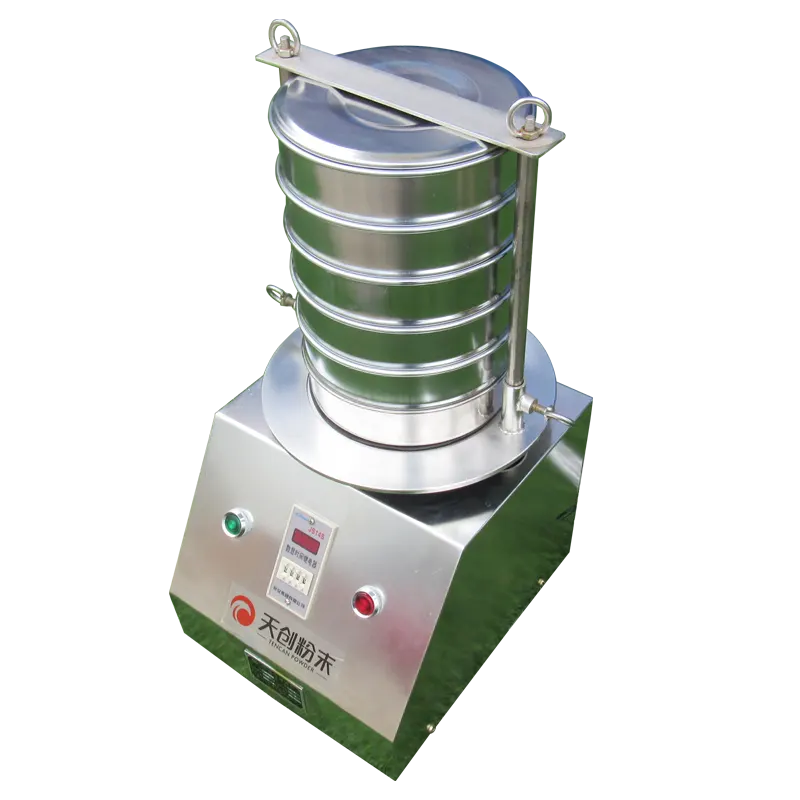
What is a Stainless Steel Vibrating Screen Machine? A Vibrating Screening Equipment for Precise Particle Size Classification
What is a Stainless Steel Vibrating Screen Machine?
At its core, a stainless steel vibrating screen machine is a specialized piece of equipment used for separating materials by particle size through vibratory motion. Industries such as food processing, pharmaceuticals, chemicals, and mining rely on it to efficiently sort powders, granules, and even liquids into different fractions, ensuring product quality and process consistency.
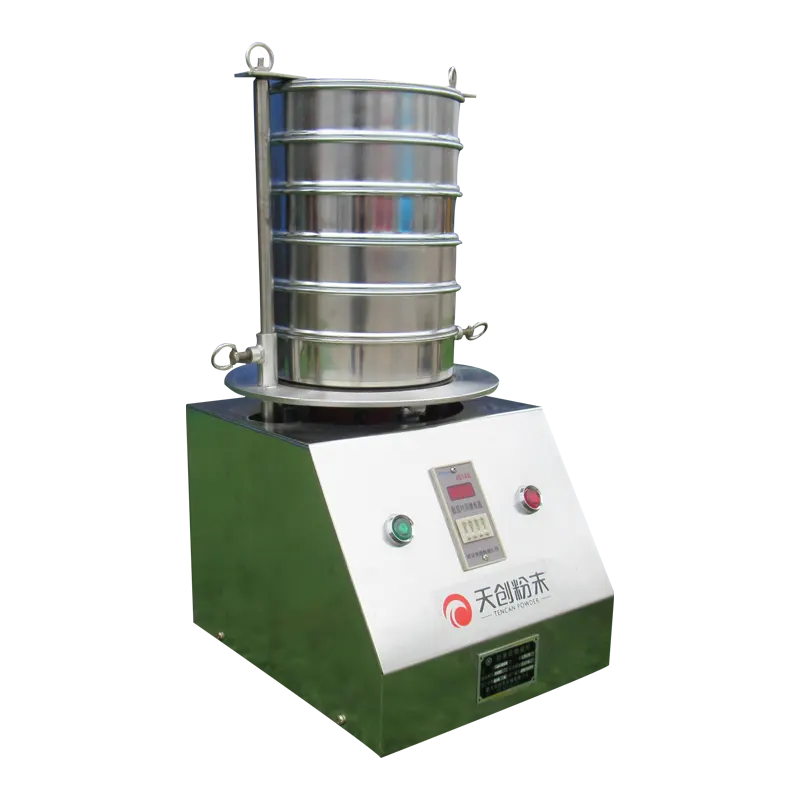
Core Function & Working Principle
The stainless steel vibrating screen transforms a mixture of particles from a bulk state into multiple size-graded streams. Its operation is based on a simple yet effective mechanism: a vibration motor (or multiple motors) generates high-frequency oscillations that are transmitted to the screen deck. The material fed onto the screen surface moves along the mesh under the influence of vibration, allowing particles smaller than the mesh openings to pass through (undersize), while larger particles are retained and discharged separately (oversize).
Key process parameters directly influence the screening outcome:
- Vibration frequency and amplitude: Higher frequencies suit fine powders, while larger amplitudes help convey coarse materials.
- Screen mesh size: Determines the cut point; typical ranges from 10 mesh to 400 mesh or finer.
- Inclination angle: Affects the material flow rate and residence time on the screen.
- Material moisture content: Wet or sticky materials may require specialized cleaning devices like bouncing balls or ultrasonic transducers to prevent blinding.
The all-stainless steel construction (304 or 316L) provides excellent corrosion resistance and easy sanitation, making it ideal for food-grade and pharmaceutical applications.
Main Types & Classification
Stainless steel vibrating screens are available in several configurations to suit different applications:
Circular Vibrating Screen (Rotary Vibrating Screen)
Uses a vertical vibration motor to create a three-dimensional motion. The material moves in a spiral path, providing high screening efficiency. Commonly used for fine powders (e.g., flour, starch, pharmaceutical powders).
Linear Vibrating Screen
Equipped with two horizontal vibration motors that produce a linear motion. Suitable for large-capacity, coarse screening of bulk materials like sand, gravel, or plastic granules.
Air-Flow Vibrating Screen
Combines vibration with an air current to improve the passage of ultra-fine powders through the mesh. Often used for materials prone to agglomeration or electrostatic charges.
Additionally, the 3D rotary vibrating screen is a popular variant that offers multi-layer separation in a compact footprint.
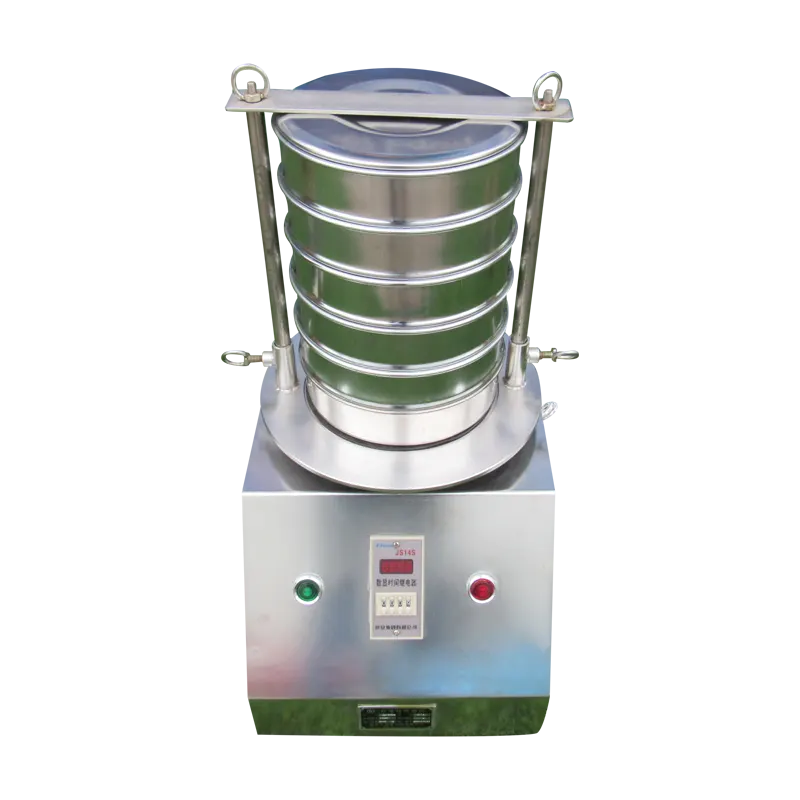
Key Performance Indicators & Selection Criteria
When selecting a stainless steel vibrating screen machine, consider the following essential metrics:
- Capacity (throughput): Typically measured in tons per hour or kilograms per hour. Larger screen areas and higher vibration intensities yield higher capacities.
- Screening accuracy: The ability to achieve a precise split between oversize and undersize. High-quality machines can achieve efficiencies above 95%.
- Mesh size range: Ensure the machine supports the required mesh openings (from coarse to ultrafine). Most models accommodate 1–500 mesh.
- Material of construction: Stainless steel 304 is standard for food/pharma; 316L offers superior corrosion resistance for aggressive chemicals.
- Sanitary design: Features like welded seams, no dead corners, and easy disassembly simplify cleaning and comply with FDA or GMP standards.
- Automation & controls: Some models include variable frequency drives (VFD) for adjusting vibration intensity, timers, and remote monitoring capabilities.
- Maintenance convenience: Quick-change screen frames, tool-less mesh replacement, and accessible motor mounts reduce downtime.
For laboratory-scale applications, the small laboratory screening machine offers a compact solution with similar principles.
Application Areas & Selection Advice
Stainless steel vibrating screens are widely used in:
- Food & beverage: Sieving flour, sugar, milk powder, spices, and tea leaves to ensure consistent particle size and remove contaminants.
- Pharmaceuticals: Classifying active pharmaceutical ingredients (APIs), excipients, and herbal powders for tablet compression or capsule filling.
- Chemicals: Separating catalysts, pigments, resins, and plastic pellets.
- Minerals & metallurgy: Grading ores, quartz sand, ceramic powders, and metal powders.
- Wastewater treatment: Removing solid debris from liquids.
Selection advice: For fine powder applications (e.g., below 100 mesh), a circular vibrating screen with ultrasonic cleaning is recommended. For high-capacity coarse screening (e.g., 10–50 mesh), a linear vibrating screen is more economical. Always verify the material's properties (moisture, density, abrasiveness) and the required throughput before finalizing the model.