
What is a Small Shredder? A Compact Crushing Solution for Laboratory and Small-Scale Size Reduction
What is a Small Shredder? A Compact Crushing Solution for Laboratory and Small-Scale Size Reduction
At its core, a small shredder is a compact and versatile crushing machine designed for laboratories, small workshops, and research institutions to reduce the size of various solid materials, such as plastics, wood, rubber, electronic components, and brittle minerals. It transforms larger pieces or scraps into smaller, manageable fragments, enabling subsequent processing, recycling, or analysis. This device is essential in sample preparation, waste reduction, and material recovery operations.
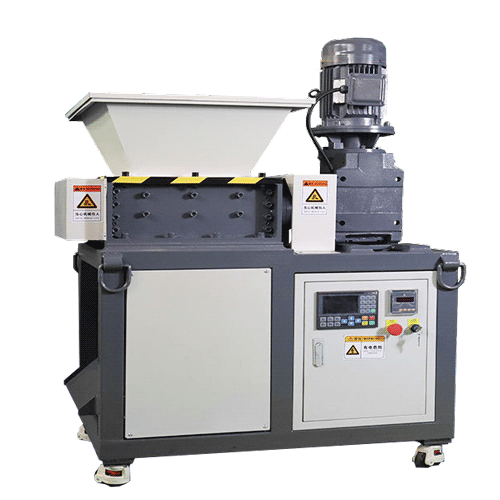
Core Function and Working Principle
The primary function of a small shredder is to reduce the size of materials from bulky, irregular shapes to uniform, small particles or strips. The machine typically employs a low-speed, high-torque motor driving a pair of rotating shafts or a single rotor equipped with sharp blades. As the material is fed into the hopper, it is gripped by the rotating blades, which cut, tear, and shear the material against stationary knives or counter-blades. The shredded fragments pass through a screen or discharge opening, ensuring a consistent output size.
Key parameters that influence the final product include the rotor speed, blade geometry, screen aperture size, and the number of blades. Lower speeds produce larger chunks, while higher speeds generate finer particles. The choice of blade material (e.g., 9CrSi, SKD-11, or D-2 tool steel) determines wear resistance and suitability for abrasive materials. The shredding chamber is often lined with durable steel to withstand impact and wear.
Main Types and Classification
Small shredders can be categorized based on their configuration and cutting mechanism:
Single-Shaft Shredders
These units feature a single rotor with blades that rotate against a fixed bed knife. They are ideal for processing softer materials like plastics, paper, and textiles. Simple design and easy maintenance make them popular in small-scale recycling.
Double-Shaft Shredders
Equipped with two counter-rotating shafts, each carrying interlocking blades, double-shaft shredders provide higher torque and are capable of handling tougher materials such as wood, rubber, and electronic waste. The double-shaft design ensures self-feeding and reduces the risk of jamming.
Multi-Shaft Shredders
For finer size reduction, some models incorporate three or four shafts, offering controlled particle size and higher throughput. These are used in specialized applications like document destruction or fine grinding of composites.
When selecting a type, consider the material's hardness, shape, and desired output size. Double-shaft shredders are more versatile for mixed waste, while single-shaft units excel in homogeneous material streams.
Key Performance Indicators and Selection Criteria
When choosing a small shredder, pay attention to the following metrics:
- Throughput Capacity: Typically expressed in kg/h or lb/h. Laboratory units range from 10 to 200 kg/h, while small industrial models can handle up to 500 kg/h.
- Particle Size Control: The screen or sieve determines the maximum fragment size. Choose a machine with interchangeable screens for flexibility.
- Power and Torque: Motor power (usually 0.75–5 kW) and torque rating affect the ability to process dense or tough materials. Higher torque at low speed is better for hard plastics and metals.
- Blade Material and Durability: Opt for hardened tool steel (e.g., SKD-11 or D-2) for abrasive materials, or standard 9CrSi for general use.
- Automation and Safety: Look for features like overload protection, emergency stop, and reverse function to prevent jams. Some models offer programmable PLC control.
- Maintenance and Cleanability: Easy access to the cutting chamber, quick-release blade fasteners, and smooth surfaces reduce downtime.
Consider the specific material properties: moisture content, friability, and contamination level. For example, materials with high moisture (e.g., food waste) may require a different blade design to prevent clogging.
Application Areas and Selection Advice
Small shredders are widely used in:
- Laboratories and Research: For sample preparation in materials science, chemistry, and environmental analysis.
- Recycling Centers: Size reduction of plastic bottles, cardboard, and electronic scrap for downstream processing.
- Pharmaceutical and Food Industries: Grinding herbal materials, spices, and dry ingredients.
- Manufacturing: Shredding defective parts, wood waste, and rubber scraps for reuse or disposal.
For basic laboratory needs, a single-shaft shredder with a moderate screen size is sufficient. For mixed or tough materials, invest in a double-shaft model with hardened blades. If automation is critical, choose a model with programmable controls and hopper sensors. Always verify the machine's compatibility with your specific material by requesting a test run or consulting the manufacturer.