
What is a Double Roll Crusher? A Reliable Crushing Machine for Medium and Fine Processing of Brittle Materials
What is a Double Roll Crusher? A Reliable Crushing Machine for Medium and Fine Processing of Brittle Materials
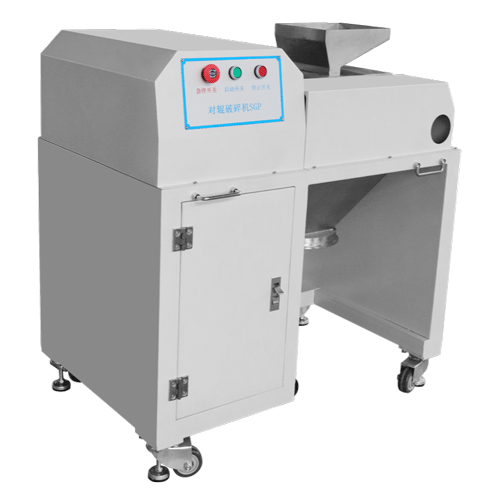
At its core, a double roll crusher is a specialized crushing equipment that uses two oppositely rotating cylindrical rollers to reduce the size of medium-hard and brittle materials. Industries such as mining, cement, chemical processing, and refractory materials use it for secondary and tertiary crushing tasks, transforming coarse feed into a more uniform, fine product for downstream processes.
Core Function and Working Principle
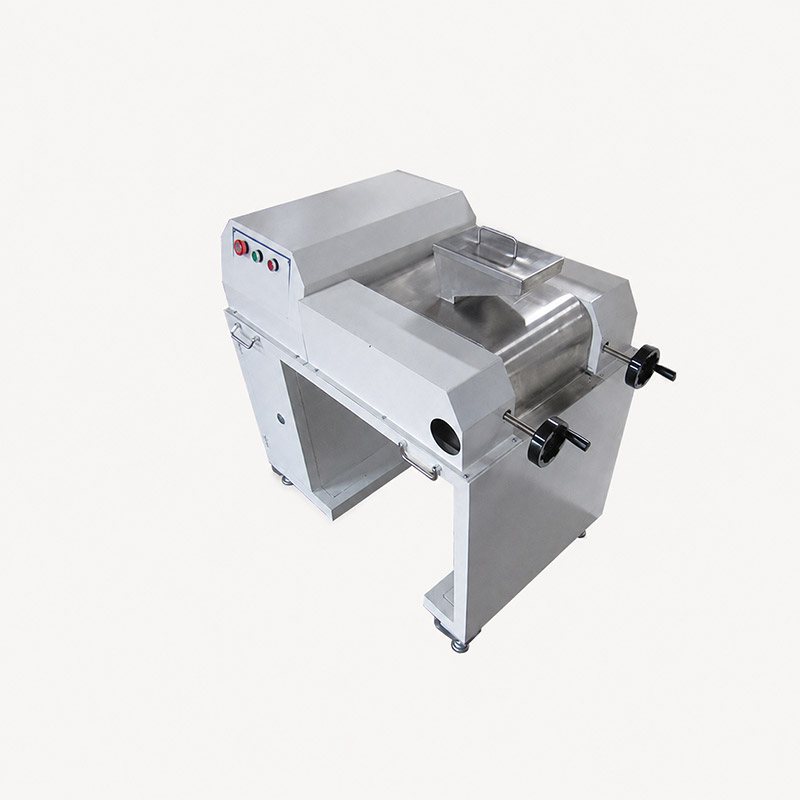
The double roll crusher converts large chunks of material (typically 20-100mm feed size) into a product with a controlled particle size distribution (usually 2-10mm). The fundamental mechanism relies on two rollers that rotate towards each other. Material enters the crushing cavity from above and is drawn into the gap (also called the nip zone) between the rollers. Here, three forces act simultaneously: compression, shear, and impact. The rollers squeeze the material, while the relative motion shears it, breaking it into smaller pieces that then fall out through the bottom opening.
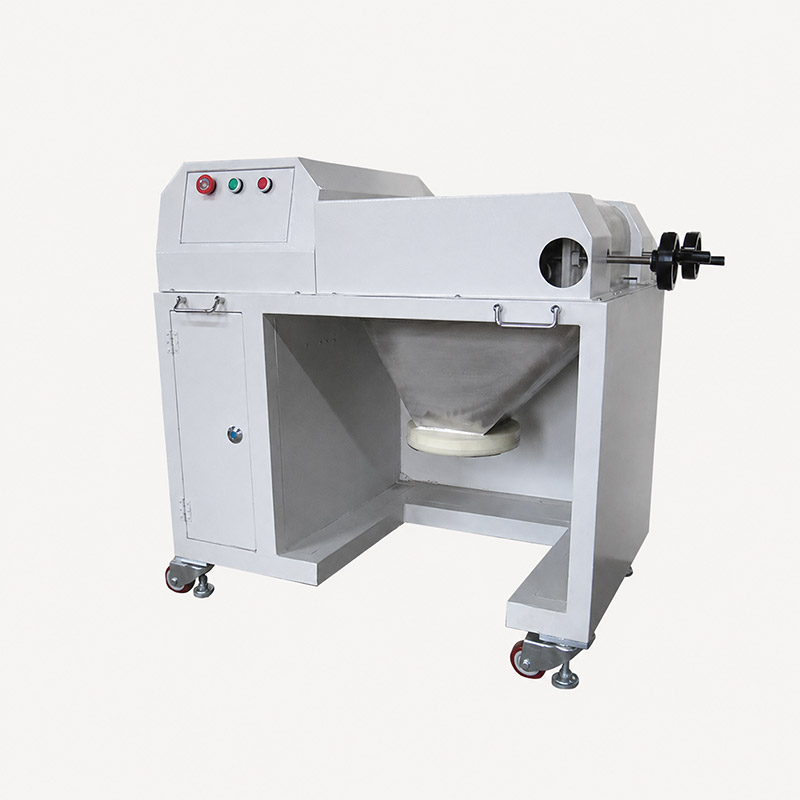
One of the key advantages of this design is its ability to produce a consistent product size. Unlike jaw or cone crushers, the distance between the two rollers remains fixed during operation, so the maximum product size is directly determined by that gap setting. This gap can be easily adjusted using mechanical shims or a wedge system. An overload protection mechanism, typically springs or hydraulic cylinders, allows one roller to move horizontally when an uncrushable object enters the chamber, preventing damage to the machine.
Main Types: Smooth Roll vs. Toothed Roll
Smooth Roll Crusher
The smooth roll crusher features rollers with a polished surface, making it ideal for hard, brittle materials such as limestone, clinker, quartz, and sandstone. The crushing action relies heavily on compression and shear. It produces a product with fewer fines and a more uniform shape, which is desirable in applications like cement clinker preparation or glass recycling.
Toothed Roll Crusher
Also known as a double-tooth roll crusher, this version has rollers equipped with teeth or ridges. It excels at handling sticky, moist, or softer materials such as coal, coke, clay, shale, and salt. The teeth increase the gripping action, enabling the crusher to handle larger feed sizes and generate a higher reduction ratio. However, the product shape may be less uniform, and there is a higher risk of over-crushing if the material is very friable. Toothed roll crushers are widely used in coal preparation plants and power stations.
Key Performance Indicators and Selection Criteria
When selecting a double roll crusher, several technical parameters should be considered:
- Capacity (t/h): The throughput depends on roller diameter, width, and rotational speed. Laboratory-scale units may handle 50-200 kg/h, while industrial models can exceed 100 t/h.
- Feed Size and Product Size: The maximum feed size is limited by the roller diameter (typically 1/10 to 1/20 of the roller diameter). The final product size is set by the gap width, and can be as fine as 2 mm.
- Power and Energy Efficiency: Motors are chosen based on material hardness and capacity. Double roll crushers are generally more energy-efficient than impact crushers for medium-hard materials due to lower wear and less fine generation.
- Roller Material and Wear Life: Rollers are often made of high-manganese steel or chrome alloy. The hardness of the material being crushed directly affects the wear rate. Some models offer replaceable roll shells for extended service life.
- Adjustability and Automation: Mechanical or hydraulic gap adjustment systems allow quick changes to product size. Advanced models can include PLC controls for automated gap monitoring and overload protection.
Application Areas and Selection Advice
Double roll crushers are used in a wide variety of industries:
- Mining and mineral processing: primary and secondary crushing of ores, coal, and aggregates.
- Cement industry: crushing of limestone, clay, gypsum, and clinker.
- Chemical and fertilizer: processing of salt, phosphate, and other briquetting materials.
- Recycling: breaking down glass, electronic scrap, and construction waste.
For laboratory or small-scale production (e.g., sample preparation for analysis), a compact double roll crusher with adjustable gap is recommended. For large industrial plants, a heavy-duty smooth roll crusher or toothed roll crusher should be chosen based on the material's hardness and moisture content. Always test the material under real conditions to confirm the correct roller type and gap setting.