
What is an Electric Lifting Stirred Ball Mill? A High-Efficiency Wet Grinding Equipment for Fine and Ultrafine Powder Processing
What is an Electric Lifting Stirred Ball Mill?
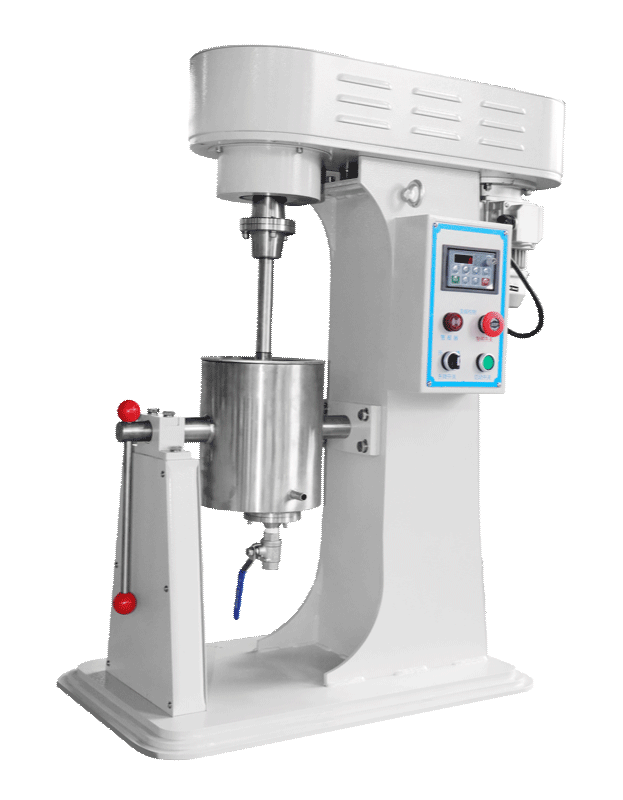
At its core, an electric lifting stirred ball mill is a specialized wet grinding device that uses a rotating agitator inside a stationary or removable grinding chamber to achieve fine and ultrafine particle size reduction. Industries such as ceramics, chemicals, pharmaceuticals, and advanced materials use it to process slurries and suspensions down to sub‑micron or even nanometer levels. The electric lifting mechanism allows the agitator assembly to be raised and lowered automatically, simplifying cleaning, jar replacement, and batch handling without manual effort.
Core Function and Working Principle
The primary function of an electric lifting stirred ball mill is to convert coarse particles or agglomerates in a liquid medium into a stable, homogeneous fine slurry. The mill operates on the stirred‑media principle: a vertical or horizontal grinding chamber is filled with small grinding beads (e.g., zirconia, glass, or steel), and a central agitator shaft with impellers rotates at high speed. The rapid motion of the impellers sets the beads in turbulent motion, creating intense shearing, impact, and attrition forces that break down the solid particles.
Key process parameters include agitator speed (typically 500‑3000 rpm), bead size (0.1‑3 mm), bead filling ratio (60‑85% of the chamber volume), solid concentration, and residence time. These variables directly influence the final particle size distribution, slurry viscosity, and energy efficiency. The electric lifting feature enables quick access to the grinding chamber for cleaning or media replacement, making it ideal for laboratories and small‑scale production that require frequent product changes.
Key Types and Technical Features
Electric Lifting Stirred Ball Mill vs. Other Stirred Ball Mills
The stirred ball mill family includes several variants designed for different scales and applications:
- Lab Stirred Ball Mill: Compact, manual lifting, suitable for R&D and small batches.
- Lightweight Stirred Ball Mill: Portable, low power, for soft materials.
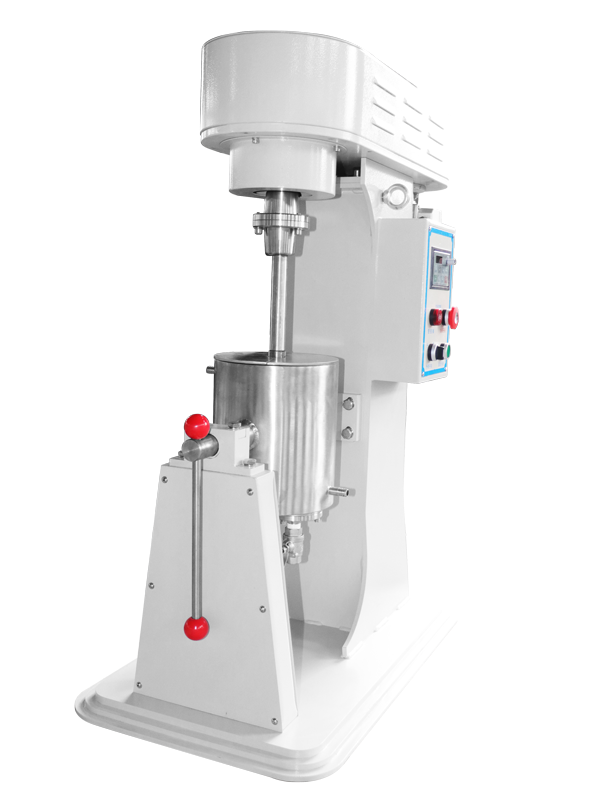
- Electric Lifting Stirred Ball Mill: Motorized lifting via a lead screw or hydraulic system, enabling effortless chamber exchange. This model bridges the gap between manual lab mills and heavy‑duty production mills by combining automation with batch flexibility.
- Production Type Stirred Ball Mill: Large capacity, continuous or circulating operation, often with PLC control.
The electric lifting stirred ball mill from TENCAN features a stainless steel or ceramic chamber, variable‑frequency drive for speed control, and a lifting mechanism that can hold jars up to 10 liters. Its design minimizes dead zones and ensures uniform grinding.
Critical Performance Indicators and Selection Criteria
When selecting an electric lifting stirred ball mill, consider the following metrics:
- Processing Capacity and Jar Volume: Typical jar sizes range from 0.5 L to 10 L. For lab use, 1‑5 L jars are common; for pilot scale, larger jars up to 20 L may be needed.
- Grinding Fineness: The mill can achieve D50 below 1 micron for many materials. The achievable particle size depends on bead material, size, and speed.
- Energy Efficiency: Stirred ball mills generally consume more power per unit volume than tumbling ball mills, but they offer higher grinding intensity and faster processing times.
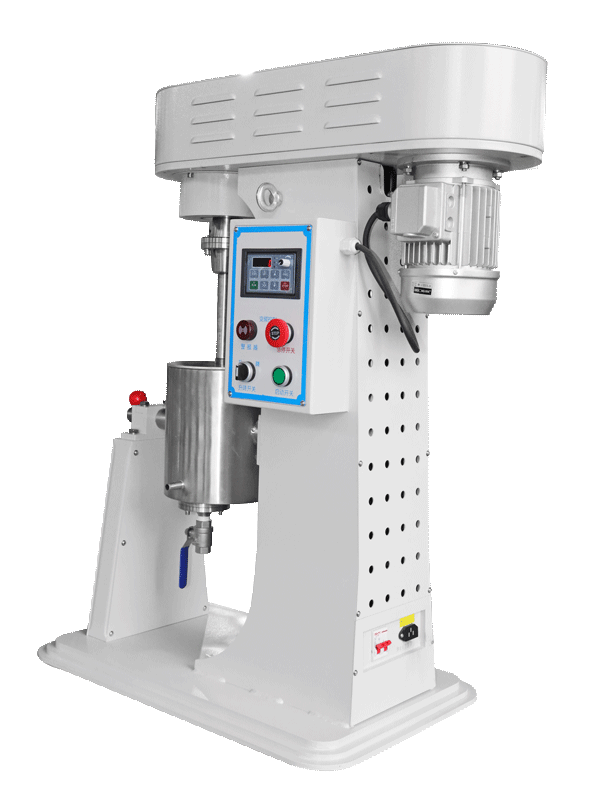
- Automation and Programmability: Electric lifting models often include digital timers, speed presets, and safety interlocks. Some advanced versions allow recipe storage for repeatable trials.
- Maintenance and Cleaning: Quick‑release clamping, easy‑to‑replace seals, and the electric lift simplify cleaning between batches—critical for industries with strict contamination control.
Application Areas and Selection Advice
The electric lifting stirred ball mill is widely used in:
- Ceramics & Advanced Materials: Preparation of glazes, ceramic slurries, and nano‑powders.
- Chemicals & Pigments: Dispersion of dyes, inks, and functional pigments.
- Pharmaceuticals: Wet grinding of active pharmaceutical ingredients (APIs) and excipients to enhance bioavailability.
- Batteries & Electronics: Slurry preparation for electrode materials (NMC, LFP, graphite).
For users who need frequent jar changes or multi‑product processing, the electric lifting model is the optimal choice. Laboratories with limited space may prefer the lab stirred ball mill, while those requiring higher throughput should evaluate the production type stirred ball mill. Always match the mill’s material of construction (stainless steel, ceramic, polyurethane) with your product’s chemical compatibility and abrasiveness.
References
For detailed specifications, please visit the product page: Electric lifting stirred ball mill.