
Vibrationsbrecher aus Edelstahl: Ein praktischer Leitfaden für die Pulvervorverarbeitung im Labor
Warum sollten Sie einen Vibrationsbrecher aus Edelstahl für Ihr Labor in Betracht ziehen?
Wenn Sie im Labor Massen- oder Grobmaterialien erhalten, ist der erste Schritt vor der Feinmahlung oder Analyse häufig die Größenreduzierung. Herkömmliche Methoden wie manuelles Zerkleinern oder der Einsatz eines Backenbrechers funktionieren gut für hartes Gestein, aber für weichere, faserige oder wärmeempfindliche Materialien benötigen Sie einen schonenderen und dennoch effizienteren Ansatz. A Vibrationsbrecher aus Edelstahl bietet eine praktische Lösung: Es nutzt hochfrequente Vibrationen, um Partikel durch Aufprall, Scherung und Reibung zu zersetzen, und das alles in einer sauberen, korrosionsbeständigen Kammer.
Dieser Brechertyp ist besonders beliebt in Labors für Lebensmittel, Pharmazie, Chemie und Materialwissenschaften, wo Hygiene, einfache Reinigung und minimale Kontamination von entscheidender Bedeutung sind. Die Edelstahlkonstruktion (normalerweise Güteklasse 304 oder 316) stellt sicher, dass die Ausrüstung strenge Hygienestandards erfüllt und Korrosion durch saure oder feuchte Proben widersteht.
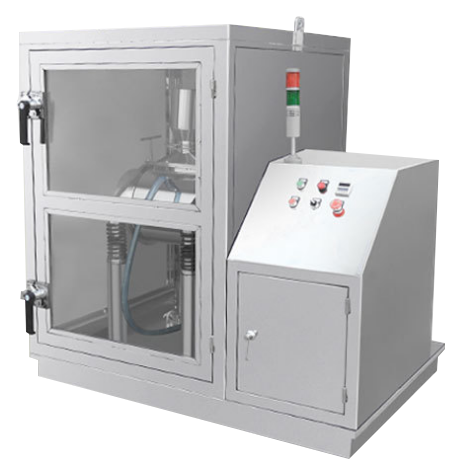
Wie funktioniert ein Vibrationsbrecher aus Edelstahl?
Das Grundprinzip ist einfach: Ein leistungsstarker Vibrationsmotor treibt eine Exzentermasse an, wodurch die gesamte Brechkammer mit hoher Frequenz (typischerweise 1000–3000 Schwingungen pro Minute, je nach Modell) vibriert. In der Kammer wird das Material ständig bewegt und kollidiert mit den Kammerwänden, Mahlkörpern (falls vorhanden) und anderen Partikeln. Durch diese wiederholte Schlag- und Scherwirkung wird die Partikelgröße schnell reduziert.
Im Gegensatz zu einem Backenbrecher oder Walzenbrecher, der auf mechanischer Kompression basiert, kann ein Vibrationsbrecher ein breiteres Spektrum an Materialkonsistenzen verarbeiten – von spröden Mineralien bis hin zu flexiblen Kräutern. Der Innenraum aus Edelstahl ist glatt und frei von Totzonen, was Materialansammlungen minimiert und die Reinigung zwischen den Chargen vereinfacht.
Viele Labor-Vibrationsbrecher verfügen außerdem über ein Sieb oder Sieb am Auslass, sodass Sie die endgültige Partikelgröße durch Auswahl verschiedener Maschenweiten steuern können. Die gängigen Maschenoptionen reichen von 20 Mesh (grob) bis 200 Mesh (fein), abhängig von Ihrer Anwendung.
Hauptanwendungen und geeignete Materialien
Lebensmittel- und pharmazeutische Inhaltsstoffe
Vibrationsbrecher aus Edelstahl werden häufig zum Mahlen von Gewürzen, Kräutern, Zucker, Salz, Getreide und Trockenfrüchten verwendet. Die Hygieneanforderungen in diesen Branchen sind hoch und die Edelstahlkonstruktion entspricht den GMP- und FDA-Richtlinien. Durch die Vibrationswirkung wird weniger Hitze erzeugt als bei Hochgeschwindigkeits-Hammermühlen, wodurch flüchtige Öle und Aromen in Gewürzen erhalten bleiben.
Chemie- und Materialwissenschaften
In Chemielaboren müssen Sie möglicherweise Pigmente, Harze, Katalysatoren oder Keramikvorläufer vorzerkleinern, bevor Sie sie in einer Planetenkugelmühle oder Strahlmühle fein mahlen. Ein Vibrationsbrecher kann Agglomerate reduzieren und ein gleichmäßigeres Futter erzeugen, wodurch die Effizienz nachgelagerter Prozesse verbessert wird. Das Edelstahlgehäuse widersteht chemischen Angriffen durch viele organische und anorganische Verbindungen.
Traditionelle chinesische Medizin und botanische Pulver
Für Wurzeln, Rinde, Blätter und andere Pflanzenmaterialien bietet ein Vibrationsbrecher ein Gleichgewicht zwischen Durchsatz und Partikelgrößenkontrolle. Die sanfte Vibration verhindert eine Überhitzung und einen Abbau der Wirkstoffe, während die Edelstahlkammer dafür sorgt, dass keine metallischen Verunreinigungen entstehen.
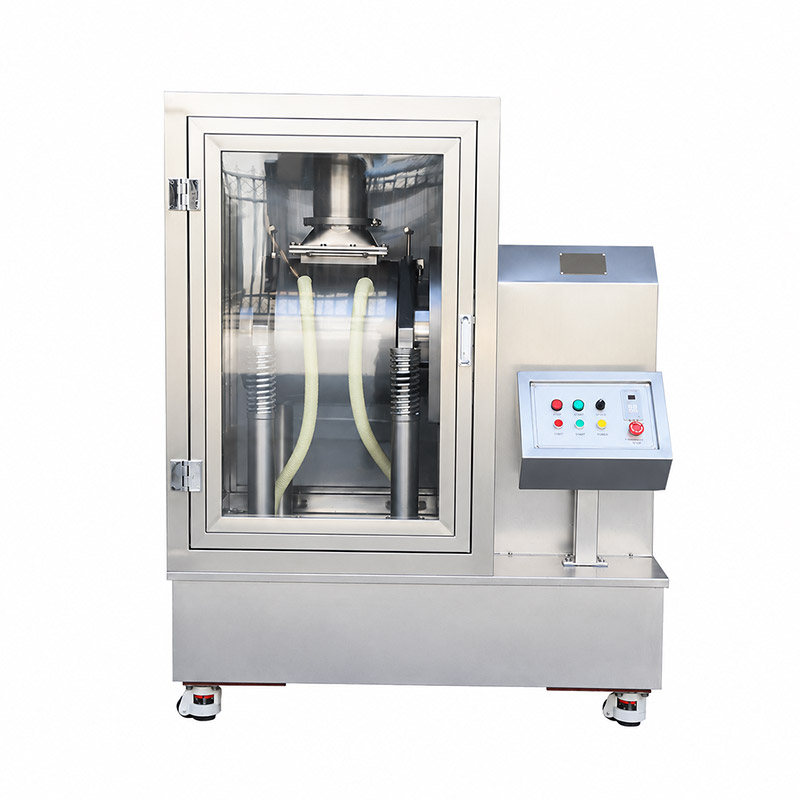
So wählen Sie den richtigen Vibrationsbrecher aus Edelstahl für Ihr Labor aus
Die Wahl des richtigen Modells hängt von mehreren Faktoren ab. Hier sind die wichtigsten Überlegungen:
1. Materialhärte und Feuchtigkeitsgehalt
Vibrationsbrecher sind am effektivsten bei Materialien mit mittlerer Härte (z. B. Mohs-Härte unter 5). Für sehr harte Materialien wie Quarz oder Granit ist möglicherweise ein Backenbrecher oder Walzenbrecher besser geeignet. Auch klebrige oder stark feuchte Materialien können das Sieb verstopfen; In solchen Fällen kann ein Vortrocknungsschritt oder eine andere Brecherkonstruktion erforderlich sein.
2. Gewünschter Durchsatz und endgültige Partikelgröße
Labormodelle verarbeiten typischerweise Chargen von 10 g bis zu mehreren Kilogramm pro Stunde. Die Einzugsgröße sollte im Allgemeinen weniger als 10–20 mm betragen, um ein Verklemmen zu vermeiden. Die endgültige Partikelgröße wird durch das Siebgewebe gesteuert; Die meisten Maschinen sind mit austauschbaren Sieben ausgestattet. Wenn Sie Pulver im Submillimeterbereich benötigen, reicht ein Vibrationsbrecher allein möglicherweise nicht aus – Sie benötigen möglicherweise eine anschließende Feinmühle.
3. Spannung und Frequenz
Laborgeräte werden häufig international eingesetzt. Bestätigen Sie die Anforderungen an Spannung (110 V oder 220 V) und Frequenz (50/60 Hz). Viele Anbieter bieten Dual-Voltage-Optionen an.
4. Reinigung und Wartung
Suchen Sie nach einem Design, das eine einfache Demontage der Brechkammer und des Siebes ermöglicht. Lebensmittel- und Pharmalabore erfordern eine gründliche Reinigung verschiedener Materialien. Eine glatte, polierte Edelstahloberfläche vereinfacht diesen Vorgang erheblich.
5. Geräusch- und Vibrationsisolierung
Vibrationsbrecher können laut sein (normalerweise 70–85 dB). Erwägen Sie, die Maschine auf einer vibrationsdämpfenden Unterlage oder in einem separaten Raum aufzustellen. Einige Modelle verfügen über Schallschutzgehäuse.
Für einen detaillierten Blick auf die Spezifikationen eines bestimmten Modells können Sie die besuchen Produktseite zum Vibrationsbrecher aus Edelstahl .
Praktische Tipps für Betrieb und Wartung
- Große Stücke vorzerkleinern: Wenn Ihr Material größer als 20 mm ist, zerkleinern Sie es zuerst manuell oder mit einem Backenbrecher, um eine Überlastung des Vibrationsbrechers zu vermeiden.
- Verwenden Sie den intermittierenden Betrieb: Bei hitzeempfindlichen Materialien lassen Sie die Maschine 1–2 Minuten lang laufen und lassen Sie sie dann 30 Sekunden lang abkühlen. Dies verhindert eine thermische Zersetzung der Probe.
- Überprüfen Sie den Bildschirm regelmäßig: Ein abgenutztes oder zerrissenes Sieb beeinträchtigt die Partikelgrößenverteilung. Ersetzen Sie es bei Bedarf.
- Schmieren Sie die Motorlager: Befolgen Sie die Empfehlungen des Herstellers für die Schmierintervalle, um die Lebensdauer des Motors zu verlängern.
- Halten Sie die Kammer sauber: Bürsten Sie nach jedem Gebrauch das restliche Pulver aus und wischen Sie den Innenraum bei Bedarf mit einem trockenen Tuch oder einem milden Reinigungsmittel ab. Vermeiden Sie die Verwendung von Wasser, es sei denn, die Maschine ist ausdrücklich für die Nassreinigung ausgelegt.
Letzte Gedanken
Der Vibrationsbrecher aus Edelstahl ist ein vielseitiges und hygienisches Werkzeug für die Pulvervorverarbeitung im Labor. Es schließt die Lücke zwischen manueller Größenreduzierung und Feinmahlung, spart Zeit und verbessert die Konsistenz. Unabhängig davon, ob Sie in einem Lebensmitteltestlabor, einem pharmazeutischen Forschungs- und Entwicklungszentrum oder einem Materialwissenschaftsinstitut arbeiten, können diese Geräte Ihren Arbeitsablauf bei der Probenvorbereitung optimieren.
Berücksichtigen Sie bei der Bewertung verschiedener Modelle immer die spezifischen Anforderungen Ihrer Materialien und Ihren Durchsatzbedarf. Wenn Sie Hilfe bei der Auswahl der richtigen Konfiguration benötigen, besprechen Sie Ihre Anwendung gerne mit einem technischen Spezialisten – dieser kann Ihnen den am besten geeigneten Brecher basierend auf Ihren Materialeigenschaften und Verarbeitungszielen empfehlen.