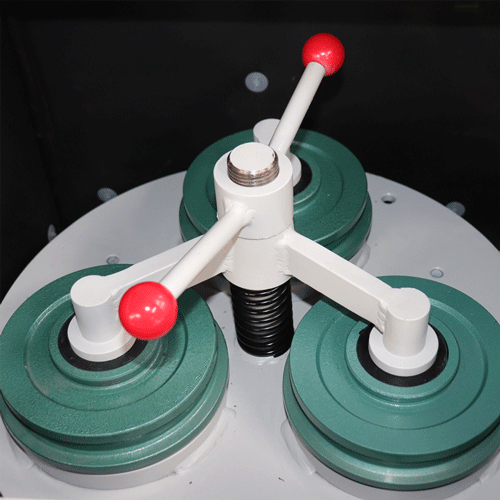
ما هي آلة طاحونة عينة المختبر؟ مطحنة كروية اهتزازية مدمجة للتحضير السريع للعينات في المختبرات
ما هي آلة طاحونة عينة المختبر؟ مطحنة كروية اهتزازية مدمجة للتحضير السريع للعينات في المختبرات
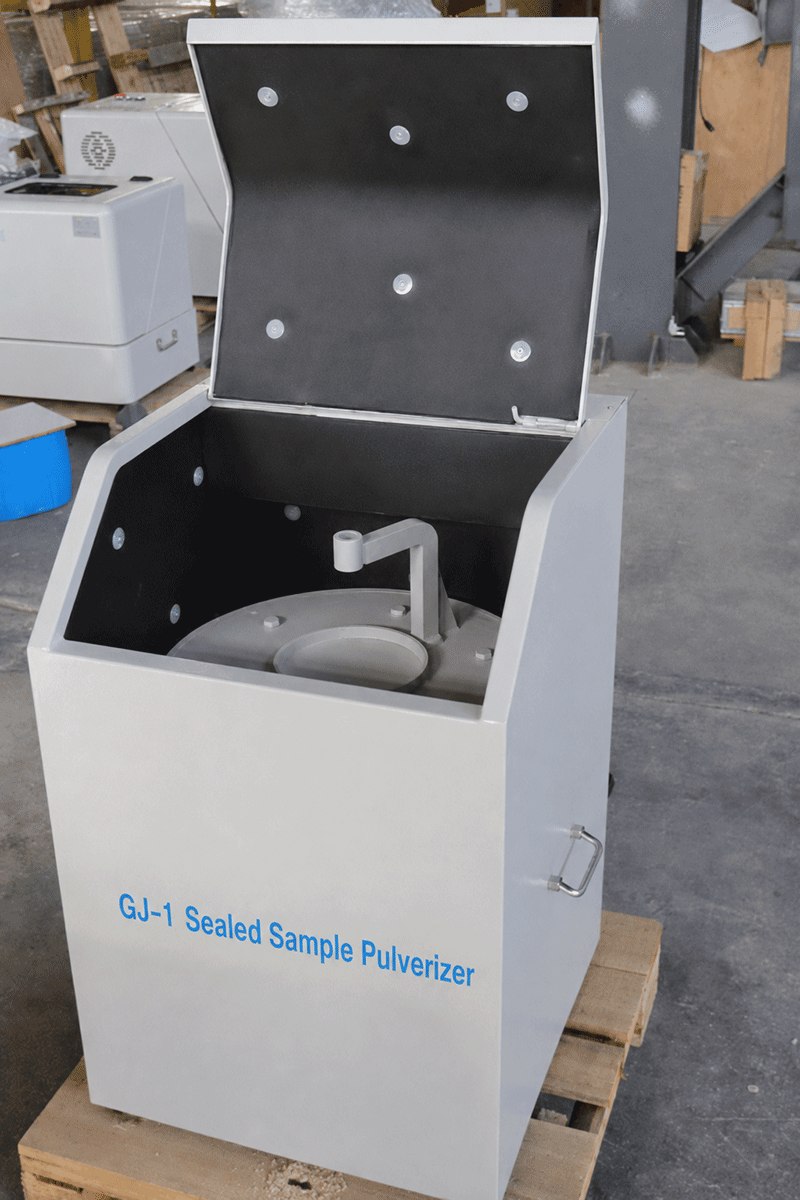
في جوهرها، تعد آلة مطحنة العينات المعملية عبارة عن مطحنة كروية اهتزازية متخصصة مصممة لطحن وخلط وتجانس كميات صغيرة من المواد الصلبة في مختبرات الأبحاث ومراقبة الجودة بسرعة وكفاءة. يتم استخدامه على نطاق واسع لمعالجة العينات من بضعة جرامات إلى عدة مئات من الجرامات، مما يقللها من الجزيئات الخشنة إلى المساحيق الدقيقة، وغالبًا ما يصل حجمها إلى ميكرومتر أو حتى مقياس نانومتر.
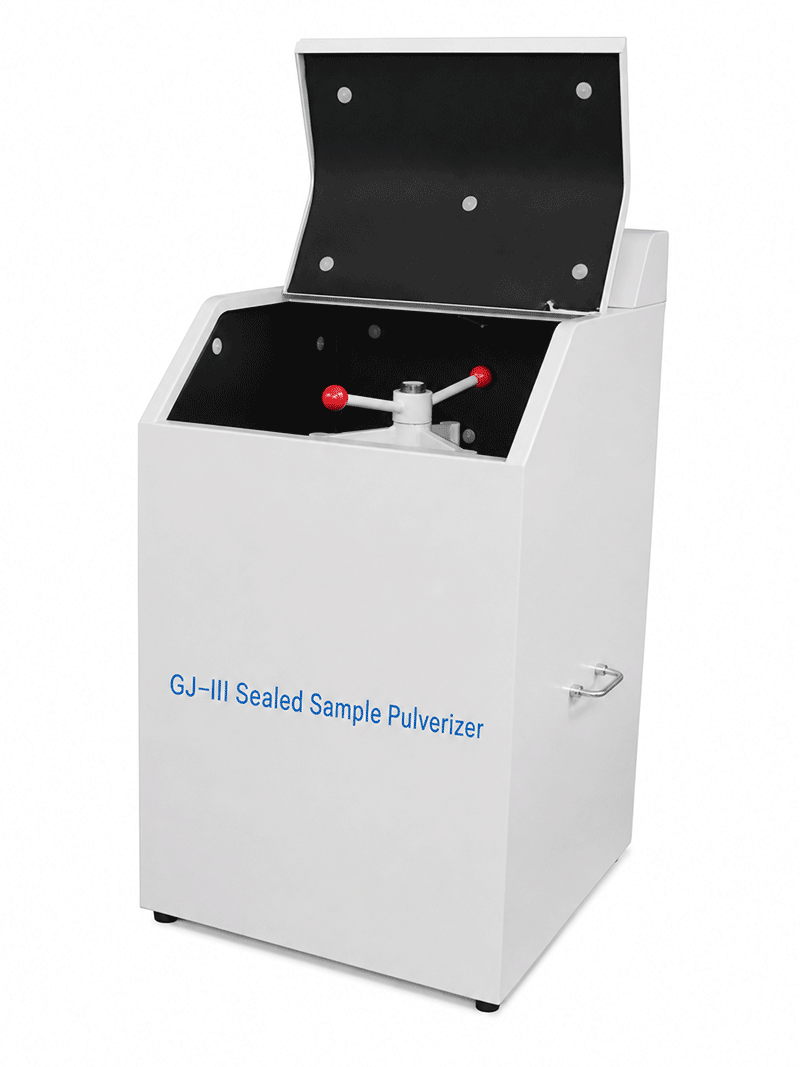
الوظيفة الأساسية ومبدأ العمل
تعمل آلة طحن عينات المختبر على مبدأ الاهتزاز عالي التردد. على عكس المطاحن الكروية التقليدية التي تعتمد على الدوران، تستخدم هذه الآلة آلية متأرجحة لتحريك وعاء الطحن ومحتوياته. يتم تثبيت الجرة على منصة اهتزازية تتحرك بنمط ثلاثي الأبعاد، مما يتسبب في اصطدام كرات الطحن الموجودة بداخلها بمادة العينة بشكل متكرر.
يولد هذا الاهتزاز قوى تأثير واحتكاك وقص قوية تعمل على تحطيم جزيئات العينة. يمكن التحكم في تردد وسعة الاهتزاز لتحسين كفاءة الطحن للمواد المختلفة. تشمل المعلمات النموذجية تردد اهتزاز يصل إلى 1200 دورة في الدقيقة وسعة قابلة للتعديل من 1 إلى 10 ملم. يمكن للآلة تحقيق حجم جسيم نهائي يصل إلى 0.1 ميكرومتر، مما يجعلها مناسبة لكل من التطبيقات الروتينية والمتطلبة.
تشمل المزايا الرئيسية لهذه الآلية القائمة على الاهتزاز وقت طحن أقصر (غالبًا 1-5 دقائق)، وتوزيع موحد لحجم الجسيمات، والقدرة على التعامل مع المواد الصلبة والهشة والليفية وحتى الناعمة. تعمل غرفة الطحن المغلقة أيضًا على تقليل الضوضاء والغبار، بما يتوافق مع معايير السلامة المعملية.
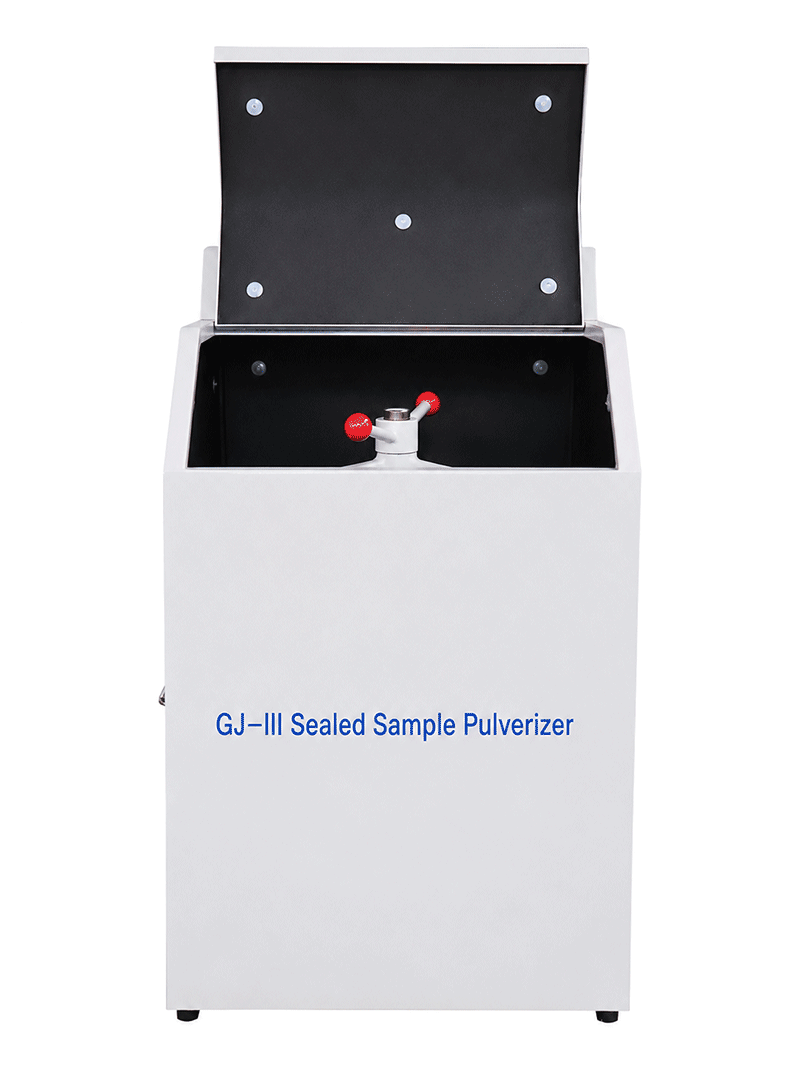
الأنواع الرئيسية والتكوينات
تتوفر آلات طحن العينات المعملية في عدة تكوينات لتناسب احتياجات المختبرات المختلفة:
نماذج الجرة الواحدة مقابل نماذج الجرار المتعددة
تعتبر نماذج الجرة المفردة مثالية لمعالجة عينة واحدة في كل مرة، مما يوفر البساطة والتكلفة المنخفضة. يمكن للنماذج متعددة الجرار أن تحتوي على 2 أو 4 أو حتى 8 جرات في وقت واحد، مما يسمح بالطحن المتوازي لعينات أو نسخ متماثلة مختلفة، مما يزيد الإنتاجية بشكل كبير.
قدرات الطحن الجاف والرطب
تدعم معظم الآلات الطحن الجاف والرطب. غالبًا ما يستخدم الطحن الرطب للمواد التي تميل إلى التكتل أو تتطلب التعليق في وسط سائل. توفر بعض الطرز أيضًا إمكانية الطحن المبرد عن طريق ربط حمام النيتروجين السائل، الذي يؤدي إلى تفتيت العينات الحساسة للحرارة لتسهيل عملية السحق.
مادة طحن الجرار والكرات
يعد اختيار مادة الجرة والكرة أمرًا بالغ الأهمية لتجنب التلوث. تشمل المواد الشائعة الفولاذ المقاوم للصدأ والزركونيا والعقيق وكربيد التنغستن والبولي يوريثين. تستوعب الماكينة عادةً الجرار من 50 مل إلى 500 مل، مع كرات طحن متطابقة بأقطار مختلفة.
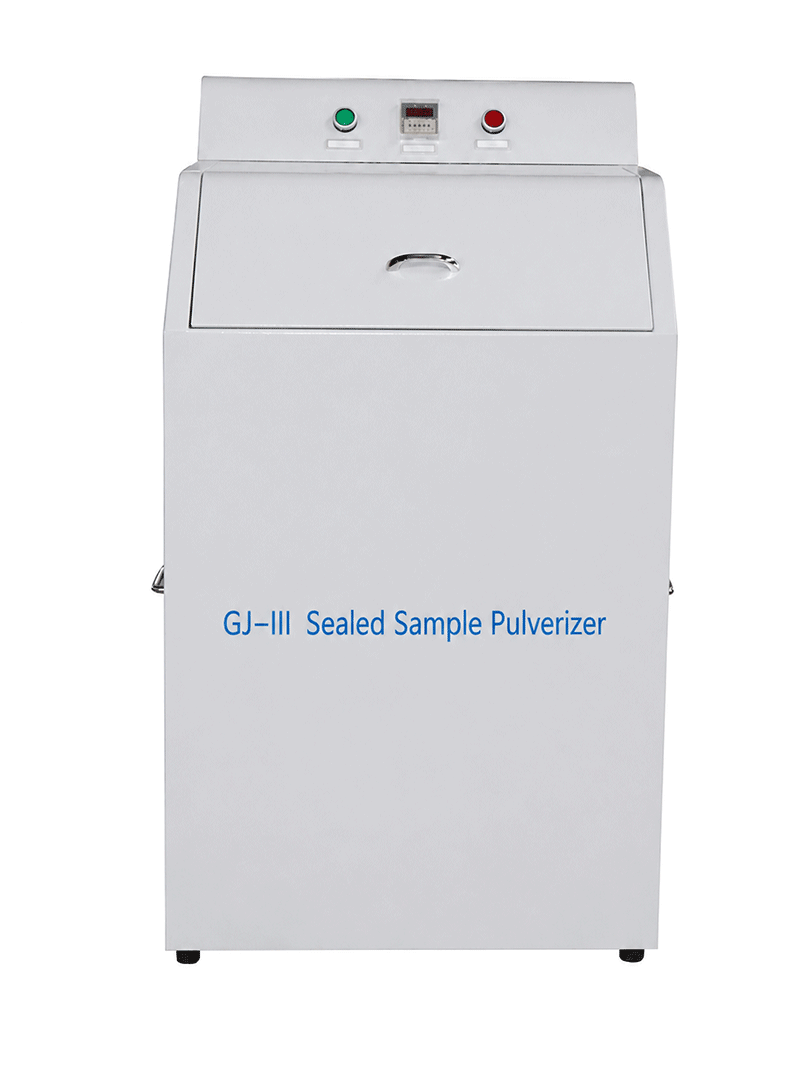
مؤشرات الأداء الرئيسية ومعايير الاختيار
عند اختيار آلة طحن عينات المختبر، ضع في اعتبارك مقاييس الأداء التالية:
قدرة الطحن والإنتاجية
تحديد الحد الأقصى لحجم العينة لكل دفعة. تتعامل الآلات النموذجية مع 50-200 مل لكل وعاء. بالنسبة للمختبرات عالية الإنتاجية، تعد النماذج متعددة الجرار ضرورية.
حجم الجسيمات النهائي
ابحث عن الحد الأدنى المحدد لحجم الجسيمات الذي يمكن تحقيقه. يمكن أن تصل معظم الموديلات إلى أقل من 10 ميكرومتر، وبعضها أقل من 1 ميكرومتر مع الإعدادات المناسبة ووقت الطحن الممتد.
تردد الاهتزاز والسعة
يسمح التردد القابل للتعديل (على سبيل المثال، 500-1200 دورة في الدقيقة) والسعة بتحسين المواد المختلفة. يزيد التردد والسعة الأعلى من كثافة الطحن ولكن قد يسبب ارتفاع درجة الحرارة.
مستوى الضوضاء
تتطلب بيئات المختبر عملية هادئة. يمكن للآلات الحديثة المزودة بتخميد الاهتزاز وعزل الصوت أن تعمل بأقل من 70 ديسيبل.
البرمجة والأتمتة
تتميز النماذج المتقدمة بمؤقتات رقمية ودورات قابلة للبرمجة وحتى واجهات تعمل باللمس لتخزين بروتوكولات متعددة. وهذا يحسن إمكانية تكرار نتائج وسهولة الاستخدام.
الصيانة والمتانة
تحقق من سهولة الوصول إلى الأجزاء القابلة للاستبدال مثل المشابك والينابيع والمحامل. الآلات ذات البناء القوي والمرفقات الحاصلة على تصنيف IP تتحمل التشغيل المستمر.
مجالات التطبيق ونصائح الاختيار
لا غنى عن آلة طحن العينات المعملية في العديد من المجالات:
- علم المواد: طحن السيراميك والمعادن والبوليمرات والمواد المركبة لتحليل XRD أو XRF أو SEM.
- الجيولوجيا والتعدين: تحضير عينات الصخور والمعادن والتربة لتحليل العناصر.
- الأدوية والأغذية: تجانس الأقراص والمواد النباتية والمنتجات الغذائية لمراقبة الجودة.
- الاختبارات البيئية: طحن عينات التربة والرواسب والنفايات لتحليل الملوثات.
- الكيمياء والبيولوجيا: خلط المساحيق وتكوين المعلقات وتكسير الأنسجة البيولوجية.
بالنسبة للمختبرات ذات أحجام العينات المعتدلة والمواد المتنوعة، يوفر نموذج الجرة الواحدة مع مواد الجرة القابلة للتبديل المرونة. بالنسبة للبيئات عالية الإنتاجية، يوصى باستخدام جهاز متعدد الجرار مع إعدادات قابلة للبرمجة. إذا كنت تتعامل بشكل متكرر مع عينات حساسة للحرارة، فكر في نموذج مزود بخيار التبريد المبرد.
للحصول على مواصفات أكثر تفصيلاً ولعرض المجموعة الكاملة من TENCAN'آلات طحن العينات المعملية، قم بزيارة صفحة المنتج أو استكشاف سلسلة مطحنة الكرة الاهتزازية.