
What is Lab Sample Grinder Machine? A Versatile Grinding Device for Efficient Laboratory Sample Preparation
Introduction
From the core, a lab sample grinder machine is a professional laboratory grinding equipment that researchers and analysts use to quickly and uniformly reduce solid materials — from biological tissues to hard minerals — into fine powders or homogeneous slurries. It serves as a critical tool for sample preparation before downstream analysis such as DNA/RNA extraction, chemical composition testing, and material characterization. Unlike traditional manual grinding, this machine achieves reproducible results in seconds while preserving sample integrity.
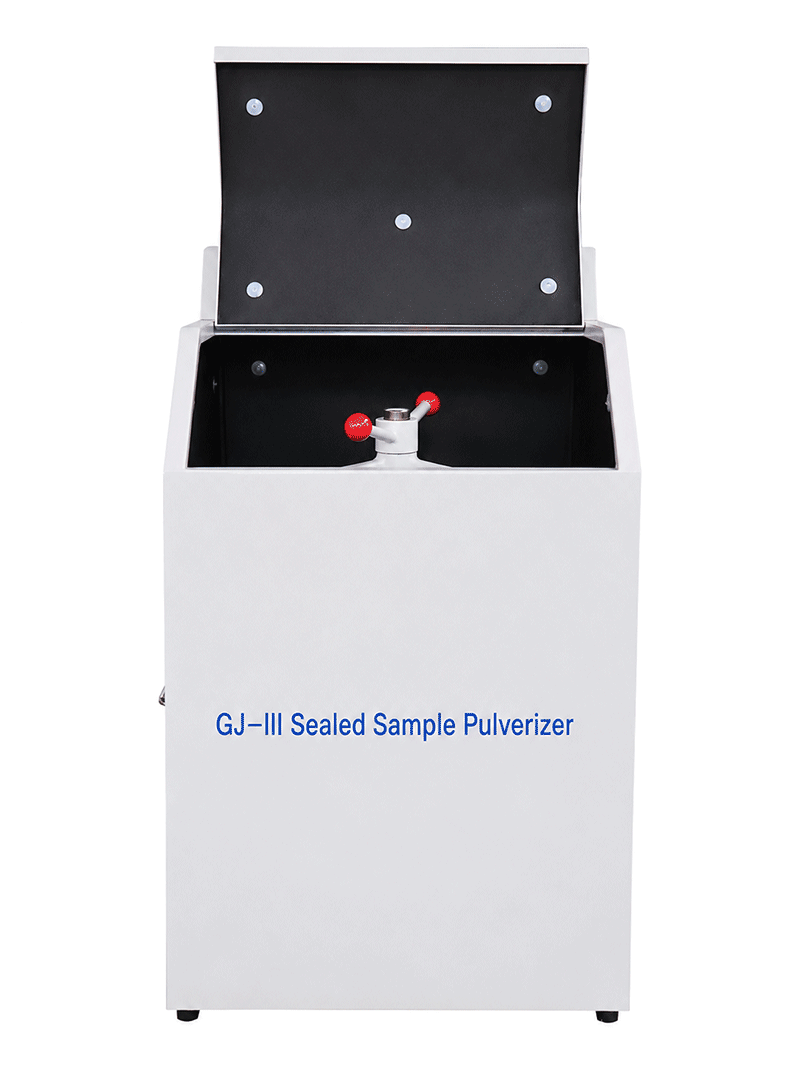
Core Function and Working Principle
The lab sample grinder machine transforms bulk or coarse materials into fine powders through a high-frequency vibration mechanism. The core working principle involves placing the sample along with grinding media (such as steel balls, ceramic balls, or agate beads) into a sealed grinding jar or tube. The jar is then subjected to rapid oscillation in three dimensions or along a horizontal arc, causing the grinding media to impact and shear the sample repeatedly. This process breaks down particles through a combination of collision, friction, and compression forces.
Typically, the machine operates at oscillation frequencies ranging from 600 to 4200 times per minute, with adjustable amplitude. The grinding time is very short — usually 30 seconds to 3 minutes — which minimizes heat buildup and prevents thermal degradation of heat-sensitive samples. For particularly tough materials, the machine can be programmed with alternating forward and reverse cycles, or even pause intervals to allow cooling. The final particle size can be controlled down to 0.1 micrometers, depending on the grinding media size, material hardness, and duration.
One of the key advantages of this design is its ability to handle multiple samples simultaneously. Many models can accommodate up to 96 samples (2 mL tubes) or 6-12 larger tubes (15-50 mL) in a single run, making it highly efficient for high-throughput labs. The sealed grinding environment also prevents cross-contamination and loss of volatile components.
Core Components and Key Technologies
A lab sample grinder machine consists of several essential components that work together to achieve efficient grinding:
- Vibration Drive System: Typically a high-power motor with an eccentric mechanism that generates the oscillatory motion. Some models use electromagnetic drives for precise frequency control.
- Grinding Jar or Tube Holder: Made of corrosion-resistant stainless steel, nylon, or PTFE, designed to securely hold sample tubes or jars. The holder can be adapted for different tube sizes (2 mL, 5 mL, 50 mL) or specialized grinding jars.
- Grinding Media: Balls made of stainless steel, zirconia, agate, or tungsten carbide, selected based on sample hardness and required purity. The size and number of balls influence the grinding efficiency and final particle size.
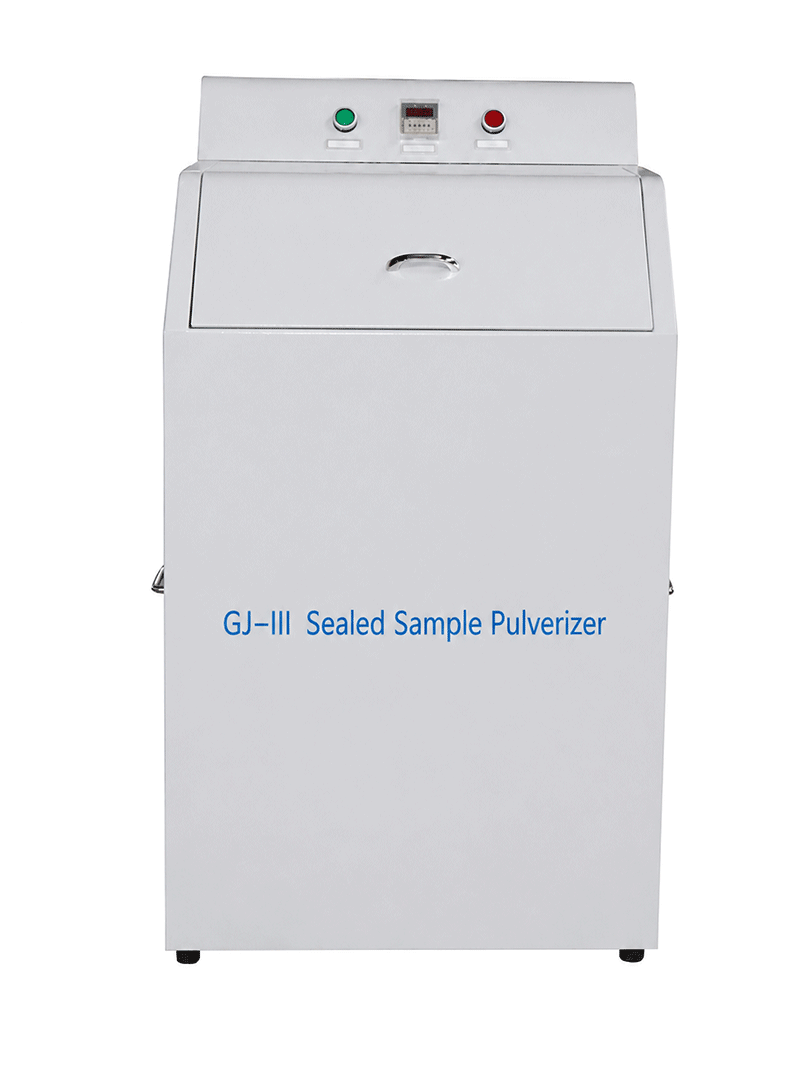
- Programmable Control Panel: A touchscreen or keypad interface that allows users to set time, frequency, pause, and cycle modes. Advanced models store multiple programs for routine operations.
- Cooling System (Optional): For temperature-sensitive samples, some machines are equipped with a built-in refrigeration unit or liquid nitrogen injection to maintain low temperatures during grinding.
Key Performance Indicators and Selection Criteria
When selecting a lab sample grinder machine, consider the following factors:
- Processing Capacity and Throughput: The number of samples that can be processed per batch. Small benchtop models handle 2-24 samples, while high-throughput models can process 96 samples simultaneously.
- Particle Size Range and Control: The achievable fineness, typically from 0.1 mm down to sub-micron levels. The ability to adjust parameters to achieve consistent particle size distribution is critical for reproducibility.
- Speed and Frequency: Higher oscillation frequencies (up to 70 Hz or 4200 rpm) provide faster grinding, but may generate more heat. Choose a model with adjustable frequency to match sample characteristics.
- Automation and Programmability: Look for machines with programmable timers, cycle modes (forward, reverse, pause), and memory storage for multiple protocols. This reduces operator error and increases efficiency.
- Material Compatibility: Ensure the grinding jar and media are chemically inert to the sample. For example, agate balls are suitable for silica analysis, while zirconia is preferred for high-purity ceramic grinding.
- Maintenance and Durability: Machines with sealed bearings and easy-to-clean surfaces reduce downtime. Check for corrosion-resistant construction, especially if working with acids or solvents.
- Noise and Vibration Isolation: Lab environments often require quiet operation. Some models incorporate vibration-dampening mounts to reduce noise and prevent tabletop movement.
Application Areas and Selection Advice
Lab sample grinder machines are widely used in:
- Biological and Biomedical Research: For homogenizing plant leaves, animal tissues, bacteria, yeast, and fungi to extract nucleic acids, proteins, or metabolites.
- Pharmaceutical and Food Testing: Grinding tablets, herbs, seeds, grains, and food products for composition analysis, pesticide residue testing, or quality control.
- Material Science and Geology: Pulverizing ores, minerals, ceramics, plastics, and polymers for particle size analysis, XRF, or XRD sample preparation.
- Environmental Analysis: Processing soil, sediment, sludge, and coal samples for heavy metal or organic pollutant analysis.
For users with high-throughput needs (e.g., genotyping labs), choose a model with a 96-well plate adapter and fast cycling. For research labs working with hard or brittle materials, a heavy-duty model with a robust motor and tungsten carbide grinding jars is recommended. If sample temperature sensitivity is a concern, opt for a refrigerated or liquid nitrogen-cooled version. For general-purpose use, a mid-range vibration ball mill with adjustable frequency and multiple tube capacities offers the best balance of cost and performance.