
Máy nghiền bi hình nón trong phòng thí nghiệm là gì? Máy nghiền mịn trong nghiên cứu và phát triển trong phòng thí nghiệm
Máy nghiền bi hình nón trong phòng thí nghiệm là gì?
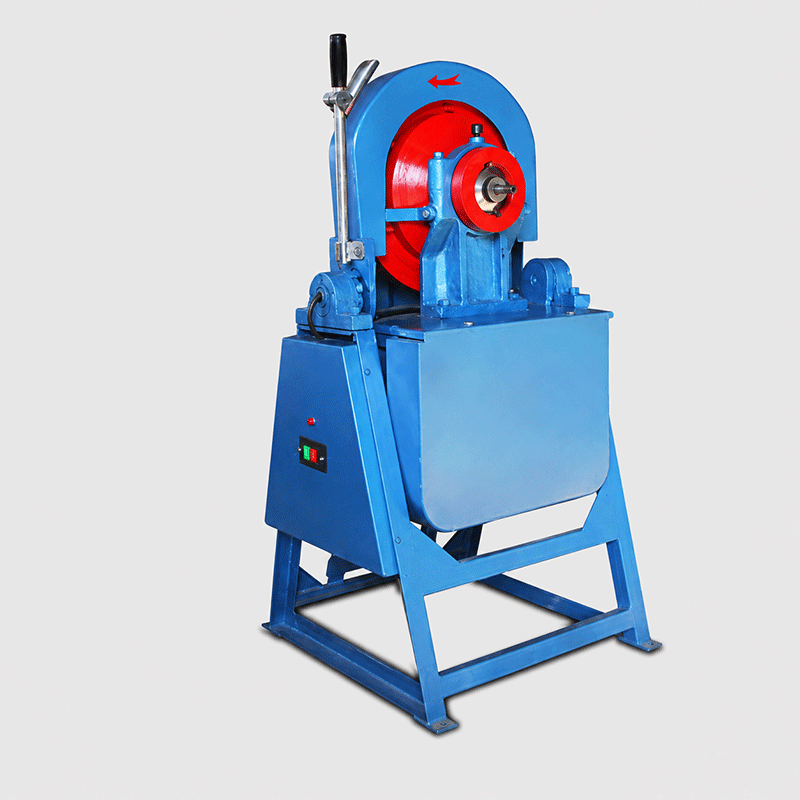
Về cốt lõi, Máy nghiền bi hình nón trong phòng thí nghiệm là một thiết bị nghiền chuyên dụng được thiết kế để giảm kích thước hạt của vật liệu trong nghiên cứu trong phòng thí nghiệm quy mô nhỏ. Đây là một loại máy nghiền bi có buồng nghiền hình nón, cho phép nghiền hiệu quả và đồng đều các loại quặng, khoáng chất, gốm sứ, hóa chất và các mẫu rắn khác. Các nhà nghiên cứu và kỹ sư sử dụng nó để chuẩn bị bột mịn nhằm xác định đặc tính vật liệu, phát triển quy trình và kiểm soát chất lượng.
Chức năng cốt lõi và nguyên tắc làm việc
Chức năng chính của Máy nghiền bi hình nón trong phòng thí nghiệm là biến nguyên liệu thức ăn thô thành bột mịn thông qua tác động cơ học và tiêu hao. Máy nghiền bao gồm một vỏ hình trụ quay được lấp đầy một phần bằng vật liệu nghiền—thường là bi thép hoặc bi gốm. Khi vỏ quay, vật liệu nghiền được nâng lên và rơi xuống, nghiền nát và cọ xát các hạt vật liệu với nhau và lớp lót bên trong.
Hình dạng hình nón của buồng mang lại một lợi thế độc đáo: đường kính lớn hơn ở đầu cấp liệu cho phép vật liệu thô chịu tác động năng lượng cao, trong khi đường kính nhỏ hơn ở đầu xả cung cấp môi trường nghiền mịn, được kiểm soát tốt hơn. Thiết kế này thúc đẩy việc giảm dần kích thước và giúp đạt được sự phân bố kích thước hạt hẹp hơn so với máy nghiền bi hình trụ thông thường. Tốc độ quay thường được đặt trong khoảng từ 65% đến 75% tốc độ tới hạn—tốc độ mà vật liệu nghiền ly tâm—để đảm bảo hiệu quả nghiền tối ưu.
Các thông số chính ảnh hưởng đến độ mịn của sản phẩm cuối cùng bao gồm tốc độ quay, kích thước và mật độ của vật liệu nghiền, tỷ lệ vật liệu trên vật liệu và thời gian nghiền. Hầu hết các máy nghiền bi hình nón trong phòng thí nghiệm đều cho phép điều chỉnh tốc độ và lập trình hẹn giờ, giúp các nhà nghiên cứu kiểm soát chính xác quá trình nghiền.
Các thành phần chính và công nghệ quan trọng
Mặc dù Máy nghiền bi trong phòng thí nghiệm là một cỗ máy tương đối đơn giản nhưng hiệu suất của nó phụ thuộc vào một số bộ phận được thiết kế tốt:
- Buồng mài hình nón: Được làm bằng thép chống mài mòn hoặc vật liệu lót gốm, buồng được thiết kế để chịu được lực tác động cao và giảm thiểu ô nhiễm. Bề mặt bên trong có thể có gân hoặc nhẵn tùy theo ứng dụng.
- Hệ thống truyền động: Một động cơ có tốc độ thay đổi và hộp số truyền năng lượng tới vỏ máy nghiền. Các mẫu tiên tiến sử dụng bộ biến tần để kiểm soát tốc độ mượt mà và tiết kiệm năng lượng.
- Cơ chế cho ăn và xả: Đầu vào cấp liệu thường nằm ở đầu lớn hơn của hình nón và đầu ra xả ở đầu nhỏ hơn. Có thể sử dụng lưới hoặc sàng để kiểm soát kích thước hạt tối đa trong quá trình xả.
- phương tiện mài: Các lựa chọn phổ biến bao gồm bi thép cacbon cao, bi thép không gỉ, bi gốm (zirconia, alumina) hoặc bi mã não. Việc lựa chọn phương tiện ảnh hưởng đến mức độ ô nhiễm và hiệu quả nghiền.
- Bảng điều khiển: Các nhà máy trong phòng thí nghiệm hiện đại có màn hình kỹ thuật số và bộ điều khiển logic lập trình (PLC) cho phép cài đặt tốc độ quay, thời gian và thậm chí cả chu kỳ tiến/nghịch để mài mòn đồng đều.
Các chỉ số hiệu suất chính và tiêu chí lựa chọn
Khi chọn Máy nghiền bi hình nón trong phòng thí nghiệm, người dùng nên đánh giá các số liệu sau:
- Năng lực xử lý: Thường được đo bằng kilôgam mỗi mẻ hoặc lít mỗi giờ. Các đơn vị phòng thí nghiệm thường xử lý cỡ mẫu từ 0,5 đến 10 kg mỗi mẻ, tùy thuộc vào thể tích buồng.
- Kích thước hạt cuối cùng: Độ mịn đạt được có thể thấp tới 20–75 micron hoặc thậm chí dưới micron khi phay mở rộng. Thiết kế hình nón giúp đạt được sự phân bố kích thước hạt đồng đều hơn.
- Hiệu quả năng lượng: Động cơ nhỏ hơn (thường là 0,5–3 kW) tiêu thụ ít điện năng hơn, nhưng hiệu suất nghiền thực tế phụ thuộc vào đặc tính vật liệu và tải vật liệu.
- Tự động hóa và lập trình: Hãy tìm những máy nghiền có bộ hẹn giờ kỹ thuật số, điều khiển tốc độ thay đổi và chức năng dừng tự động. Một số mô hình cung cấp khả năng giám sát từ xa.
- Bảo trì và làm sạch: Buồng hình nón phải dễ tháo rời và làm sạch để tránh lây nhiễm chéo giữa các mẫu. Vòng bi kín và vòng đệm kín bụi giúp kéo dài tuổi thọ.
Lĩnh vực ứng dụng và tư vấn lựa chọn
Máy nghiền bi trong phòng thí nghiệm là công cụ không thể thiếu trong địa chất, chế biến khoáng sản, luyện kim, gốm sứ, sơn, bột màu, hóa chất và nghiên cứu dược phẩm. Chúng được sử dụng để chuẩn bị mẫu trước khi nhiễu xạ tia X (XRD), quang phổ hoặc phân tích hóa học, cũng như để sản xuất quy mô nhỏ các vật liệu tiên tiến như vật liệu nano và gốm mịn.
Đối với các phòng thí nghiệm yêu cầu mài có độ tinh khiết cao mà không bị nhiễm bẩn kim loại, hãy chọn máy nghiền có lớp lót bằng gốm (nhôm hoặc zirconia) và vật liệu nghiền phù hợp. Để nghiền quặng có mục đích chung, máy nghiền lót thép với bi thép sẽ tiết kiệm chi phí. Nếu bạn cần xử lý nhiều mẫu song song, hãy xem xét các mẫu có buồng nghiền có thể hoán đổi cho nhau hoặc thiết kế hình nón kép. Luôn xác minh kích thước cấp liệu tối đa và thông lượng mong muốn để phù hợp với thông số kỹ thuật của nhà máy.
Để biết thêm thông số kỹ thuật chi tiết và các tùy chọn tùy chỉnh, hãy truy cập Trang sản phẩm Máy nghiền bi phòng thí nghiệm . Các thiết bị nghiền trong phòng thí nghiệm có liên quan khác, chẳng hạn như Nhà máy ba cuộn Và Máy mài cát phòng thí nghiệm , cũng có sẵn từ TENCAN nhằm đáp ứng nhu cầu nghiên cứu đa dạng.
Tài liệu tham khảo
- TENCAN Trang sản phẩm máy nghiền bi phòng thí nghiệm: https://www.labballmill.com/vi/products/grinding-series/other-grinding-equipment/laboratory-cone-ball-mill.html
- TENCAN Cơ sở kiến thức về máy nghiền bi: https://www.labballmill.com/vi/